
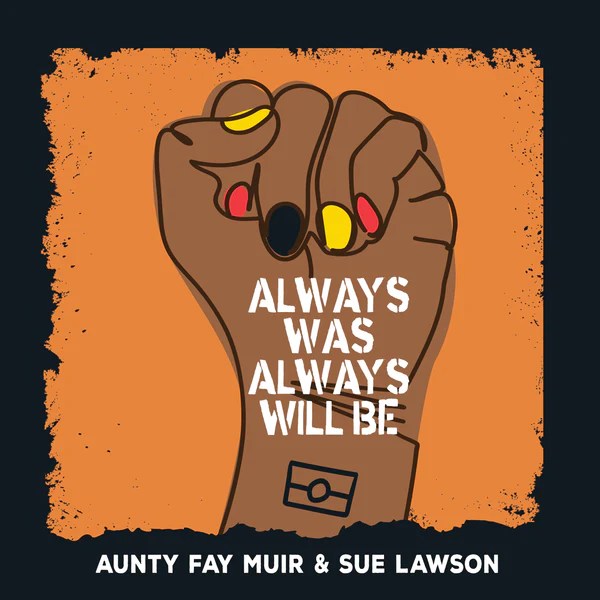
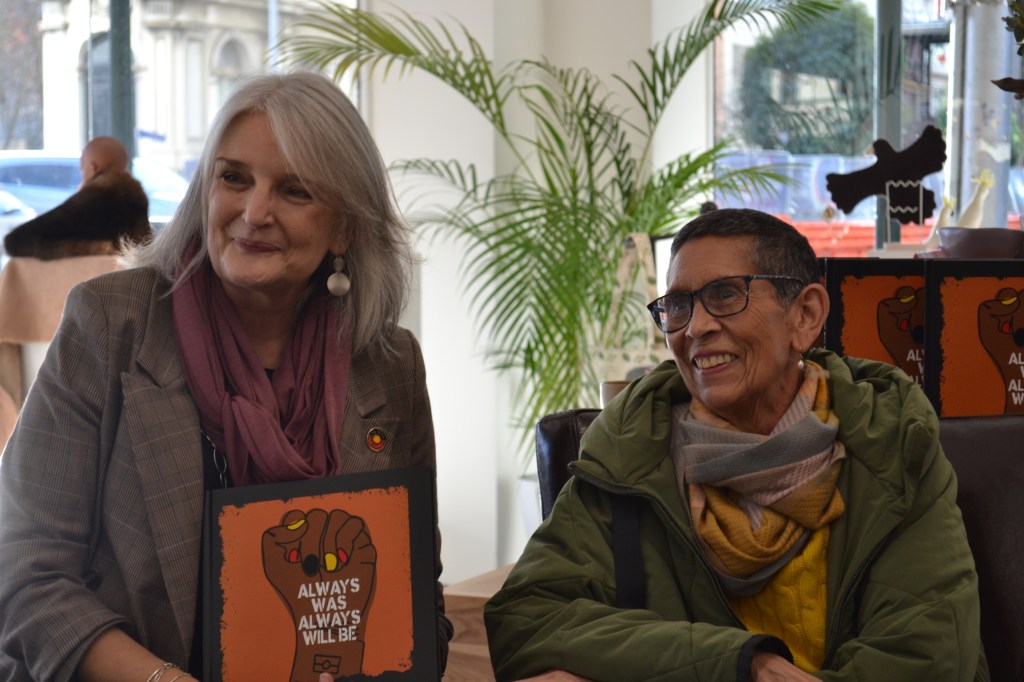
Always Was, Always Will Be by Aunty Fay Muir
& Sue Lawson
Published by Magabala Books
Guest Author post about Always Was, Always Will Be by Sue Lawson for Joy in Books at PaperbarkWords blog
Always Was, Always Will Be has been a long time coming. Aunty Fay and I first started writing the book in 2017, however a few hiccups, including the COVID years, held the book up until now.
We are delighted to finally hold a copy and see it finding its place in the world.
HOW IT BEGAN
Aunty Fay and I started working together about nine years ago now. Our publisher, Maryann Ballantyne introduced us in a café and haven’t stopped chatting since.
As with all our books, the idea for Always Was, Always Will Be came up during a lunch catch up. It’s a very relaxed and organic way to work, and its gifted us the loveliest friendship.
Fay has been incredibly generous and patient and has guided me on a rewarding journey of discovery. I hope our combined passion for sharing and honouring First Nation people and culture shines through our books.
THE WRITING PROCESS
Once we have the germ of an idea, usually uncovered over lunch and cups of tea, the next time we meet, we develop the idea.
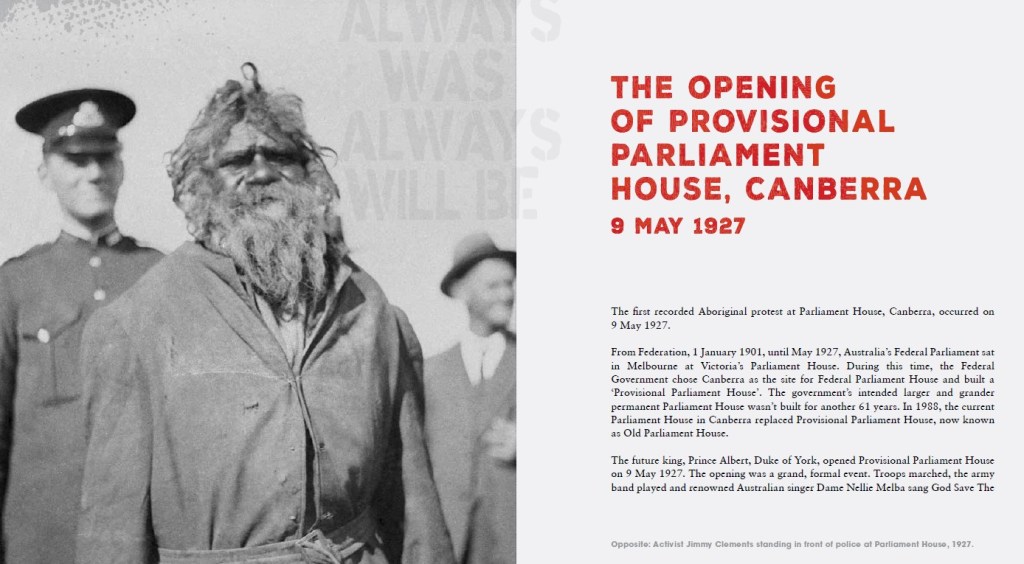
For example, the spark for Always Was, Always Will Be, came during a conversation about the 1967 Referendum, and Fay’s memories of before the referendum, the lead up and life after the YES vote. We started talking about other First Nation’s movements and next thing we were writing a list of protests and activism that might work in a book.
Once we have the idea, we both go and ponder and research. When we next meet up we have an idea of what we’d like to cover and the writing begins.
The draft bounces back and forth between us until Fay is happy with the content. I do the tightening and polishing.
During this stage we have a conversation with our publisher, Maryann Ballantyne. Maryann is very involved in what we do. While we continue to write and edit, she looks for illustrators or images. In this case, Arlie, an editor at Magabala also sourced images.
While we were writing and editing the stories we included in the book, we focussed on truth, respect and First Nations people’s perspectives. We took care to source information written by First Nations people and, later, at the publishing stage, Arlie, our editor at Magabala, checked with families, and other stakeholders to seek permissions and check we had details correct.
It was vital to us that we were truth-telling.
With that in mind, we make it very clear at the start of the book that this book is a work in progress and we welcome any additional information from families.
CHALLENGES
There were quite a few challenges while we were writing and editing. One was trying to decide which protests to include and which to leave out. There are so many incredible stories and acts of courage, but in the end, we went with a cross-section of topics and geographical area.
We feel we have picked the most important movements.
Another challenge which we didn’t see coming, was the constant increase in the amount of information available. We were continually updating each story as we learnt more. We also had to update information a few times to allow for events that occurred during the book’s production, including the Voice to Parliament Referendum.
FAVOURITE STORY IN THE BOOK
While we both are in awe of all those who participated in the various protests, we do both have favourites. I have to admit though, mine change all the time.
Aunty Fay’s favourites:
Wave Hill Walk Off
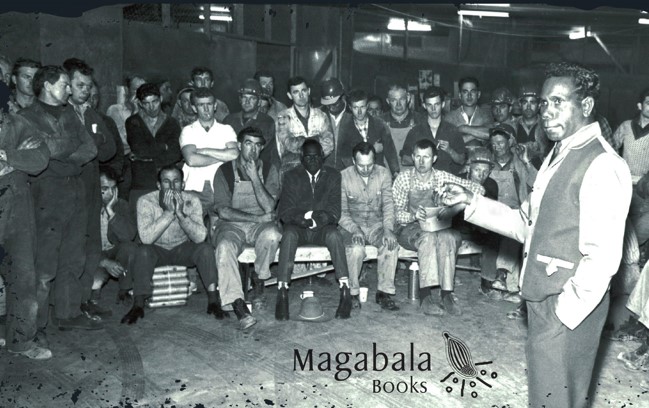
This was a significant event for our Elders and their entire families in 1966, when they left Wave Hill station, belonging to Lord Vesty. A huge cattle station in the Northern Territory because he wouldn’t pay them 5 shillings a day for the work they were doing on his property. Instead he paid them with inferior rations.
On 23 August 1966 Vincent Lingiari, a Gurundji Elder, led the 200 workers and their families off the station.
Vesty thought that they would return when rations ran out but Vincent was a strong in his endeavour to stay on strike, which he did for 8 years. They lived at Daguragua (Wattie Creek).
He had support from Dexter Daniels, the North- President and Northern Territory Council for Aboriginal Rights, President and Northern Australian workers union organiser. He arranged a Bedford truck filled with food to travel from Darwin to Daguragua, over 1500 miles, with help from Robert Tudawali and Brian Manning. They did this fifteen times loaded with supplies. This was a fantastic effort on their behalf to keep Lingiari’s people feed.
It brought Lord Vesty to his knees, without workers to shear his sheep and work the land he was unable to manage.
First Nations men and women have been fighting for equal rights as a peoples from when Cook first arrived in Australia and continue to do so today.
Our old people of yesterday fought hard for where we are today and there are Elders still fighting for our people in many different ways still.
It’s hard to single any one particular person or organisation out there but Wave Hill stands out for the strength of the Gurundji peoples long fight, as all have contributed to many goals of what they fought for and continue to fight for us as a peoples to be where we are today.
I applaud all our past Elders who have fought the great fight in their own quiet and dignified way to be able to say thank you to them for their courage and tenacity.
All the stories of our Elders in “Always Was Always Will Be” is a book that needs further investigation by students and teachers alike to understand the sacrifice our Elders endeavoured and go on a further journey of learning.
Sue’s favourites
Dexter Daniels, who along with Robert Tudawali and Brian Manning, drove a Bedford truck the 1500 kilometre trip from Darwin to Wattie Creek fifteen times to bring supplies to the Wave Hill strikers. The strikers couldn’t have stayed off the job without Dexter and Robert.
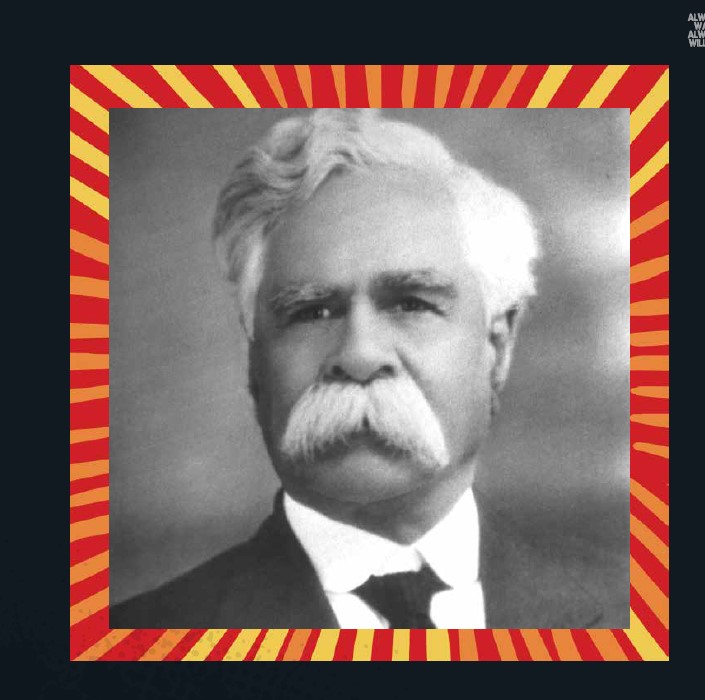
Yorta Yorta man, William Cooper was a hard-working activist. Among his many achievements are the co-founding of the Victorian Australian Aborigines’ League in 1932, organising with others the first protest against celebrations on January 26 and declared the first National Aborigines Day in 1940. The National Aborigines Day developed into NAIDOC Week.
WHAT WOULD YOU LIKE READERS TO TAKE AWAY FROM THE BOOK?
We’re thrilled with the response to Always Was Always Will Be and are very grateful for the terrific reviews.
Our books is an introduction to the wise and courageous Elders who have paved the road for all of us and an introduction to their incredible stories. Our aim is for our book to be a springboard for kids to seek out more information, and as Aunty Fay says, go on the journey for themselves.
Our hope is that our book will find a home in every classroom, so children can share their knowledge and start conversations with their parents.
These stories are truthtelling, and it is by truthtelling that we can truly heal and come together as a nation.

 paperbarkwords.blog
2 thoughts on “Always Was, Always Will Be by Aunty Fay Muir & Sue Lawson ”