
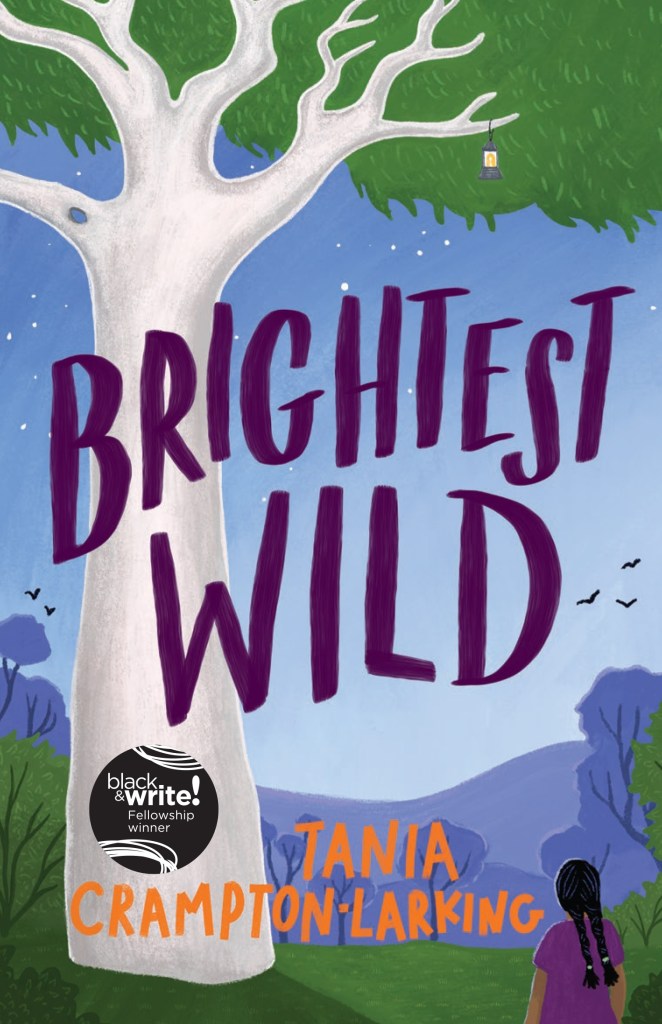
Brightest Wild by Tania Crampton-Larking
Published by Lothian Children’s Books, Hachette Australia
“It’s so quiet here. Even though Art has a large yard, it feels better to be here in the bushland. Yellow, brown and green shades glow mysteriously. My heart skips a beat or three with overwhelming awe and wonder. This place is deeply special for sure.” (Brightest Wild)
Author Interview with Tania Crampton-Larking
Congratulations on the publication of your novel for young people, Brightest Wild, Tania, and thank you for speaking with Joy in Books at PaperbarkWords.
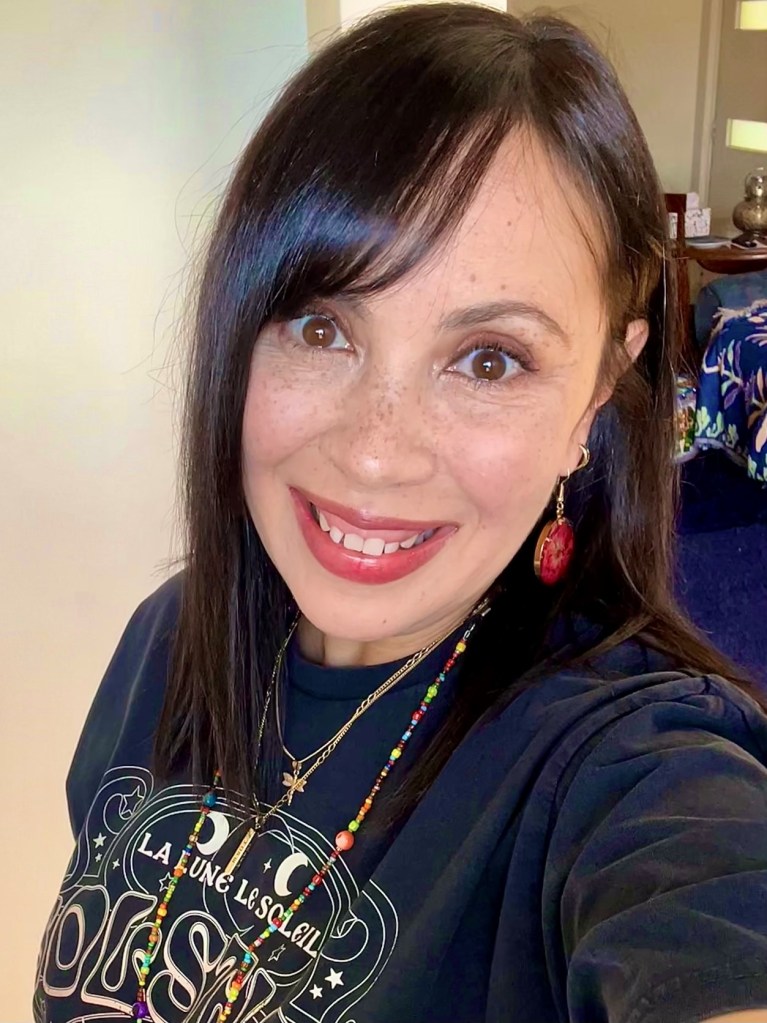
Where are you based and what is your background in books?
I live, work, and write on beautiful Kaurna Land. In 2014, I had an educational reader for 7–8-year-olds published by Oxford Uni Press in conjunction with Laguna Bay Publishing as part of the nationwide Yarning Strong series. Like my latest book, that reader is about connecting with Nature, with its title, Super-nature Stars reflecting this important topic.
How did the process of publication of Brightest Wild with Hachette come about?
Amazing people from my writer’s group, the South Australian First Nations Writers Group, let me know about how important competitions are for writers. My middle-grade manuscript did well, and I was fortunate to be a joint winner of the State Library of Queensland’s black&write! Writing Fellowship competition in 2019. This included a possible publication deal with Hachette. Shortly after developing my manuscript with the incredible black&write! Team, the pandemic arrived. I’d been fearful about the future of books. Bookstores in my area were closing. Thankfully so many were reading during lockdowns and I shouldn’t have worried. I’m grateful for the opportunity to work with a number of editors in what was a lengthy publishing process. I had chosen to make significant changes and the manuscript evolved enormously.
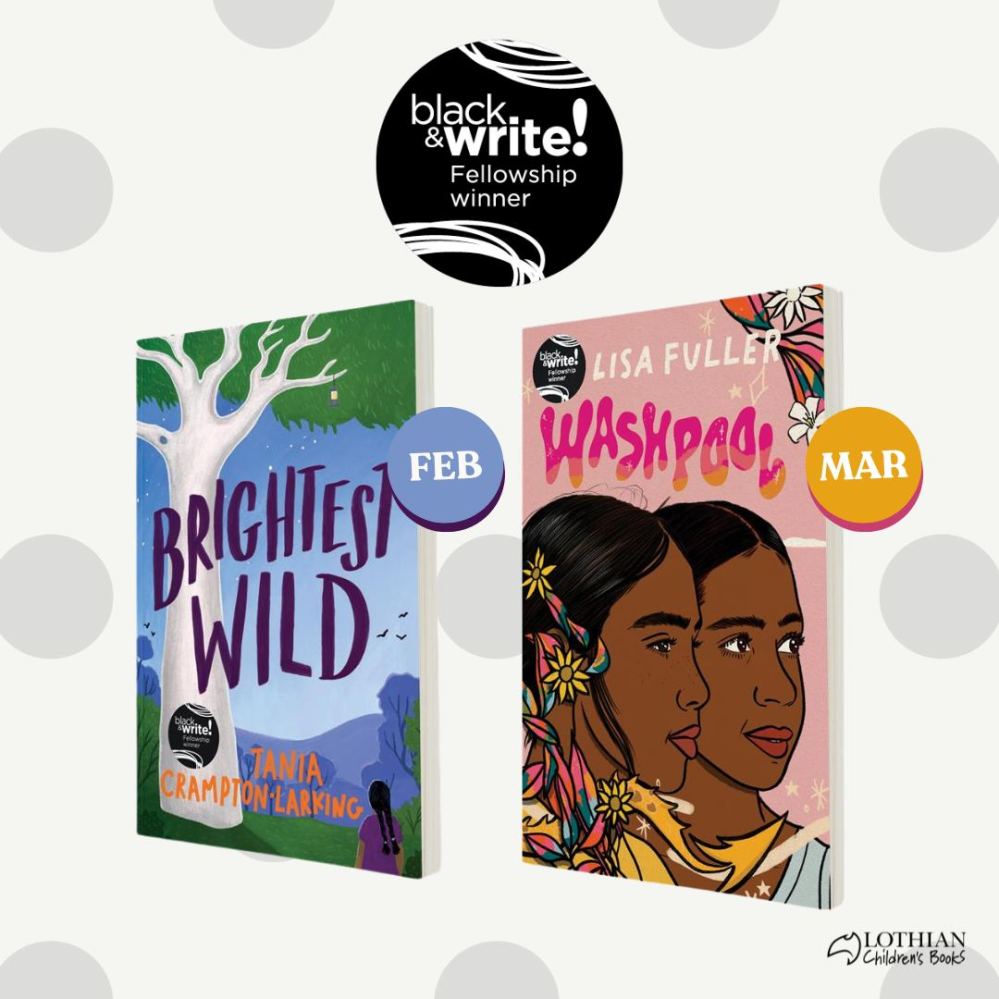
What is the significance of your book’s title, Brightest Wild?
I hope people might be able to recognise that the title is imbued with much cherished love for Country and for all of Nature.
How have you brought your Mirning background into the story?
My Mirning characters provide a glimpse of some of the beliefs and values I hold as a Mirning woman, such as deep connections to Country, to family and to everyone. We are all one.
Please briefly introduce Alex, her background and changing circumstances. What are some of the tensions that she faces?
Eleven-year-old Alex lost her Indian father young and moves with her Irish mother from London to a continent which she feels upside down in at first, called Down Under, fast leaving behind too much of what she loves. She has to try to fit in, attend a new school, be in a new family and make sense of a different environment. She faces harsh challenges such as bullying and has to manage trauma-induced anxiety along with panic attacks. Finding connections with Nature and with likeminded others, she becomes amazingly strong.
Twins Koen and Kirra are very interesting characters. What stands out about them?
Koen and Kirra are both passionate, strong-willed characters. Being twins there is an extra special connection between them. Their shared experiences, beliefs and pasts are fascinating for Alex who tries to decode mysteries they’d created whilst under Nature’s spell in the stunning place in which they spent much of their lively childhoods.
Alex’s new friend Luke is nicknamed ‘Storyteller’. Why is he so proud to be called this?
Luke is excited by the idea of being a great storyteller, of creating and weaving stories and poems. His talented ability to entertain through stories leads him to want to pursue a career in which he can be freely creative with words. An important part of his culture is an ability to pass on important knowledge, and he draws inspiration from this also.
“Everything in nature is magical.” What in nature do you find magical?
I find every part of Nature to be magical, including us humans with our trillions of microorganisms. Perhaps some strange contrasting experiences led me to appreciate Nature more deeply. I spent quite a few childhood years living in a house which sat beside six lanes of an arterial city road. I breathed much traffic pollution daily. Later, having moved to a country town, I was in awe of clean air, brightest night stars and bushland I was able to dream in and explore.
How are the Old Gums and the Great Gum a symbol in the story?
They represent beautiful Country, cultures surviving, a continuing, vastness of interconnected past, present and future – an incredible stretch of time in which they, and others like them stand tall, alive and proud. They are symbolic of an area which has survived colonisation and has been cared for by First Nations people as well as by caring, heart people from all across the globe who truly love Nature. Alive and far more valuable than a fleeting mobile phone touchscreen, they are big friendly spirits who greet all with arms of branches and with canopies of leafy shade for instant comfort. Their love and powerful presence and the fierce, fiery risk to their continued existence, motivate characters to fight for them and for the health of the planet.
Your themes also include blended families, bullying, migration and social justice. Please tell us a little more about any of these.
By accident, I stumbled into a Schools for Climate protest some years ago and was struck by the passion and anger – so many strong feelings of participants of all ages. At the time, I hadn’t been educated about the climate and ecological crises. Witnessing this event motivated me to research what scientists are saying about this. After devouring educational information in books and online, I felt motivated to include climate social justice as a prominent theme in Brightest Wild. An earlier version of the manuscript had been a simpler tale about the serene beauty of the bush. Also, whilst working on some edits, I had taken a break and stumbled across social media posts from my cultural exchange host cousin in Panama about protests against a mine. I looked into this online and was inspired to include information about the famous protests in Panama in late 2023 which led to amazing environmental protection. As part of my research, I realised that climate change, ecocide, colonisation and racism are connected. I wanted to somehow incorporate all of these themes into the narrative.
How have you incorporated music and art into the story? Why?
Art, Alex’s new stepfather loves art. Koen does too, although he decorates his body with it more than a canvas or two, or paper. Alex loves to write and draw. I think almost all of my characters love music and being creative, and their creations either come from the heart or it’s forced when times are turbulent. Through having characters participate in the arts in various ways I found I could reflect upon the creative nature of humanity that is stifled by time-poor modern times and the need to struggle to stay financially afloat in old, outdated systems especially as we live through costly, catastrophic climate and ecological crises. Also, I could show both a revival and a continuation of key elements of First Nations culture – art and music, singing and movement in tune with Nature, in tune with ourselves.
For what readership or age group is Brightest Wild intended?
I wrote it mainly for the middle-grade age group, but I think it could be for most age groups.
What are you writing now or next?
I’ve been thinking of working on a comedic tale about chaotic times where mind boggling technology drives people to question their innate human realities and whether they are bots. Mostly I’ve been reading in my spare time, and creating Nature blog videos for people who live within heavily industrialised areas.
What else have you been reading recently that you would like to recommend?
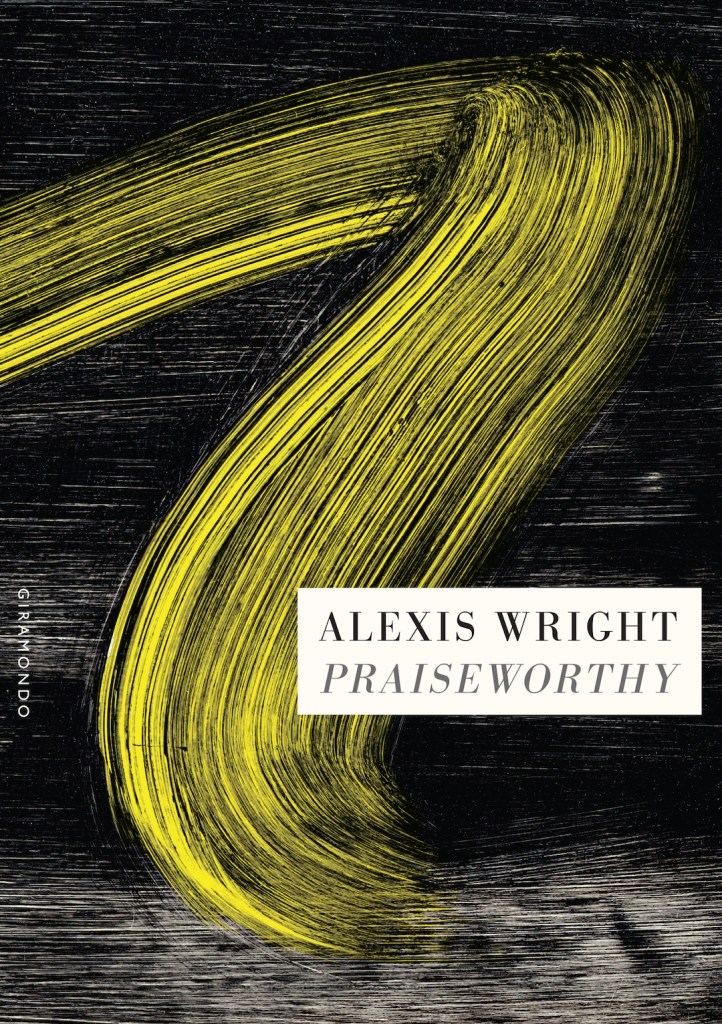
For adults, I recommend Alexis Wright’s Praiseworthy, Royce Kurmelov’s Slick, Ajay Singh Chaudhary’s, The Exhausted of the Earth, and Tim Winton’s Juice. For younger readers, I recommend Kirli Saunders’ Bindi, Tylissa Elisara’s Wurrtoo, and though I haven’t read it yet, Lisa Fuller’s Washpool.
How would you like readers to contact you?
My website, still currently being developed, would be a great way for people to contact me.

 paperbarkwords.blog