
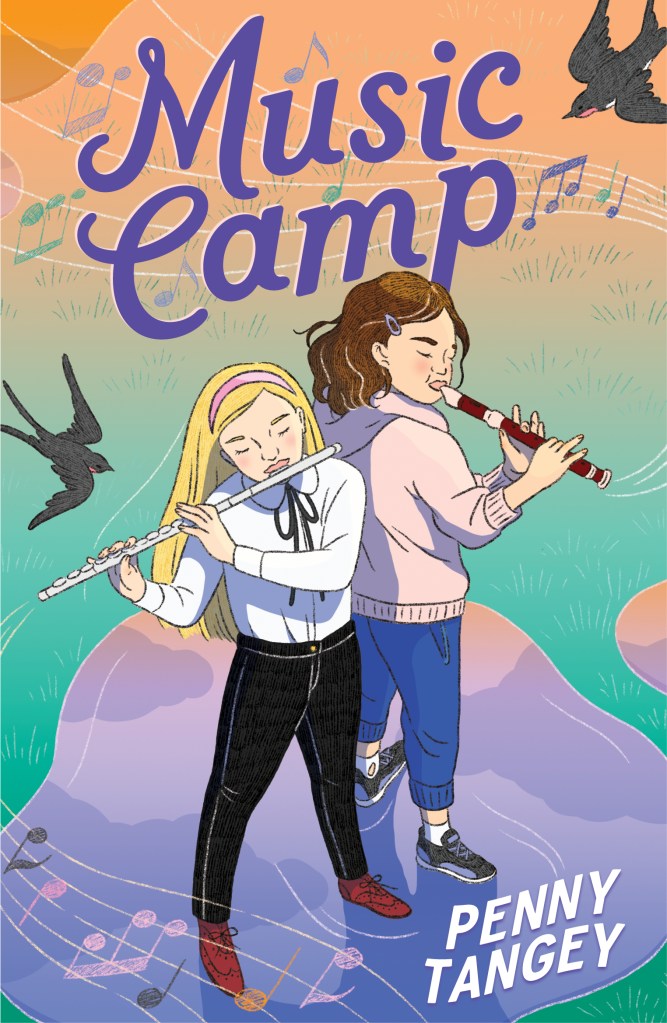
Music Camp by Penny Tangey
UQP
Guest author post by Penny Tangey for ‘Joy in Books’ at Paperbark Words
In Grade 5 I attended an interschool music camp and had the time of my life. I made new friends, laughed, broke rules and played music. Later, I went to other music camps and had intense, complicated fun.
I wasn’t a talented musician, but I loved music camp. I felt I was with like-minded, creative people, even if music wasn’t the kind of creativity I could excel at.
I’ve wanted to write a book about a music camp for about fifteen years. When I first had the idea, I still had a lot of personal angst about school. I planned a gripping comedic thriller about bullying.
That’s not the book I wrote. Instead, Music Camp is about a group of young passionate musicians and how their hopes and dreams are impacted by the climate crisis.
Climate activism
This change in concept reflects a broader change in my perspective. I’ve known about global warming for decades, but for years my engagement with the issue was primarily wishing and hoping that governments would do something about it. The scientific evidence is so clear, and it seemed so obvious that climate change would be devastating that I assumed governments would act to protect us. Around six years ago I realised that this was not happening.
Motivated by a sense of personal responsibility, I’ve been involved in climate activism since then. Lobbying politicians, protesting, advocating in my industry, hanging banners on my house. I also felt I had to write about it. I write contemporary realistic fiction and climate change is already affecting Australian children. Some kids might feel anxious reading about climate change. But others feel comforted that they’re not alone in worrying.
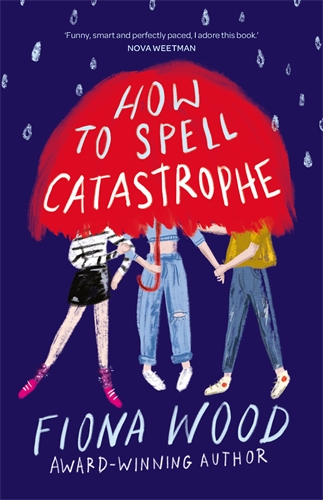
There are many ways to depict climate and ecological issues in kids’ literature. A great example is Fiona Wood’s How to Spell Catastrophe, which is directly about kids’ climate anxiety and activism. On the other hand, Bailey Finch Takes a Stand by Ingrid Laguna is about a kid bringing the community together to tackle a local issue, a polluted creek. In Bren MacDibble’s dystopia The Apprentice Witness a young girl strives to make a life after climate collapse in a transformed society that is both cautionary and aspirational. We need all kinds of books about climate change; like any important issue, there isn’t just one way to address it.
Fossil fuel sponsorship
Fossil fuels are responsible for 75% of greenhouse gas emissions. In 2023 UN Secretary General Antonio Guterres warned we must take immediate global action to phase out fossil fuels to avoid “catastrophe”. In 2024 the world exceeded 1.5C warming for the first time. We are seeing floods, storms, droughts and heatwaves caused or exacerbated by climate change. This affects poorer people disproportionately. Unfairly, those who have the least responsibility for global heating suffer.
Fossil fuel companies no longer deny humans cause climate change, instead they attempt to delay the urgent energy transition. They use sponsorship of beloved community organisations (arts, sport, education, health) to present themselves as valuable and indispensable community partners. This lets fossil fuel companies operate longer, with disastrous results. The relatively small amounts these companies pay to community groups is far outweighed by the harm caused by climate change.
In 2022 Tim Winton made a speech at the Perth Festival calling out the arts industry for these partnerships. Winton argued that accepting fossil fuel money didn’t make us bad people, it made us chumps. We are being used by companies who are destroying the planet and people’s lives. This speech resonated with me, and I started a “chumps list” of organisations in Australia sponsored by fossil fuels. I began to see patterns in how sponsorships are distributed and justified.
Fossil fuel sponsorship in Music Camp
(warning: spoilers ahoy!)
Once I decided to make fossil fuel sponsorship a theme of the book, the entire plot of Music Camp was clear to me. Unusually for me, I wrote the first draft without showing anyone because I knew exactly what I wanted to say.
Writing Music Camp I tried to stick to the old “show don’t tell” rule. There’s limited discussion of climate in the book. The sponsorship debate is two short conversations between teachers; one who wants to end the camp’s partnership with a gas company, and another who thinks the funds are worth it. Both teachers are good people who care about students.
The beautiful concert hall in Music Camp represents the folly of fossil fuel sponsorship. The hall is named after the gas company that sponsors it, Vitaside, but ultimately it becomes useless because of a climate-induced flood. The concert is cancelled and children’s lives endangered. The hope provided by Vitaside’s sponsorship was an illusion.
Fossil fuel companies promote the view that we wouldn’t have community arts and sports events without them. The coda for Music Camp is a program for a future concert not sponsored by Vitaside. This represents my belief that our communities can thrive without these companies. Our human desire to come together to tell stories and make music isn’t dependent on fossil fuels. It will outlast them.
Messages
I don’t enjoy talking about climate change. I feel deeply uncomfortable reminding people of the suffering that is coming if we don’t act. I worry nothing I do will help, and I feel angry that people who could make a real difference, won’t act.
And selfishly, part of me wishes I could focus on my dreams and ambitions. I could have written my original concept for Music Camp. A more popular, fun read that was less political and didn’t make anyone feel uncomfortable.
But I’m living in a climate crisis. I didn’t choose it, but I won’t deny it, and I will write about it.
Through Music Camp I wanted to express solidarity with kids for the situation they’ve inherited. I also want kids to know they can find camaraderie, stories and music in difficult times.
My message for adults is that we need to make hard decisions to disrupt the status quo and help future generations. With courage and imagination we can have nice things without fossil fuels.
And my message for everyone is that the recorder is a serious instrument.
Thanks for your powerful piece, Penny, and wonderful novel, Music Camp.
Music Camp by Penny Tangey at UQP
My interview with Penny about As Fast as You Can at PaperbarkWords blog
My review of Granbad by Penny at PaperbarkWords blog

 paperbarkwords.blog