
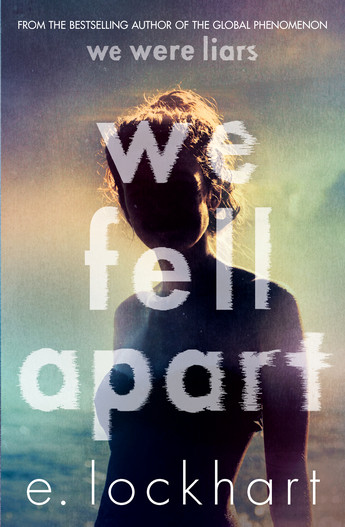
We Fell Apart by e. lockhart
Interview with e. lockhart about We Fell Apart
“It was a bad place to fall in love.
On the property called Hidden Beach, a wooden castle stood on a monstrous cliff. It was a place of
barbecues, sunblock, acoustic guitars, and midnight swims.
Oil paint, intrusive briars. Hungry dogs.
Drawings on skin, terrible lies, and
long afternoons at the edge of the sea.
The three boys who lived in the castle followed strange rules, fended for themselves, and became the whole world to each other, keeping their secrets locked in a tower. They were prisoners in an endless idyll.
There was something rotten there, like a bowl of beautiful berries gone putrid in the heat.
I was eighteen, a cold cup of tea, unwanted.
I had an arsenal of weapons.
I was the bringer of madness.”
(We Fell Apart by e. lockhart)
E. Lockhart is one of the world’s most popular and respected YA writers. Her 2014 novel, We Were Liars is a New York Times best seller and TV series.
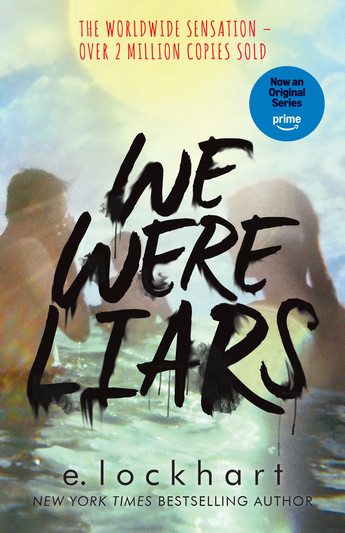
I loved her early novel The Disreputable History of Frankie Landau-Banks and reviewed it for The Australian newspaper (see my review at the end of our Q&A).
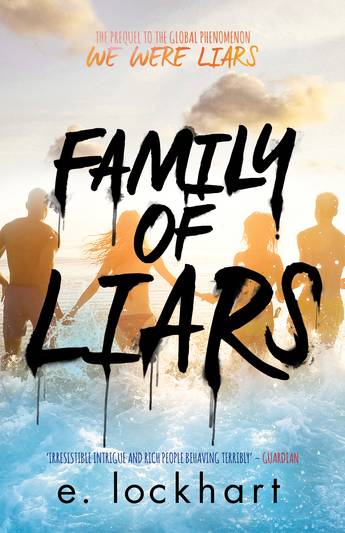
We Fell Apart (2025) is Emily Lockhart’s new novel. It is set in the same world as We Were Liars and its prequel, Family of Liars (2022). I found it captivating with its original characters, evocative atmosphere and finely honed writing.
(We Fell Apart is published in Australia by Allen & Unwin)
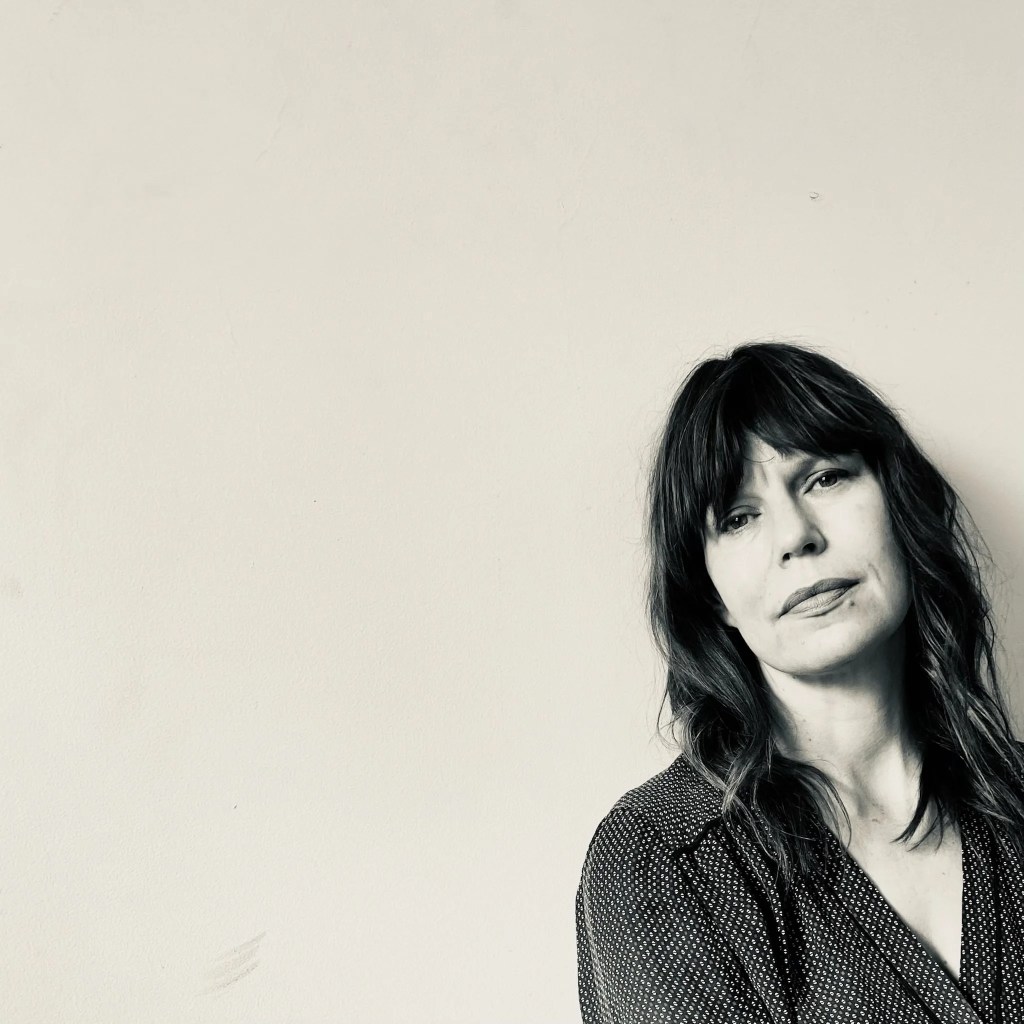
Thank you for speaking to PaperbarkWords, Emily.
Why are you so interested in lies and liars?
I think everyone is. The truth is subjective in many situations; people remember it differently, or tell it sideways, or hide it from themselves. It’s kind of the human condition, to mistrust your perceptions sometimes, and it’s integral to fiction writing, where even the most reliable of narrators is holding back information so as to reveal it at the time when it will be best for the story.
How is We Fell Apart a companion book to your #1 New York Times bestseller YA novel and TV series We Were Liars?
We Fell Apart is set in the same universe — but with a new cast of characters and a new seaside mansion full of secrets. It’s just across the water from Beechwood Island, the setting of the first two books, and the characters visit Beechwood and uncover new elements of the Sinclair family history.
What do you find evocative, unsettling or elusive about the setting of Hidden Beach, West Tisbury, Martha’s Vineyard, Massachusetts in We Fell Apart?
For Americans, the northeastern coastline symbolizes a lot — that’s where the pilgrims landed, where the Kennedy family vacationed, the subject of Herman Melville’s novels, and so on. But it is, of course, stolen land as well. There is shame and pride and symbolism to spare. I grew up going on holidays to Martha’s Vineyard and I have a lot of love for it, so it lives large in my imagination for that reason as well.
What genre is We Fell Apart?
Beachy gothic love story.
What do you find endearing or unexpected about your protagonist Matilda?
Matilda is a gamer, whereas the protagonists of We Were Liars and Family of Liars were big readers. That means the way Matilda approaches storytelling is different, especially the literary and fairy tale elements. That was really fun to play with.
Why is she so interested in games like Killer Odyssey and Something Rotten?
She likes games where she positions herself in an avenger mode, a classic hero mode, if you will. She’s a fighter. And of course, the stories in those games hold clues to understanding her father, so I wanted her to be familiar with The Odyssey and Hamlet.
How have you cherished family and relationships in the novel?
Matilda goes to Hidden Beach in search of the father she’s never met and instead finds a different kind of family.
What is the significance of Matilda’s father’s name – Kingsley Cello?
He’s the king of his estate — it’s a world of his own making.
How have you used Kingsley’s art, particularly with reference to classical literature and fairy tales, to develop your characters and enhance the story?
I think Kingsley paints the inside of his mind, much as I try to write the inside of mine. Classical literature and fairy tales prevail over time because they say something true and universal about the human experience.
The ‘muse’ is a recurring motif in the book. What is your writing muse?
I don’t agree with Kinglsey and June about muses. I find that side of them pretty obnoxious. I just sit down and work. If I waited for a muse, nothing would get done.
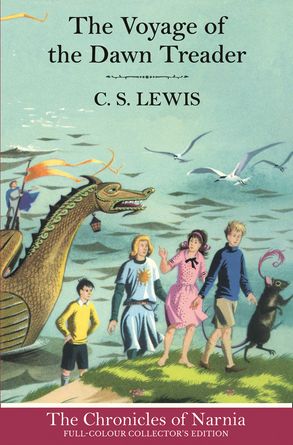
How or why do you integrate C.S. Lewis’s Chronicles of Narnia into the novel?
There are Narnia references in Family of Liars, for alert readers. And so the Narnia references here are a clue. Plus, I love the idea that Edmund gets trapped in this dragon skin. Such a powerful image.
Which award or response from a reader has meant the most to you?
People quite often tell me that they became readers after reading We Were Liars. That’s the most wonderful thing.
What are you writing now or next?
The Pools comes out October 2026. It’s a very romantic, gothic standalone set in a spa town. Bad things happen.
What have you read recently that you would like to recommend?
Naomi Novick’s A Deadly Education.
Thanks very much for your responses, Emily, and particularly for how your novels excite young people about books and reading.
We Fell Apart at Allen & Unwin
Two Australian YA novels that readers may enjoy alongside We Fell Apart are The End of the World is Bigger Than Love by Davina Bell and A Wreck of Seabirds by Karleah Olson.
*****
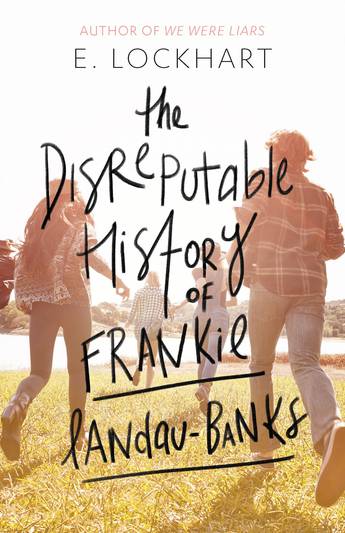
The Disreputable History of Frankie Landau-Banks by E. Lockhart
My review of The Disreputable History of Frankie Landau-Banks by E. Lockhart as part of a literary omnibus review in the Australian newspaper, February 2015.
“Words are powerful. They can help writers ease their burdens, making sense of change, loss and grief. They forge link-bridges across potholes and peaks of shared and new experiences between writer and reader, even through the ages …
… The tunnels in The Disreputable History of Frankie Landau-Banks by E. Lockhart, U.S. author of We Were Liars,(Allen & Unwin, 345pp, $14.99) connect the buildings at Frankie’s exclusive boarding school. They are locked utility shafts that students are banned from using, ‘But there wouldn’t be a story here if there weren’t a way of getting in.’ Frankie duplicates the keys and uses twine to explore the maze under the school which has outlets into many rooms, perfect for pranking.
Frankie is a smart strategist who, despite suddenly growing pretty, feels the awkwardness and inferiority of most teenage girls.
Matthew Livingston, leader of the hierarchical male-only secret society, the Loyal Order of the Basset Hounds, finally notices her. Frankie enjoys her new status as the girlfriend of one of the blithe wealthy boys. She reads about P.G. Wodehouse’s Drones, a club of silly men; and learns about the ‘panopticon’, where people follow rules just in case someone is watching; and the Cacophony Society, whose members ignore the panopticon’s preoccupation with surveillance to, instead, explore urban spaces and act ridiculously in public. These give her ideas on how to overturn the patronising exclusivity of the boys. She particularly dislikes their selective memory, which gives them control over those they pretend not to know; and their attitude towards girls who surpass their power, intelligence or social standing.
Once Frankie finds the Basset Hounds’ handbook, The Disreputable History, she has the ammunition to mastermind audacious pranks, such as adorning portraits, statues and a tree in colourful bras and the library dome in a parachute ‘bra’, without the boys knowing who is pulling their strings. Books show her the way.”

 paperbarkwords.blog