
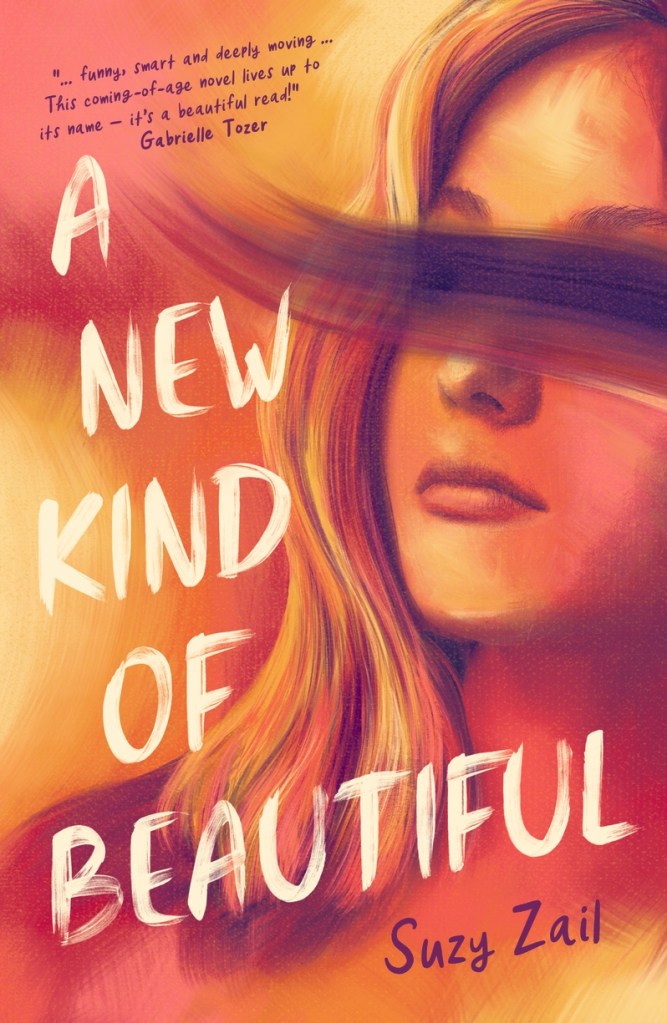
Suzy Zail &
A New Kind of Beautiful
(Walker Books Australia)
“I want to be brave. But I just dropped the Wild Thing tag and I don’t need a new story: The Adventures of Brave Girl.”
(A New Kind of Beautiful)
Author Interview: Suzy Zail
Suzy shares her thoughts about A New Kind of Beautiful and her other YA novels with Joy in Books at PaperbarkWords blog
You’ve worked as a lawyer, yet you seem to have a journalistic approach to researching your YA novels. Where does this come from and how do you go about this process?
I think it comes from a natural curiosity about people. I’m interested in lives and experiences that are different from my own, and I’ve never really believed in the advice to “write what you know.” I prefer to write what I want, and need, to understand.
But writing outside your own experience comes with a responsibility. You earn the right to tell another’s story by doing the work: researching deeply, listening carefully and collaborating with the people whose experiences you’re drawing on. It’s the only way to tell an authentic story.
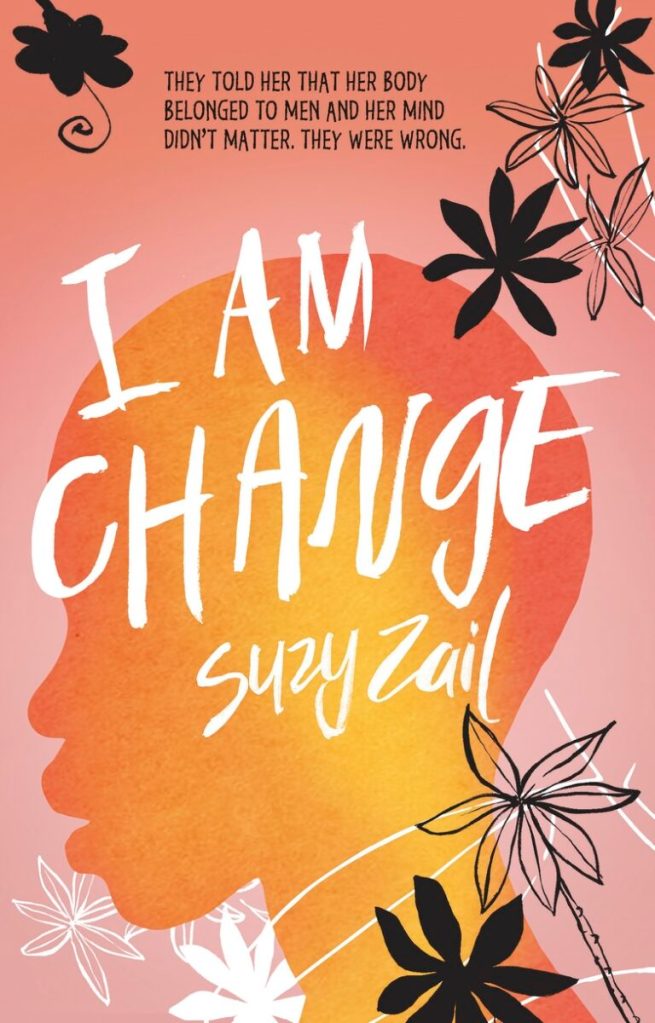
I usually spend at least a year researching a novel. For my novel I Am Change, about a Ugandan girl fighting to stay in school, I travelled to Uganda and met girls who had been forced into early marriage. For Inkflower, I drew on my father’s Holocaust experience but also spent months reading memoirs and testimonies at the Holocaust Museum and speaking with survivors.
A New Kind of Beautiful was no different. Imagination alone wasn’t enough to tell the story of a 16-year-old losing her sight. I researched eye diseases, spoke with doctors, teachers, counsellors, occupational therapists, mobility and assistive-technology specialists. I did cane training with Guide Dogs Victoria, walked through the suburbs wearing simulation goggles and tried activities in the dark. Experiences that allowed me just a small glimpse into what it was like to be low vision.
The most important part, though, was listening to people with lived experience. I spent time with teenagers and adults who were losing, or had lost, their vision who told me about the pain of diagnosis, and their grief and loneliness, but also about how they found community and new ways to be creative and live full and interesting lives.
I returned to people in the low-vision community throughout every draft. I didn’t send the manuscript to my publisher until they told me it represented their experience truthfully, and it wasn’t until Walker Books engaged a low-vision sensitivity reader, that it went to print.
You seem to write ‘life stories’, stories from life – including about motor neurone disease in Inkflower. Which of your novels is most autobiographical? How?
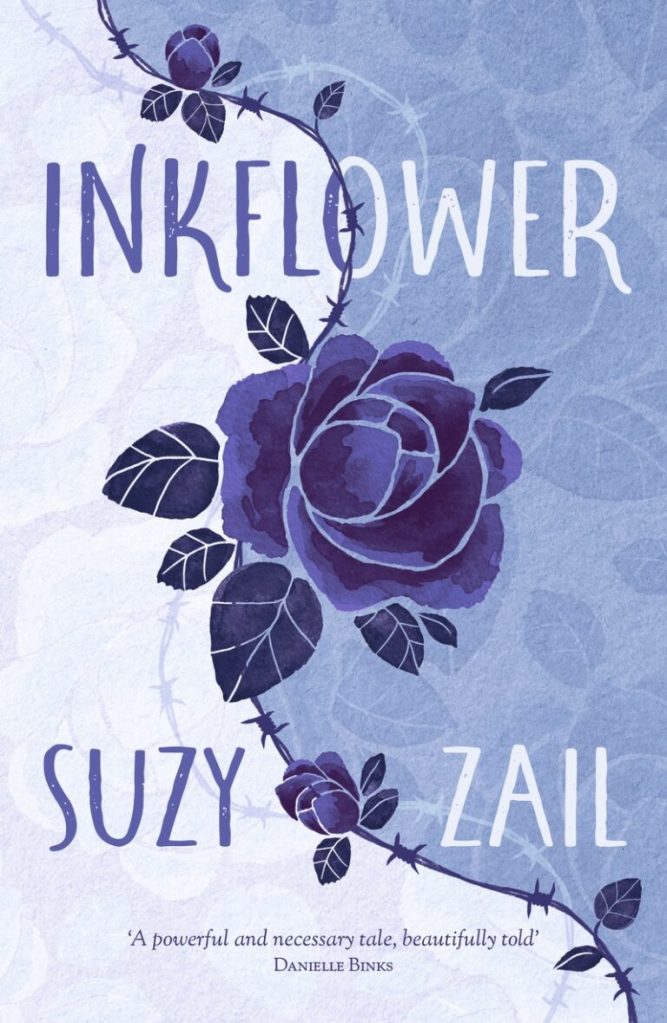
Inkflower. Everything Lisa’s father tells her about his time in the concentration camps came from stories my father told me, and everything she witnesses of his growing frailty, and the ways his illness changed him, I drew from what I saw during my father’s final years with motor neurone disease.
Lisa is younger than I was when my father became ill, but we shared many of the same fears: the dread of what was coming and the helplessness of watching someone you love slowly die. We also loved our fathers with the same fierceness.
The novel allowed me to bring together two parts of my father’s life: the Holocaust story he hid from us, and the experience of losing him to MND. Lisa is not me, she’s braver, but much of the emotional truth of her story is mine.
Many of your novels highlight the horror of the Holocaust and how people suffered and sometimes survived it. How do you decide which shocking content to include or leave out?
I was torn between telling the truth and protecting young readers from the harsh reality of the camps. If I softened the Holocaust too much, I risked being dishonest. But if I reproduced every detail my father and other survivors had shared with me, I would be taking readers into a world my own father had tried to shield me from for most of my life.
In the end, I decided that young people could cope with difficult truths, provided I told them with care. Children don’t only want books that entertain them; they want stories that make them feel, question and think about who they might become. Reading about the Holocaust can help them understand where prejudice and indifference can lead, and why the suffering of others can never be someone else’s problem.
That meant I couldn’t look away from the darkest parts of the story, but I didn’t need to rely on graphic detail. I could focus instead on what my characters were feeling: their fear, shame, grief, hope and determination. Often the emotional truth is more powerful than a catalogue of horrors.
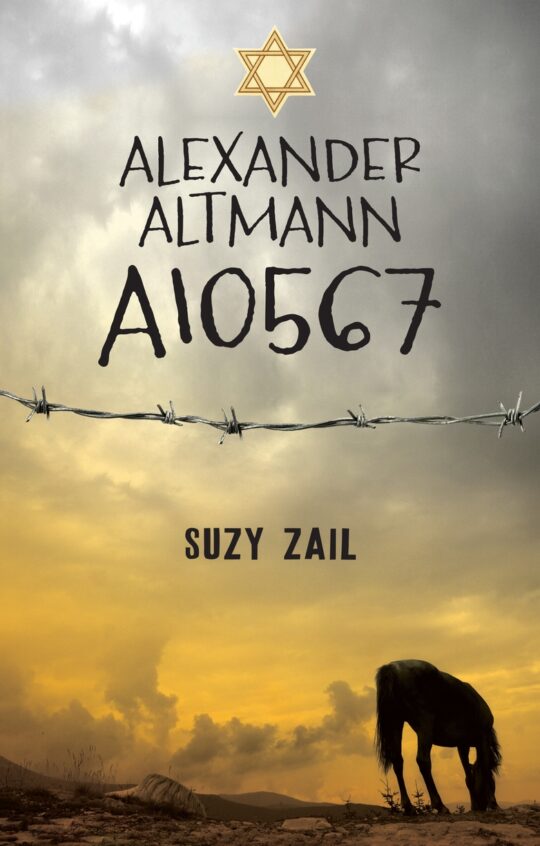
I also gave readers, and my characters, moments of respite. Hanna has music inThe Wrong Boy; Alexander has the horses in Alexander Altmann A10567. There are also friendships, brave neighbours, kind guards and small acts of humanity. Those moments of light don’t lessen the horror. They remind us that even in the worst circumstances, people still have choices about how they treat one another.
I think we sometimes underestimate young readers. Good writing is meant to challenge. Bending the world to shield our children from their fears doesn’t help them overcome those fears, and books allow them to encounter darkness from a safe distance. They can pause, reread or close the book. I think my responsibility as an author is to tell the truth in a way that helps them understand both what human beings are capable of doing to one another and how courage, kindness and resistance can push back against hatred and help build a better world.
The topics are sometimes tough, and I want my readers to feel deeply, but I’m also careful to protect them. That means moments of light and dark. My stories are never unrelentingly sad. Hope is such an important part of YA literature, and all my books are infused with it.
With A New Kind of Beautiful, I was writing about a sixteen-year-old girl losing her sight, so there were inevitably going to be confronting moments. But I was conscious not to focus solely on the hardship. I wanted to show the grit, resilience, humour and growth that can emerge through difficult experiences. Many of the blind and low vision people I interviewed had found greater clarity about themselves and the world through the process of losing their sight, and their reflections shaped the tone of the novel.
School life, friendships, parties, and art all provide a reprieve from the hard realities of vision loss. Painting becomes a refuge for Paige, but also for the reader. And then of course there’s the distraction of Ben and the superficial world Paige initially thinks she wants, and the love story with Zac, who becomes Paige’s safe place and her biggest adventure.
Humour is also important in all my books. And hope. I never give my readers an overly neat or happy ending. Paige doesn’t have an operation to restore her sight, but you close the book with a sense that things are shifting and that Paige will continue to search for the things that make her art, and her heart, sing.
How does A New Kind of Beautiful share a core or heart with your previous works? How is it different?
This book is different because it centres disability and creativity, but all my books try to do the same thing – give teens an opportunity to care about people who aren’t like them. Whether my novels are about gender equity, war or disability, I write in the hope that I might spark action in my readers to build a kinder world.
Maybe that comes from my own history – my dad spent his teen years in a concentration camp and later in life became disabled by motor neurone disease. His experiences taught me the importance of honouring our differences, and that empathy can change the way we see and treat each other.
Why do you mainly write YA? Why is this the best forum for your books so far?
I write YA because teens are such a great audience. Teenagers are still working out who they are, and the kind of world they want to live in. They’re also the next generation of leaders, teachers, parents, artists and decision-makers, so it feels important to give them stories that encourage them to question prejudice, challenge assumptions and think about how they want to treat other people.
YA readers are also open to difficult subjects and they feel deeply. They want books that make them laugh, but they also want stories that make them cry, think and ask uncomfortable questions. With A New Kind of Beautiful, I wanted readers to consider what it might feel like to lose your sight at sixteen, but also to examine their own ideas about disability, beauty, independence and success. Would they pity Paige, avoid her, try to rescue her, or take the time to ask what she actually needs?
Why do you tend to write about characters in their mid-teens? – Paige in A New Kind of Beautiful is 16, as is Hanna in The Wrong Boy and Lisa in Inkflower. Even Alexander in Alexander Altmann A10567 has to pretend that he’s 16.
I’m drawn to characters in their mid-teens because sixteen is such a pivotal age. That’s when kids are still trying to work out who they are and the type of world they want to live in. They’re beginning to question their parents’ values, make their own moral choices and imagine a future for themselves. It’s also an age when friendships, first love, appearance and belonging can feel enormously important. Everything is huge and momentous, and a single event can completely change how a young person sees themselves and their future. For Paige and the characters in my other novels, that process of ‘becoming’ is interrupted by circumstances they never chose, forcing them to decide what they believe, who they trust and who they want to be. A New Kind of Beautiful includes people who get things wrong, but also people who learn to listen, and perform small acts of kindness that help Paige feel less alone, so readers can see that the way we respond to another person’s difference can either deepen their isolation or prevent it.
How do you show the progressive deterioration of Paige’s sight?
I started by explaining the small blur in the centre of her vision, the fading of her colours, the words growing harder to read on the whiteboard. As the hole in the middle of her vision expands, and reading, painting and recognising her friends’ faces gets more difficult, I focused on showing, rather than telling. The story is told in Paige’s voice – the reader is inside her head – so they get to see what Paige sees, stumble with her, miss the bus with her, mourn the sunsets she can no longer paint, and the parties she’s missing. They get to sit in on her doctor’s visits and counselling sessions and see what she sees and hear what she thinks, and what she chooses to share.
What disappointed or impressed you about a decision she made?
I was disappointed that Paige stayed with Ben for as long as she did, but while she could still see, she wanted to surround herself with beautiful things, and Ben, popular and good-looking, represented the kind of life she thought she was supposed to want. She also thought he might be her last chance at love; that once people knew about her condition, love would become harder to find; maybe impossible.
What impressed me most was her eventual decision to stop hiding her disability. Paige picks up a cane and returns to the canvas to paint life as she sees it. She risks judgment, pity and rejection, the things she had spent so long trying to avoid. She lets go of the person she thought she’d become and allows herself to become someone new, someone who no longer paints what she sees, but what she feels.
She’s also done hiding Zac, and her new friends at Support group. And she learns so much in the process: that it takes strength to be vulnerable, that mistakes are good- they open up new possibilities – and that people with disabilities can still love, dream, grow and change.
Paige uses humour to process what’s happening. And I think that’s true to life. Some of the funniest people I know are carrying really difficult stories. We use humour to survive painful things. Paige can be vulnerable, angry and frightened, but she’s also funny, dramatic, self-deprecating, and occasionally brutal. I think stories work best when they hold a range of emotions.
How are some of the people in her life almost diametrically different from each other and how does this deepen the relationship building and further the storyline?
Having two very different love interests in the novel played an important role in revealing different sides of Paige. Both act as mirrors, reflecting the best and worst of her back to her.
Ben the school jock, represents the things Paige values when we first meet her: beauty, status and fitting in. She’s drawn to him because he is a popular and beautiful boy and being wanted by him reinforces her desirability and social standing. But as her eyesight deteriorates, and all she is left with is a dull, self-absorbed pretty boy with nothing interesting to say, she begins to recognise how shallow some of her own values are. She also realises that, rather than wait to be chosen by a boy, she can choose who she loves and trusts.
Zac reveals a completely different side of Paige. He sees her as more than the shitty thing happening to her eyes. He wants to hear her opinions and is not frightened by her flaws. Through Zac, Paige becomes more vulnerable, open and artistically fearless. He introduces her to mess and imperfection, in art and in life, and encourages her to paint what she feels. Zac represents freedom from perfection and pretence.
How could Jazz, Paige’s best friend, or her parents better support her? What did they do well or right?
Jazz loves Paige and is determined to make this her best year ever. She makes Paige’s insta-popular, lifts her school cred and acts as her guide, feeding her the information she needs to pass as sighted. But in focusing so hard on keeping Paige’s secret and keeping things fun, Jazz doesn’t take the time to understand how Paige’s condition is affecting her. She misses Paige’s panic, anger and grief and doesn’t recognise how much her friend is changing until late in the story.
Paige knows Jazz loves her but she feels unseen. Jazz could have better supported her if she’d asked what Paige needed, instead of assuming. And if she’d told Paige that she didn’t need her to keep up the Wild Thing act, that might have helped.
Paige’s overprotective father wants to wrap her in cotton wool and keep her safe, while her mother wants her to become an outspoken ambassador for the blind. Paige feels trapped between these competing expectations, guilty about the strain her condition is placing on her parents and frustrated they don’t understand what she needs. These relationships were important as they highlighted both Paige’s vulnerability and her fierce desire for independence.
Her mother might have helped Paige sooner if she’d been more open about her own struggles. Paige might then have grown up understanding that vulnerability isn’t weakness, and that asking for help doesn’t mean surrendering your independence. Her father needed to trust Paige to make mistakes, take risks and decide what support she wanted. Both parents loved her, but Paige needed them to listen rather than protect or speak for her, to recognise that supporting her meant helping her build a life on her own terms.
How could the novel help others understand and support those with sight-loss or another disability?
Hopefully, the novel will help teens better understand what life with sight loss might be like. After systemic barriers, the greatest challenge blind people told me they face is other people’s misconceptions about blindness. I hope Paige’s experience, and those of her friends in her support group, help readers understand that blindness is a spectrum and doesn’t make someone helpless or less capable.
I also hope readers learn to ask before helping, listen to what a person actually needs, and offer support without taking away their independence. Paige doesn’t want pity or rescuing; she wants to be included, understood and seen as a whole person.
People who have low vision face so many challenges getting around, connecting socially, performing daily tasks and taking part in community activities. I hope readers close the book and want to do more whether it’s helping someone with a disability feel included and supported, running a fundraiser for their local Guide Dogs or maybe volunteering their time to helping people with low vision participate in art or sport. There’s a lot you can do, even if you’re under 18, including helping to care for a guide dog in training!
The book also speaks to the pressure to appear perfect and in control. Paige begins the novel believing her worth lies in painting the perfect picture, winning the art prize, being accepted by the right people and being wanted by the right boy. When her sight deteriorates and all those external markers of success fall away, she has to work out who she really is. Her painting becomes less exact, but more honest and alive. I hope that reminds readers that mistakes can lead somewhere unexpectedly beautiful. And that being different is okay. Being different should be celebrated.
How do you use art, and specifically colour, to symbolise Paige’s circumstances and emotions?
Art is really the clearest way into Paige’s emotional world. At the beginning of the novel, when she’s happy and still believes her talent will take her to New York, she paints these soft pink, orange and gold sunsets. As her sight deteriorates and she can no longer capture the world as precisely as she once did, the paintings change with her. The skies get darker and the seas stormier, the colours reflecting her anger and grief.
Her art also shows how much of a perfectionist she is. When the novel opens, she has hundreds of unsigned paintings at home because none of them feels good enough to put her name to. Later, as her vision worsens, she gives up painting altogether rather than make what she thinks will be bad art. By the end, though, she’s stopped trying to reproduce the world perfectly. Her work becomes looser, more impressionistic and much more personal. She starts bringing texture, sound, smell, touch, memory and emotion into the painting. It isn’t exact, but it’s honest. And that’s the painting she finally signs.
Zac, who studies art with Paige says, … art triggers our bodies into releasing endorphins. Same as when you read poetry or listen to music. It changes you. How do you think this works? Is this why music is important in your first novel, The Wrong Boy?
I think art affects us in so many ways. A piece of music can change our breathing, lift our mood or bring back a memory. A painting, poem or novel can do the same thing. It lets us experience the world through someone else’s eyes and heart. When Zac talks about endorphins, I think he’s also describing the feeling of being moved or altered, in body and mind.
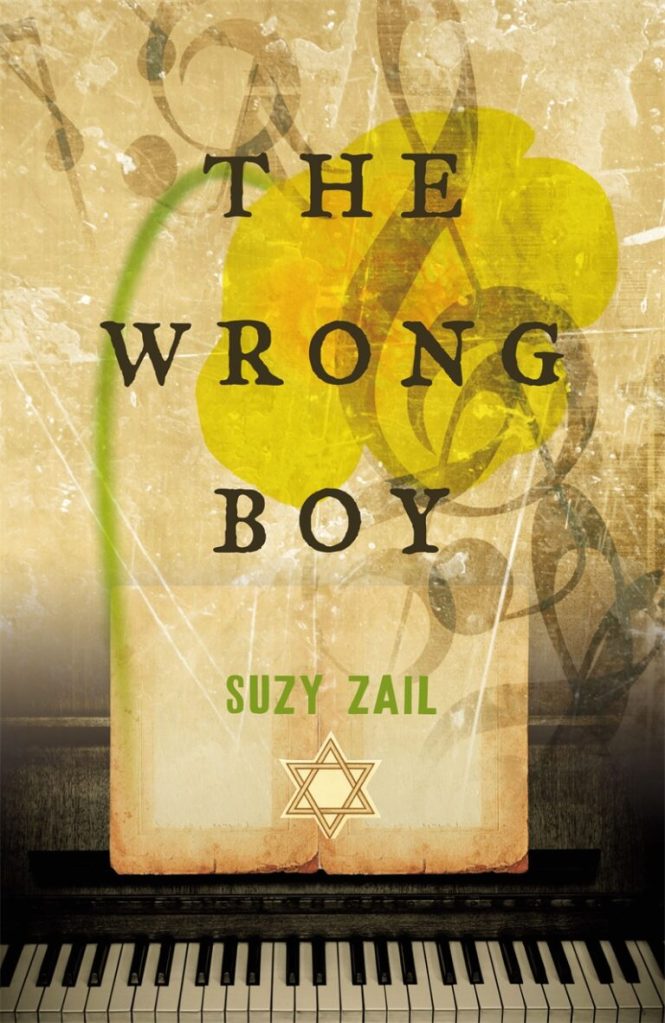
In The Wrong Boy, the main character Hanna is a pianist imprisoned in Auschwitz, and music connects her to the girl she was before the camp. The music she plays for the Commandant doesn’t change her circumstances, but it preserves a part of her identity that the camp is trying to erase. Her piano playing also becomes a means of survival, even though being forced to perform for the Nazis tarnishes something she once loved. And it gives her an escape, she can hide between the notes.
In both stories, music and art show how creativity can help people hold onto their humanity and find moments of hope, even in the darkest circumstances.
Paige is a big fan of hyper-realist painter Zaria Forman. Why is this artist a good fit for Paige’s interests and concerns?
Zaria is a hyperrealist painter who paints melting ice caps to draw attention to climate change. She’s successful and talented, and her incredibly detailed, lifelike work is changing the world one iceberg at a time. Paige admires the way Zaria combines artistic skill with a cause she cares deeply about and hopes one day her own work might have a similar impact.
Why is Paige Wilding’s name so apt?
Because she vows to have the best-year-ever and live loud and wild, while she still can. But maybe the thing that makes the name so apt is the quieter revolutionary act of being truly herself, and owning her disability.
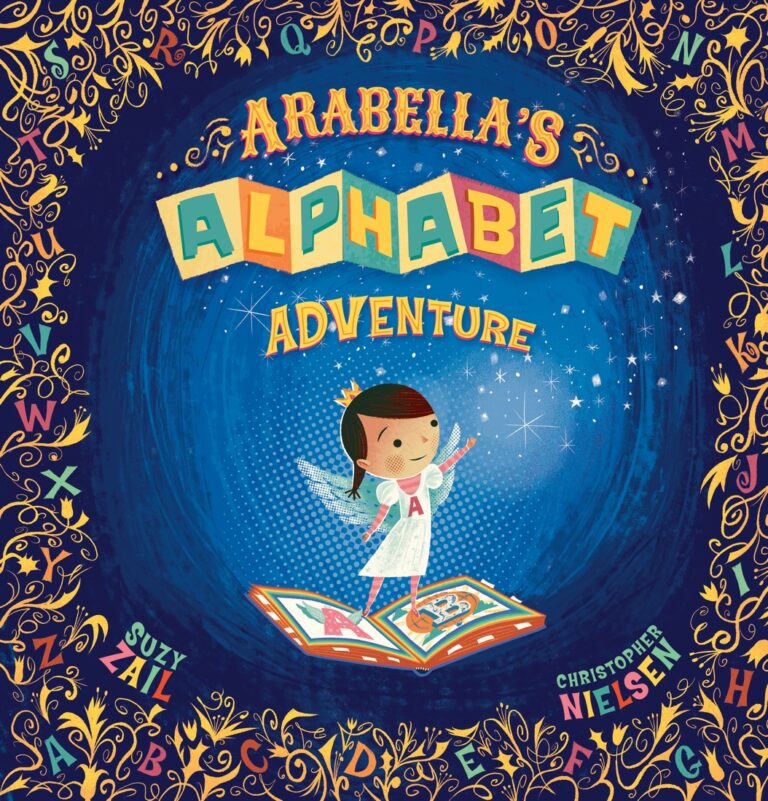
You have published one wonderful picture book, Arabella’s Alphabet Adventure (illustrated by Christopher Nielsen). Could you introduce Arabella to us? How does this book encapsulate your belief or philosophy about the importance of children’s books?
Arabella is an ABC book who escapes the library in search of adventure. Although she is the most beautiful and borrowed book in the library, she longs to be read by adults. Instead, with only 26 letters, she is relegated to the lowest shelf of the children’s section, where she endures sticky fingers and scribbles. When Arabella finds herself on the returns trolley beside an African travel guide, she slips inside and sets off on an adventure with the adults she has always wanted as readers.
She watches lions laze in the Kenyan sun, crosses rivers and sleeps under a sky filled with stars but soon realises she is experiencing all these wonders alone. Not once is she opened or read. Lonely and exhausted, she returns to the children’s section with a newfound appreciation for the little readers who hold her. She no longer dreams of having sentences and paragraphs or sitting on the higher shelves. She understands that teaching children the alphabet and helping them take their first steps toward reading is pretty extraordinary.
I fell in love with libraries and children’s books when my eldest son was born. The children’s section became our favourite place to hang, and we never left with less than twenty books. I came to adore everything about picture books: their playfulness, the way they explore challenging ideas, and the wonderful blend of words and pictures.
After writing novels for older readers, Arabella brought me back to the books that first ignited my love of words. At its heart, her story is about recognising the value of what you already have and understanding that you don’t need to be bigger, more serious or more sophisticated to matter.
You have a gift for writing big feelings. It’s impossible not to relate to and feel compassion for your characters. Could you explain how you write grief – and love?
I try to write grief through the small, ordinary moments in which loss becomes real. In Inkflower, Lisa’s grief isn’t only in knowing her father is dying; it’s in watching him grow frailer and realising that every conversation may be their last. She loves her father but is also frightened, angry and sometimes resentful of the way his illness has taken over their lives. I wanted to make room for all those contradictory feelings because grief is rarely tidy.
In A New Kind of Beautiful, Paige grieves not only her sight but the future she had planned. She grieves the painter she believed she would become and the version of herself who could move through the world without asking for help. Her grief appears as depression, anger, her refusal to use a cane, the paintings she abandons and the way she pushes away people who care about her.
I write love in the same way, through what characters notice and do, rather than big declarations. In Inkflower, Lisa’s love for her father is in her need to understand the past he has kept hidden and remain close to him as he grows weaker. In A New Kind of Beautiful, love is the difference between being wanted and being truly seen. Ben is attracted to Paige’s beauty and status, while Zac listens to her, challenges her and makes space for her to change.
For me, grief and love are inseparable. We grieve because we love, and often it’s the threat of losing something that reveals to us who, and how fiercely, we love.
A New Kind of Beautiful at Walker Books Australia
Read more of our interview in Magpies magazine September 2026


