
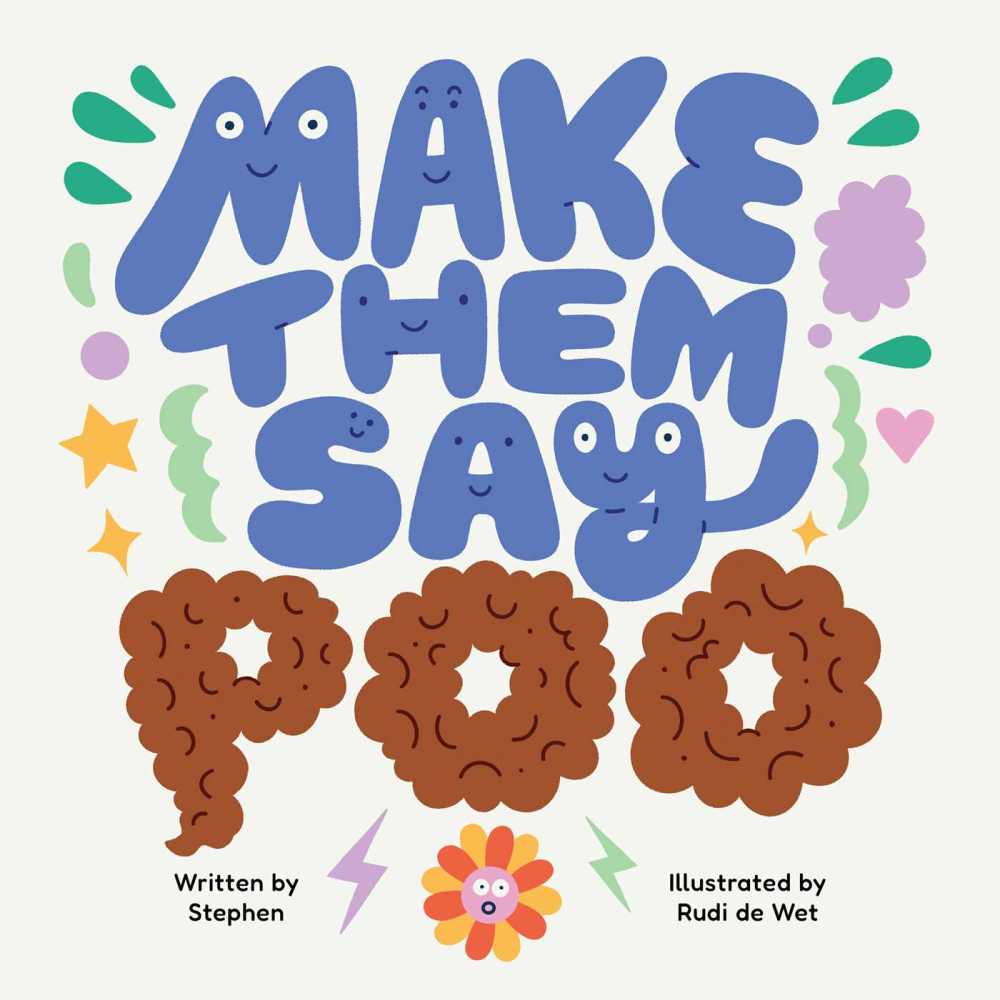
Make Them Say Poo: a gross book perfect for giggles by Stephen (Steve MinOn), illustrated by Rudi de Wet
(Affirm Press, Simon & Schuster)
Make Them Say Poo: a gross book perfect for giggles is a subversively funny picture book filled with hidden surprises. It delights in trickery, wordplay and fun.
Thank you for speaking to PaperbarkWords, Stephen.
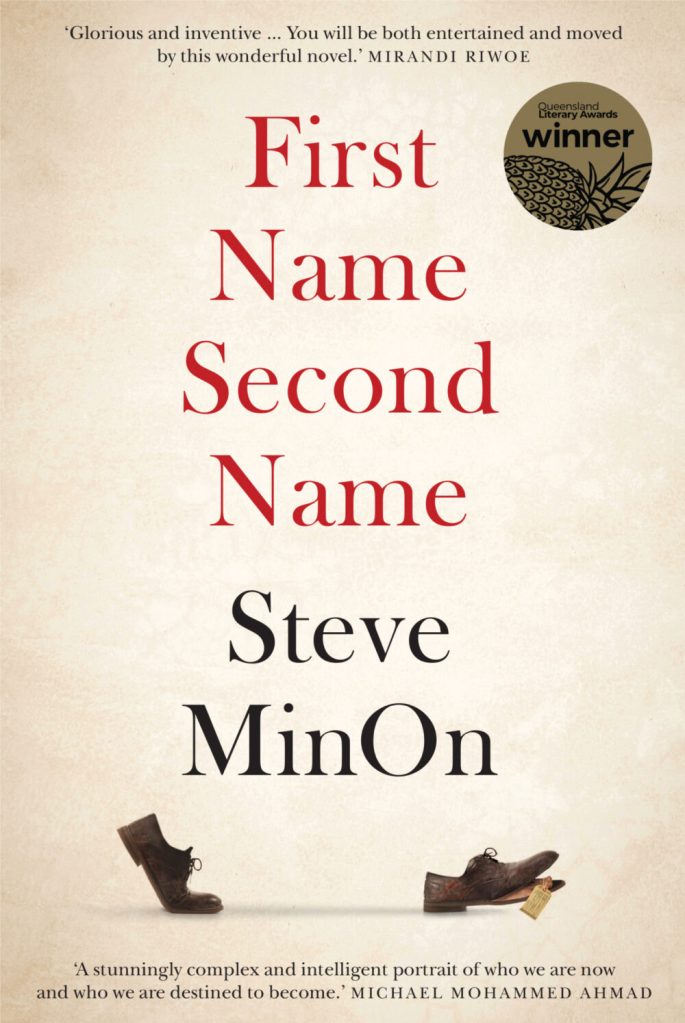
You blazed onto the literary scene with your acclaimed satirical novel First Name Second Name. Why now a picture book? Could you describe your trajectory from literary fiction to a picture book about poo?
When I was touring my novel, I found it hard to sustain my seriousness about the issues I had written about. I had to keep a lid on my sense of humour or be accused of being dark. When I made the pivot to writing Make Them Say Poo, I felt I didn’t have to edit myself. I could just be funny. Writing the book was like taking an artistic holiday from the need to be serious all the time.
Names are important to you, and you have fun with aliases. Could you please introduce yourself, your book and your narrator?
Because authors are meant to stay in their lane or risk confusing their audience, I felt I should write Make Them Say Poo under a pen name, Stephen, which is the name that my mother uses when I’ve been naughty.
But Stephen is not a narrator. He’s a provocateur, a co-conspirator who invites the child to trick their parent or carer into reading the book aloud. When they do that, they stumble on the word poo, hidden inside other words like shampoo, so they become the butt of the joke.
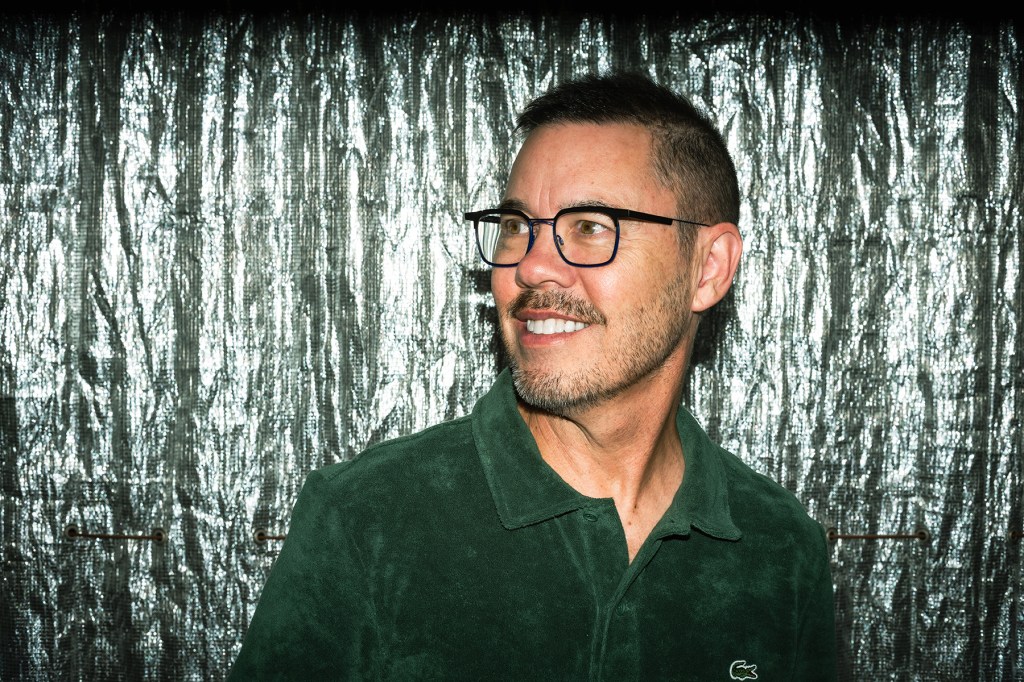
In my auto-fiction novel, First Name Second Name, the corpse protagonist is also named Stephen, which is another alter-ego of mine. But he’s not so much a provocateur as he is a proxy, working things out after his death, things that I had been unable to work out in my own life before I wrote about them.
Why poo?
One of the first forms of humour enjoyed by children is the humour of surprise, where something appears unexpectedly and incongruously. Like a face appearing from behind peekaboo hands. But there’s also an awkwardness around toilet training that all kids pick up on. They realise that poo tickles the tension surrounding a taboo. So, they like to mention it at inappropriate times for the effect, of making adults feel uneasy. This is a kind of power being exerted. I thought it would be good to harness that power, to give kids agency over their reading experience and to encourage an enthusiasm for it.
What feedback have you witnessed or heard of when children and adults read this book?
I was told by a friend (a parent) that it was difficult to remain straight-faced, knowing the word poo was coming. Parents need to play along, though, because the real joy in the book is allowing yourself to be set up by your child and for it to be like a prank. There’s a lot of parent/child relationship building happening in a reading session where control is handed over to the child. The parent gets to prove they can be a good sport, and the child realises that hanging out with the parent can be fun.
Have you heard of alternate versions that your readers have invented after reading your book?
I have received a lot of suggestions for sequels. Most of the words have that element of disgust, but it’s not that easy to make them all work. There’s a real art to being able to find a word that appears like poo does within other words, pronounced the same way and within a self-contained syllable. There is a sequel mentioned on the final page of the book, but you’ll have to read the book to know what word it is.
What is something readers may not notice or be aware of in a first reading of Make Them Say Poo?
Most books have a protagonist, but in this case, the protagonist is the reader who is speaking in first person and experiencing the embarrassment and disappointment and horror of being caught out in real time, saying the word poo. There is a narrative arc that the reader finds themselves caught in, where they’re surprised at first, then annoyed and then resigned to the fact that no matter how much they try to keep it clean, they will inevitably say the word poo. This is a metaphor for life. We always find ourselves in the poo so we may as well laugh it off.
Your text is in rhyme. Which part was the most difficult to get right? Which part are you happiest with or laughed the most at?
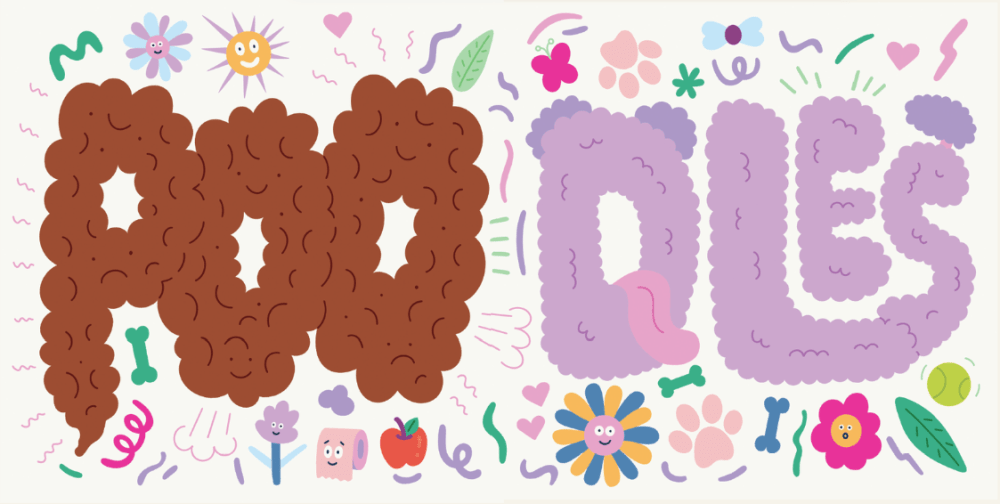
I find the writing of a perfect rhyme incredibly rewarding. There’s something very satisfying about mining your vocabulary for the word that moves the narrative forward but at the same time surprises the reader in rhyme. It was like a kind of puzzle to do that throughout, knowing that the set up to the revealed word (containing poo) needed to feel inevitable, as if it was always going to be that word. I’m quite chuffed to have rhymed “nice as apple strudel” with “puppy school for poodles”. That was like winning the rhyme lotto.
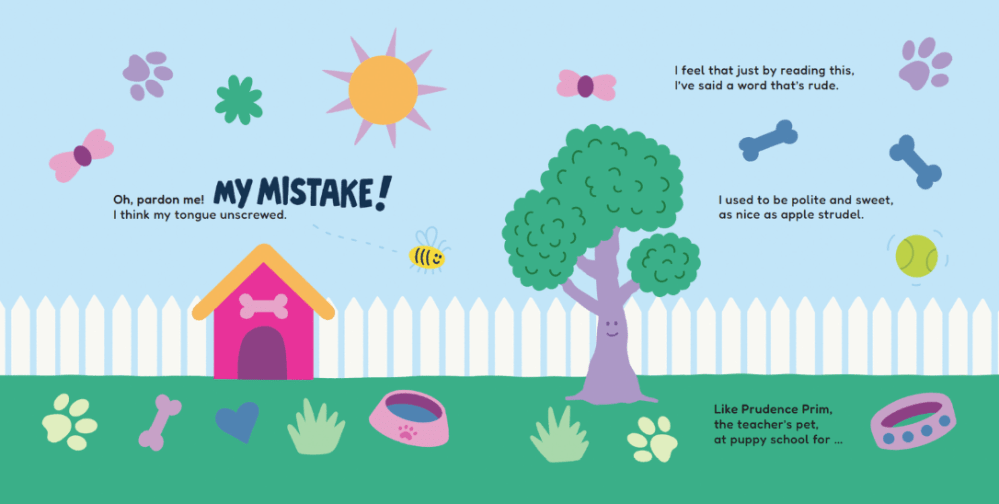
Spread from Make Them Say Poo
What might children learn from this book?
Children, I hope, will learn they can build humour into their relationship with their parent or carer. But also, that playing with words is a fun thing to do, that they can communicate in clever ways and that people will respond positively when they do that. I want children to know that words have power and that the most powerful words are the ones that entertain the people around us.
Rudi de Wet has illustrated the book. Is this a pseudonym? Could you tell us something about him? How has Rudi captured your content and tone?
I know why you’re asking me that. You couldn’t get a more rude name than Rudi, nor a more toilet adjacent surname than de Wet. But that’s just his name. You’ll have to ask him where it comes from. I will tell you that Rudi de Wet was the first name I thought of when I was thinking who might illustrate Make Them Say Poo. He’s one of the world’s best hand-drawn font illustrators, having worked on many famous poster and design projects around the world. I knew he could bring out the character of the poo words but he’s added so much to every other word in the book, so much personality and fun.
What is your favourite illustration and why?
The Shampoo spread is my favourite. There is so much going on in that spread. The rubber ducky, the soap, the little toilet roll that appears on other pages too, and of course the wonderfully lumpy poo in the perfect shade of brown.
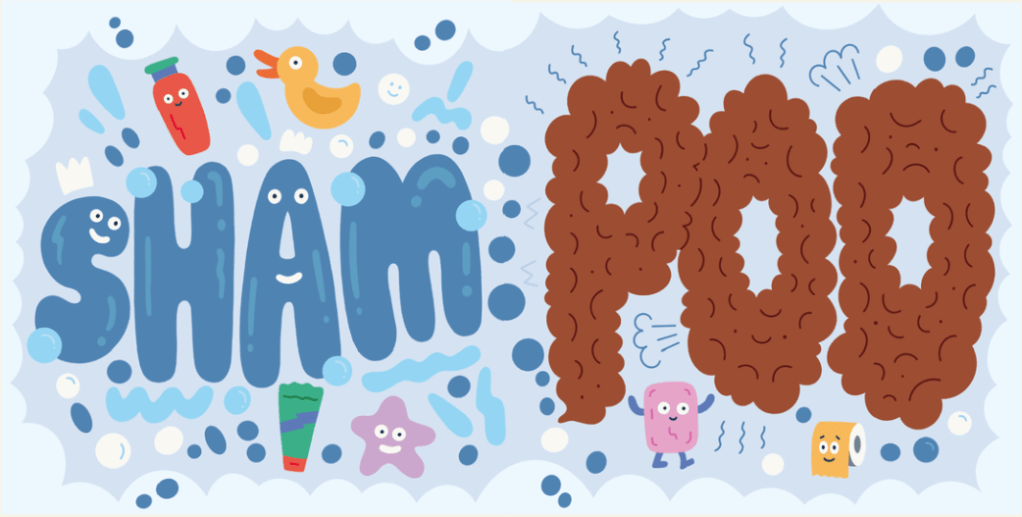
Spread from Make Them Say Poo
Thanks for your responses, Stephen. I’m sure that many children – and those reading with them – will be having a lot of fun with Make Them Say Poo.


