
‘Crime, romance, fantasy and coming of age: the epic adventure of writing across middle-grade genres’
By A. L. Tait
Guest author post by the amazing Allison Tait about writing across middle-grade genres for Joy in Books at PaperbarkWords blog
When I visit schools for author talks, I always tell students that the number one question I am asked everywhere I go is this: ‘Allison, where do you get your ideas?’
And this remains true. (Answer: anywhere and everywhere.)
But I have now been a published children’s author for twelve years, with 13 middle-grade novels hitting bookshelves nationally and internationally. In that time, two new contenders have arisen for that number one question podium spot – mostly asked by adults.
‘Allison, how can you be so prolific?’
And
‘Allison, how come you’re allowed to write across genres?’
The answer to that first question is easy: I am always writing something. If an idea piques my interest, I write the manuscript. At any one time, I have several manuscripts in the ‘not quite right’ folder on my computer. Or in the ‘I love this but I have to meet a deadline before I come back and finish it’ folder (this is a very full folder).
Or simply in the ‘ideas’ folder, where I have dumped a whole lot of dot points that might be ‘something’ one day.
So when I finish one project, there’s always another one ready to be picked up.
The second question is a little more complex, but, really, stems from the same creative vine as the first. Because when I write my stories, all of my preoccupations as a writer are there in every story, but by shifting the spotlight, I also shift the genre.
My genre-hopping journey starts with fantasy
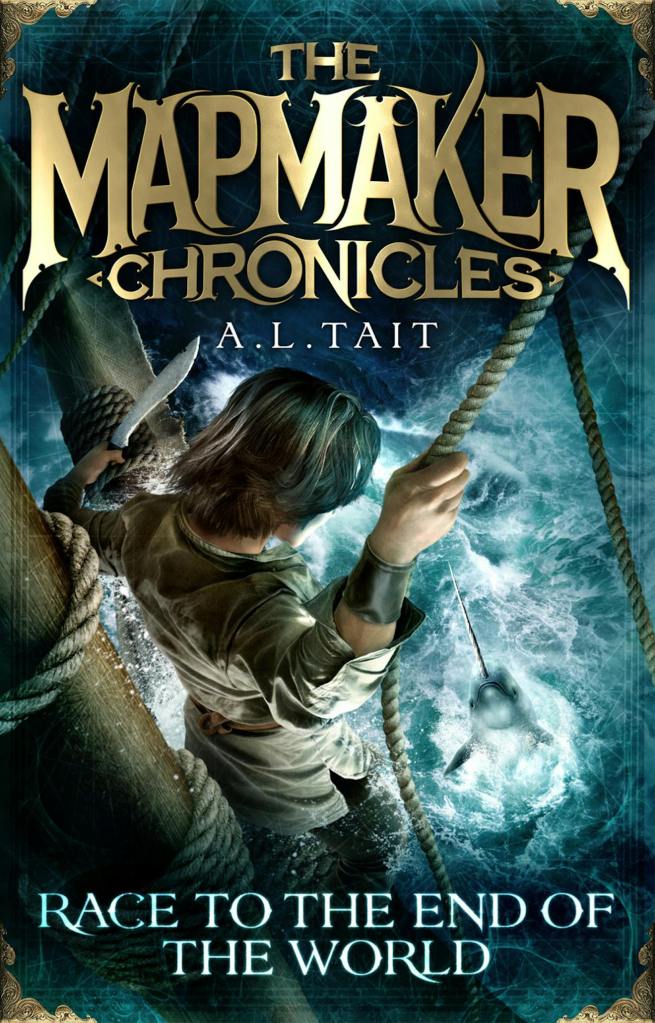
The first middle-grade novel I ever wrote was ‘Race to the End of the World’, book one in The Mapmaker Chronicles fantasy adventure series. It was not the first novel I’d written. Before I ever had a glimmer of an idea about mapmakers, I’d written two unpublished romance novels and three full manuscripts that would probably be described as ‘commercial women’s fiction’.
One of those commercial fiction novels was picked up for publication and then… wasn’t published. I documented the whole sad and disappointing process on my blog at the time, and have spoken about it many times over the years. It’s much easier to talk about it now…
When I wrote that first Mapmaker Chronicles novel, my two boys were nine and six years old, and I wrote the kind of story that they loved. I also loved fantasy stories – everything from The Lord Of The Rings to The Ranger’s Apprentice – but that story was for them. And it allowed me to really find my storytelling voice (which, I admit, I had been struggling with when writing for adults). Suddenly, writing was fun again!
When I look now at the four books in The Mapmaker Chronicles series (published by Hachette Australia), I can see the kernels of everything I love about stories. Adventure and fantasy, yes, but characters you can cleave to, coming of age, a big question right at the heart, friendship, a hint of romance… it’s all there.
With The Ateban Cipher novels, which followed in 2017 and 2018, also with Hachette, I remained in a fantasy adventure world, but this series leans hard into some of my passions – Medieval history and illuminated manuscripts. I read an article about The Voynich Manuscript, was left asking myself why anyone would write a book that no one could read, and I was away, writing myself an answer!
This was also the first series in which I let my own reading preferences start to take hold. Mystery and crime novels will forever be my favourites, in a lifelong reading trajectory that began with Enid Blyton’s The Secret Seven and continues to this day. And there is a very big mystery at the heart of The Ateban Cipher novels.
But at this point, the spotlight in the story remains on the fantasy world, the quest, the hero’s journey.
It’s all mystery from here
By the time I got to the Maven & Reeve Mysteries in 2020 and 2021, I had decided to put the mystery right into the spotlight. Published by Penguin Australia, these are classic ‘whodunnit’ detective stories, set in a world of castles and knights.
I adore both of these characters and the ‘upper middle grade’ complexity of these intricate mystery stories, but, unfortunately, they came out close together into a Covid world and it was difficult for me as an author to help them find their feet.
At this stage, I’m also going to point out the three-year gap between the last Ateban Cipher novel and when The Fire Star (Maven & Reeve #1) was published. Those years were not easy for me as a writer as I left one publisher and looked for another.
When people ask me why I’m ‘allowed’ to write across genres, it’s because we tend to accept that when you write something that ‘works’, your publisher will probably just want more of that. The same but different, so to speak.
Which means that if you’re someone like me, who wants to write the random idea that piques your interest, you also might need to look for a publisher who’s interested in publishing it.
And while you’re doing that, if you’re someone like me, you’re also writing a whole bunch of other random ideas.
Moving into the real world
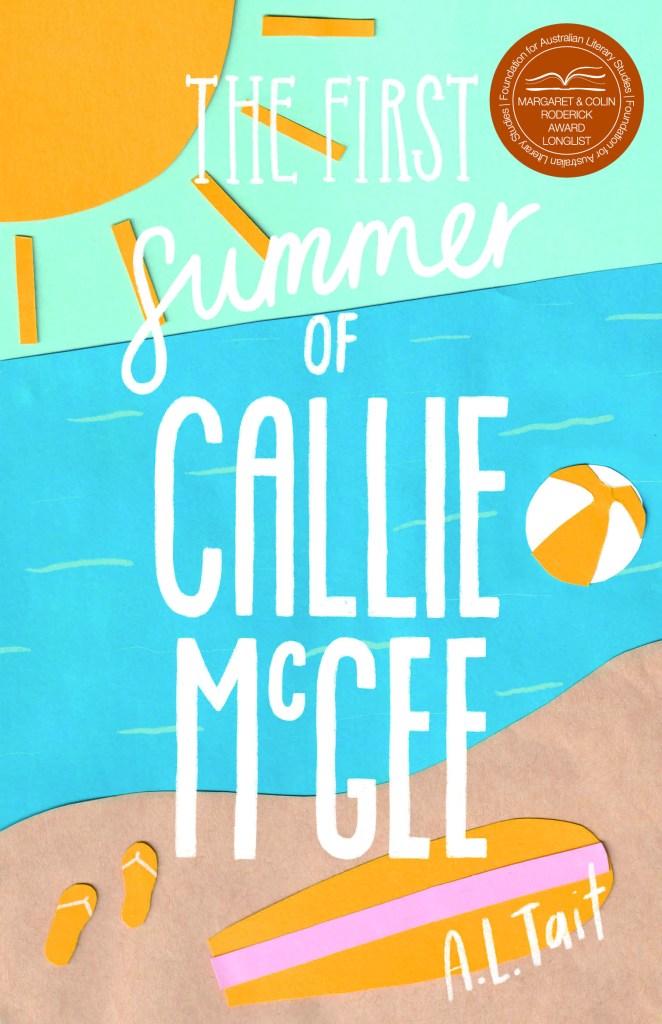
I wrote the first draft of ‘The First Summer of Callie McGee’, which was my first contemporary middle-grade mystery novel, in about 2018. It was different to anything else I was writing at the time, but it reminded me very much of those first mystery novels I read as a kid – the ones that made me fall in love with the genre.
It’s also a coming-of-age story, as Callie discovers how to be the best version of herself, and it was published in 2023 and longlisted for the 2024 Margaret and Colin Roderick Literary Prize. Some stories have a long incubation period.
It was followed by ‘Willow Bright’s Secret Plot’ in May 2025, also published by Scholastic Australia, which features a very different character on her own ‘growing up’ journey, who also finds herself playing detective. As a character, Willow Bright began as a writing exercise more than ten years ago and hung about in that ‘not quite right’ folder until such time as I was ready for her.
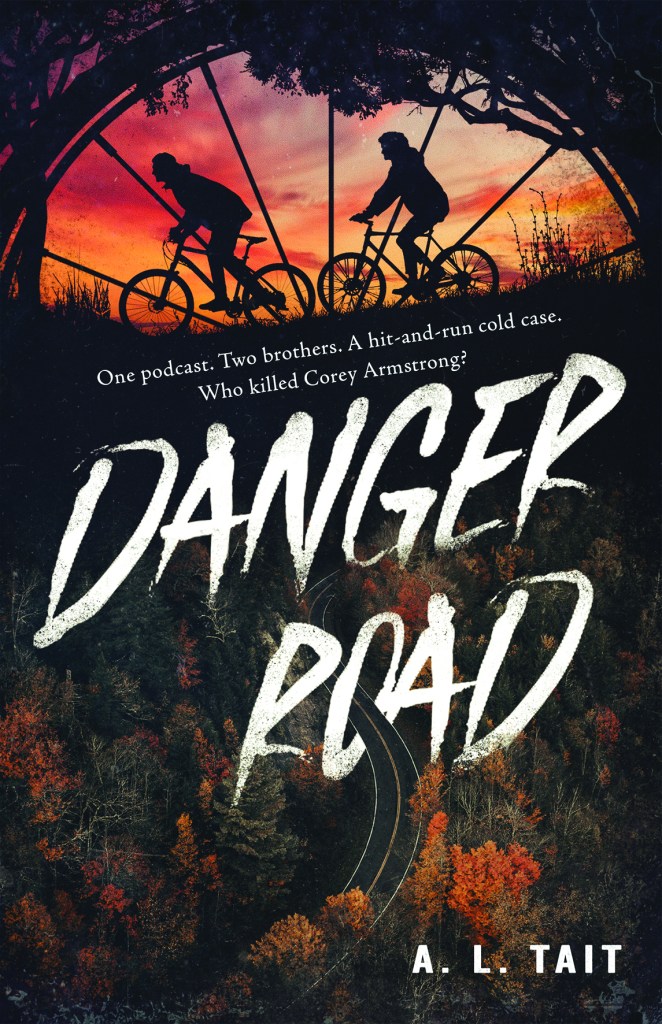
By now, though, the A. L. Tait spotlight was firmly fixed in the ‘mystery’ zone and ‘Danger Road’ (July 2025, Scholastic Australia), is the result. This novel, of which I am immensely proud, was the closest thing that I could write to the cold-case crime novels I enjoy as an adult reader, while still being appropriate for readers 10+.
It was a fast and furious book to write, and I think you can see that as a reader. It was the result of a deep dive into that ‘ideas’ folder and the pulling together of a whole lot of random dot points. (You can read about the inspiration for the story here)
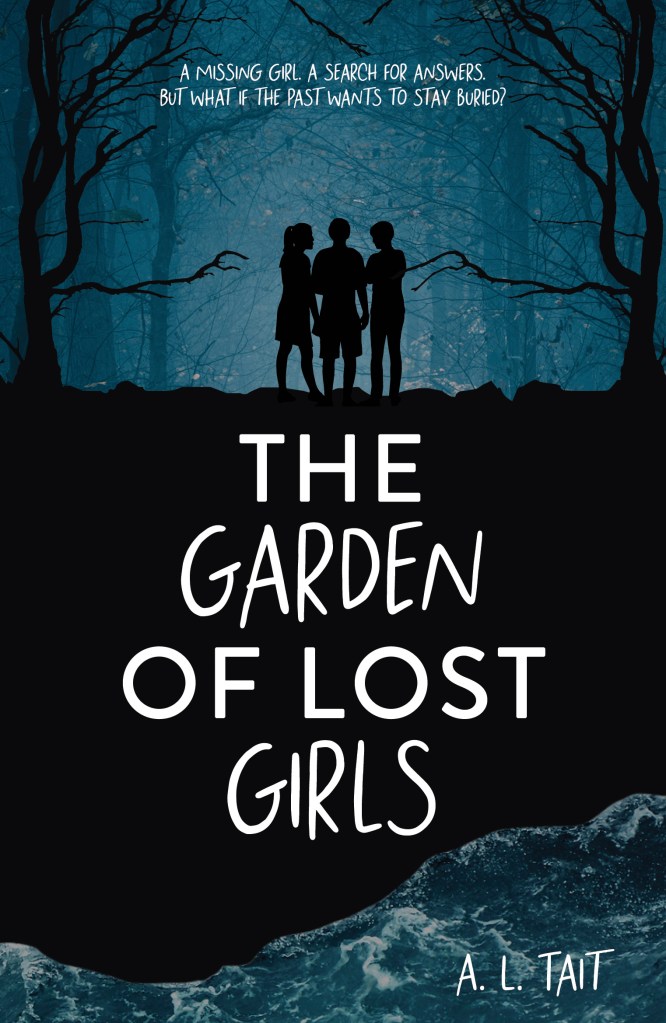
I enjoyed the experience of writing it so much that I immediately began writing a second middle-grade cold-case crime thriller called ‘The Garden of Lost Girls’, which hit bookshops in September 2026.
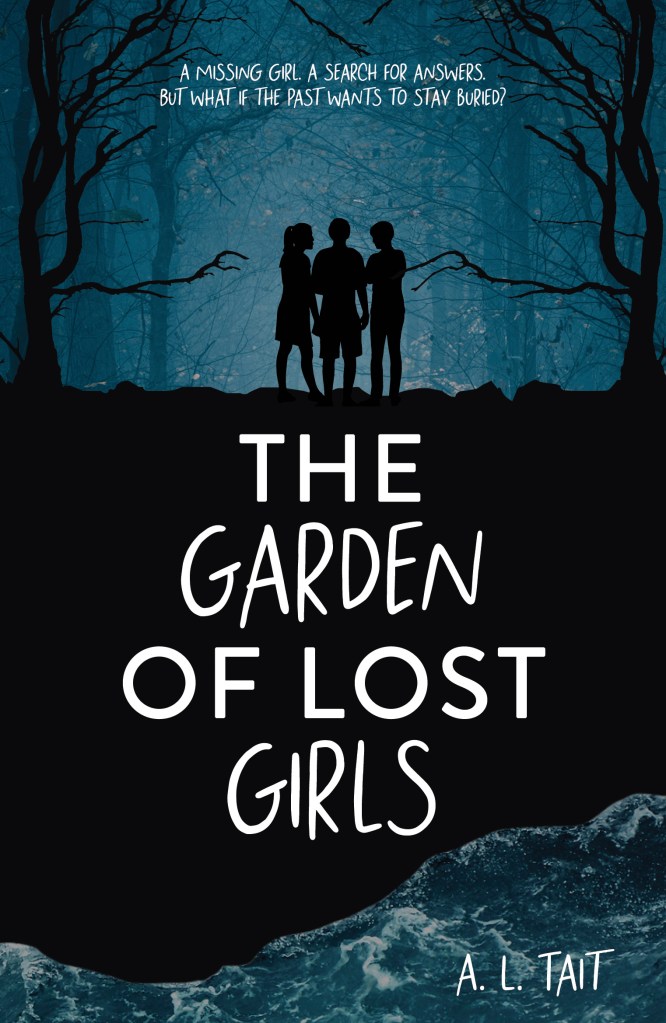
It’s the story of 18-year-old Jessica Martin who has been missing for 30 years, ever since she walked out of the opening night of ‘The Garden of Lost Girls’, the play she had written and directed for her year 12 exams.
But it’s also the story of her fourteen-year-old nephew Sam, who has been dragged into participating in a thirtieth anniversary production of the play. His family is hoping the play jog memories and help to finally uncover the truth about what happened to Jessica.
Sam and his cousins Gracie and Archie decide to conduct their own investigation – but soon discover there is a lot more to Jessica’s story than they realised.
You can read about the inspiration and research for the novel here.
But then there’s…
When I look at my novels in a line, the first eight are set in fantasy worlds, and six of the last seven have been mystery novels in one form or another, with Maven & Reeve providing the crossover point.
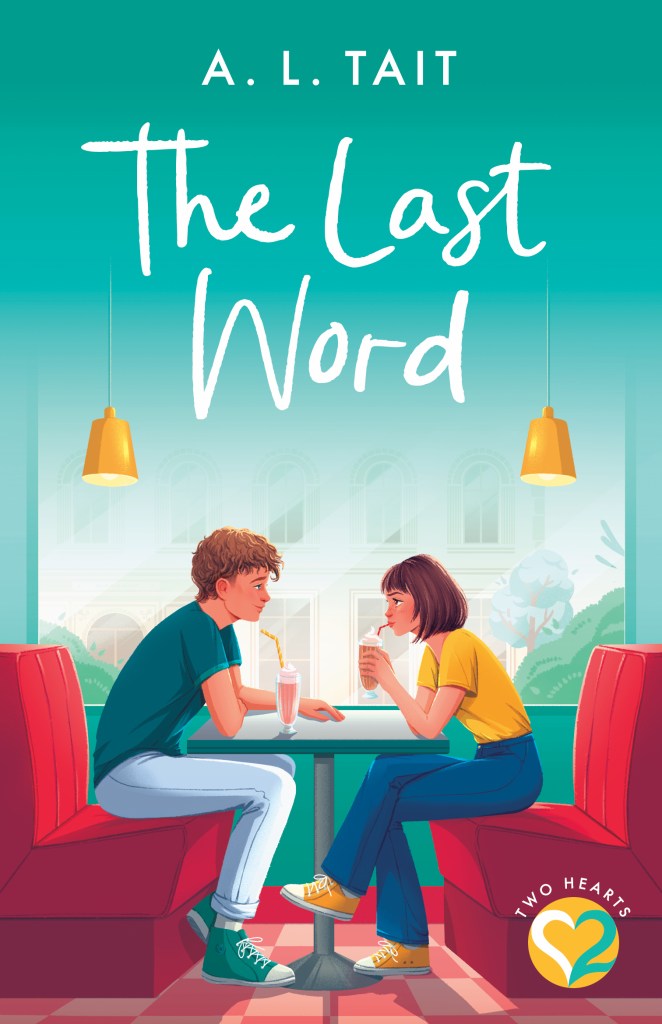
But then there’s ‘The Last Word’, which was published by Scholastic Australia in March 2026, between my cold-case crime novels. ‘The Last Word’ is a pure romance novel written for readers 10+. It contains a lot of those elements I talked about earlier but in this novel the spotlight is firmly on two characters falling in love.
Matilda and Will are in year eight and on the debating team together. They are both dealing with big changes at home and at school and have the usual tween difficulties with friends and family to manage. But the engine of this story is their relationship and their feelings.
When I was invited to write a novel for the Two Hearts series, I felt like it was a full circle moment for me. Remember those two unpublished romance manuscripts I’d written before I ever wrote for children? It turns out that they – and the hundreds of romance novels I read in my teens and early twenties – were the perfect training for writing ‘The Last Word’.
You can read more here about the inspiration for ‘The Last Word’.
Joy’s review for Books + Publishing
Which leaves us…
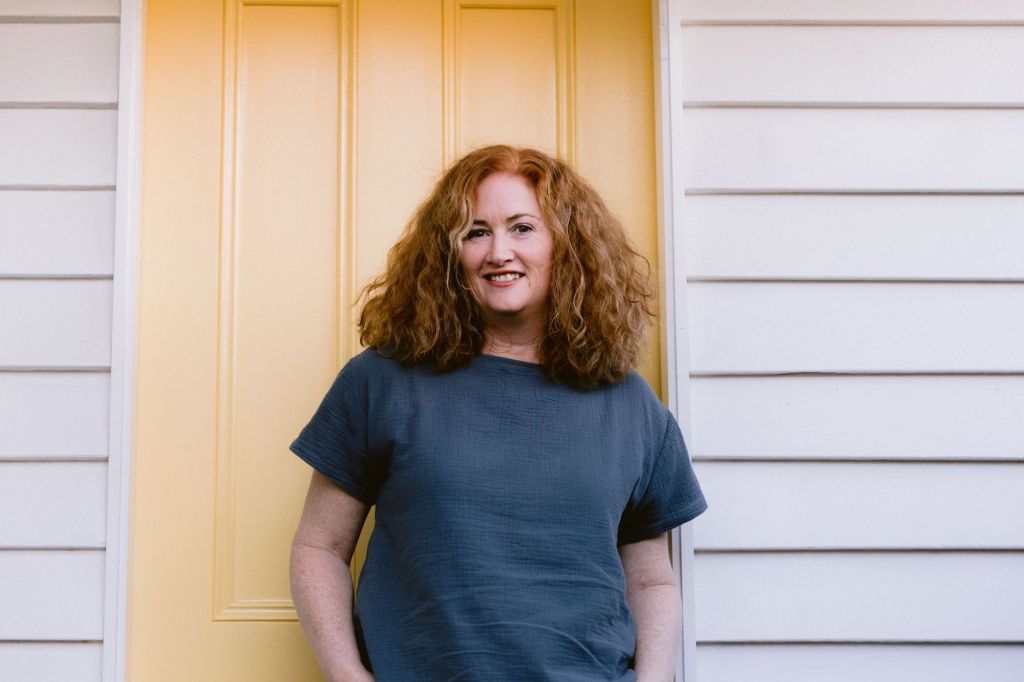
I feel entirely blessed to be a children’s author. And even more blessed to be able to write my stories across a range of genres.
So what’s next?
Well, 2027 brings new frontiers with two junior fiction novels and a picture book on the way!
I’m also currently writing a new middle-grade novel, which is scheduled for publication early in 2028.
Will it be mystery, romance, fantasy or coming of age?
We’ll have to wait and see where the spotlight lands!
Allison Tait (A. L. Tait) is the internationally published, bestselling author of 13 middle-grade novels. Her three epic fantasy adventure series – The Mapmaker Chronicles, The Ateban Cipher, and Maven & Reeve Mysteries – have been shortlisted and longlisted for various awards.
In 2024, her first contemporary middle-grade novel ‘The First Summer of Callie McGee’ was longlisted for the Margaret and Colin Roderick Literary Award. ‘Willow Bright’s Secret Plot’ and ‘Danger Road’ followed in 2025.
‘The Garden of Lost Girls’ is out now.
Allison is the co-host of the top-rating Your Kid’s Next Read podcast, speaks regularly in schools and at conferences and festivals, and teaches creative writing for children at the Australian Writers’ Centre. Find out more at allisontait.com


