
Bethany Loveridge: On storytelling
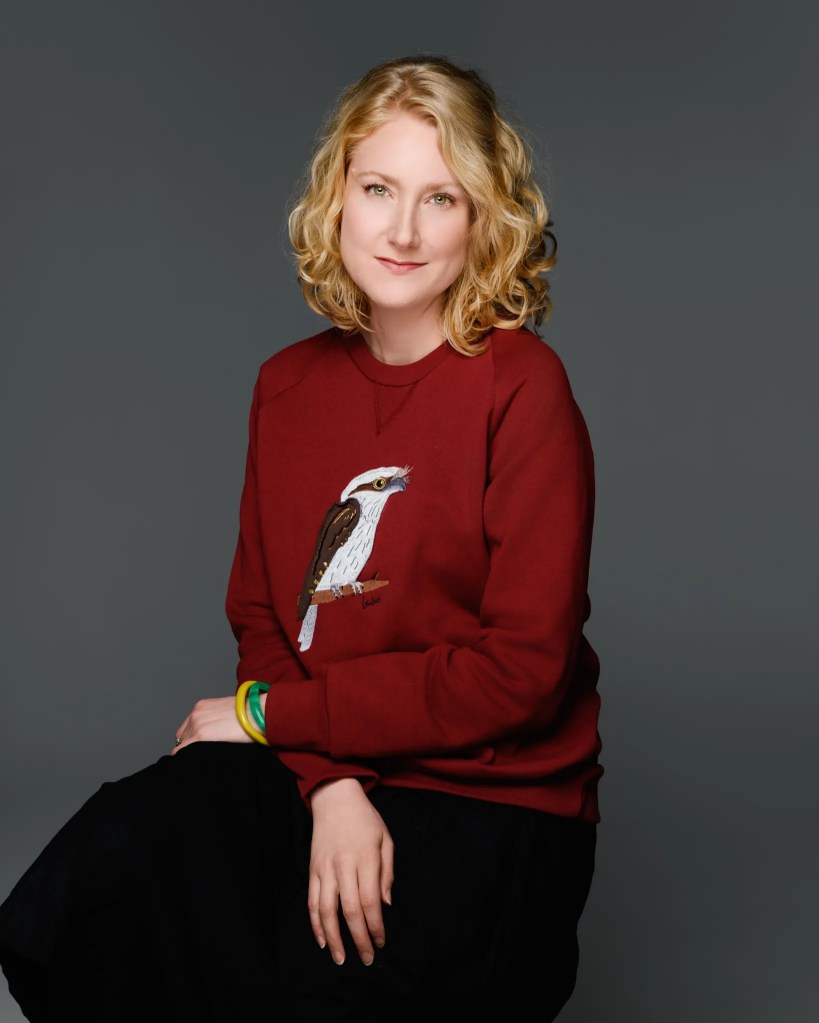
Bethany Loveridge is a significant new Australian talent. Bethany’s books brim with interesting characters and stories. Her books resonate with young readers due to their authenticity and integrity: they meet children where they’re at – and might like to go.
Guest author post by Bethany Loveridge about storytelling for Joy in Books at PaperbarkWords blog
To me, storytelling is about noticing things I feel strongly about and then expressing that using imagination and language. The strong feelings might be joy or wonder, disgust or horror, or it might be that I’m rolling on the floor laughing. If I’m noticing a truly visceral emotional response to something, chances are there’s a story or a story element to be found.
Usually, writers speak about a story germinating from a significant character, place or event and it’s definitely that way for me (I am often inspired by the story world first), but I also hope to express a sense of that emotional pull in my writing too. As a side note, this is what sets human wordsmiths apart from artificial word generators, that cannot ever feel heartbreak or confusion or disappointment (or anything) and therefore could never express it authentically.
As a lifelong story lover who grew up playing outside without smart devices or reliable internet, nature filled my childhood dreams and ideas. The stories I first loved as a young person have a touch of magic and sweeping, fantastical world-building. I think my absolute favourite trope is an impossible choice (you know, where a choice must be made but all options have unacceptable risk?).
Though I first started typing story words in 2017 while on maternity leave, I have been telling stories my whole life. It was storytelling when I created top secret clubs, complete with initiation rituals, membership rules, logos and a decked-out hideout inside a flowering backyard tree or within the swept-up pine needles at school. It was storytelling when I developed a cypher to communicate with my best friend in notes back and forth. And I even count it as storytelling when I lay in bed listening to butcherbirds, or trekked through Nonno’s twelve acre property, staring into towering gum trees and feeling cool mud between my toes. I define these experiences as storytelling because I was noticing, thinking deeply and trying to express big feelings, sometimes in my head and sometimes aloud.
When these kinds of experiences show up on the page in a book, I reckon we as readers can tell. Oof, something hits a little harder. Seems more real. This is what the proverbial ‘they’ mean when they say to write what you know!
As a teacher, I have a story-first pedagogy. Stories are how we connect and without connection, we aren’t invested in learning anything. If you have ever tried to convince 30 twelve-year-old boys to learn about the fall of the Aztec Empire, you will know what I mean! It’s all boring marks on a static timeline until we start hearing the people’s stories. Who they loved and lost, what they believed and feared, the sheer megalomaniacal behaviour of the superstitious leaders, the lack of agency or power of the lower class.
The application in an art classroom is even more clear. Without being aware of the context of an artist’s work, you can’t easily decode meaning. And story (or context) is the only reason some artworks are interesting at all (see every abstract work of art ever).
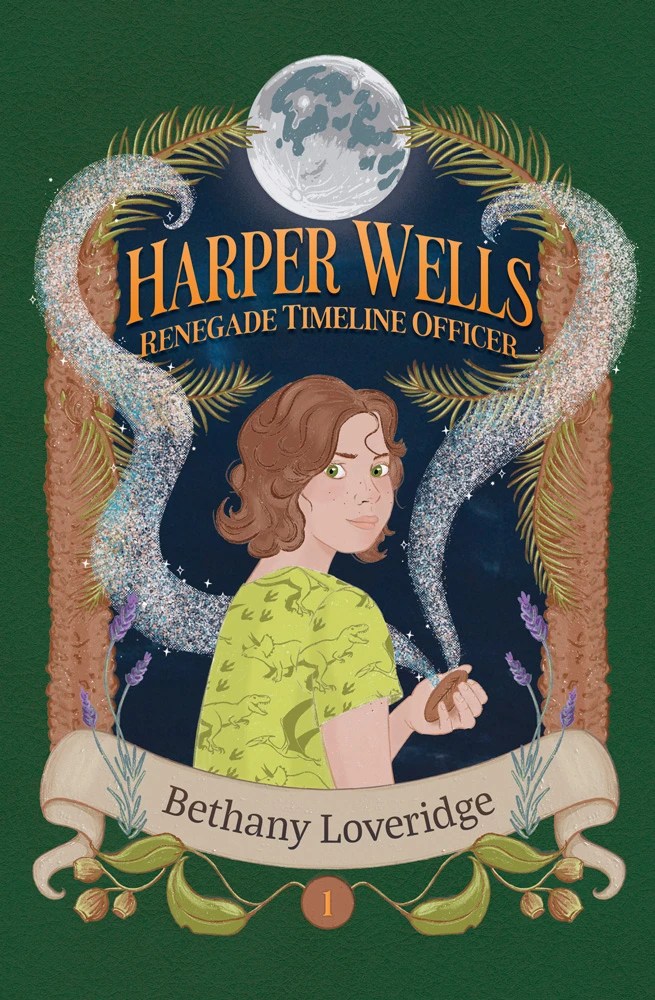
I like to tell the origin story of my debut novel (the first one to be published, not the first one I wrote). The story seed appeared after reading an article about the devastation of the 2019-20 bushfire season, and the special efforts by firefighters to rescue a hidden grove of Wollemi Pine trees in NSW. Sometimes called the dinosaur tree, this endemic pine had disappeared from the fossil record and was thought to be long extinct. So rare and protected, no one is allowed to know the precise location of the grove of trees, in case they trudge through with weeds or root fungus pathogens on their boots.
Reading this news article filled me with curiosity and wonder about a lost species, so much so that I dreamt about the Wollemi Pine that night. In my dream, the Wollemi, an ancient species that has stood watch over Australia’s timeline, were the key to time travel. When I woke, I was eager to plot a story that would capture the heights of what I was feeling, and I wrote the first 7000 words of the Harper Wells series.
What followed those initial ‘easy’ words were hundreds of hours of typing, two mentorships, a residency, half a dozen manuscript assessments, three times as many critiques and re-writes, and probably a year of querying and pitches. Clearly all of these things helped me develop my writing craft, but it would be remiss of me not to mention the number one piece of writing advice I offer to anyone who asks.
Read.
I don’t think we need to read more widely than our interests, and I don’t think there’s risk of accidentally stealing another author’s voice or ideas. At this stage of my time-poor life, I will also DNF (Did Not Finish) a book if I’m not feeling it a chapter in. Slogging through a story I’m not enjoying is a quick way to kill my writing momentum. I can’t tell you why they’re connected, but they are.
Reading Sarah Armstrong has helped me with pacing. Reading Samantha Ellen Bound has taught me characterisation and to trust your reader with a complex story world. Reading Karen Foxlee fills me with such a sense of whimsy and heart and rebelliousness that I’m motivated to cook up something of my own. Katherine Rundell’s words are magical and heart wrenching and Steven Herrick’s words remind me why I love to write for young people.
My reading diet consists almost entirely of middle grade fiction, and I proved myself a big enough fan that I was invited to co-host the @LoveOzMG Twitter account, and then eventually take over managing the Instagram of the same name. My goal is to shout about good storytelling from the rooftops, to encourage Australian aspiring and emerging creatives, and to foster community. I always say KidLit folk are the best kind of people.
When I was invited to write something for Paperbark Words, I sat in front of a blank screen for an awfully long time (sorry) before realising I should muse about the thing I could talk underwater about—storytelling.
Stories are my favourite, and it’s a joy and privilege to surround myself with them, and to have my name on the front of some books, too. If you’re a writer, or you’d like to call yourself a writer one day, I encourage you to notice the things (moments, people, places, ideas) that tug at your emotions. There’s a story waiting for you to tell, and I can’t wait to read it!
Bethany’s books so far:
HARPER WELLS: RENEGADE TIMELINE OFFICER (Book #1)
HARPER WELLS: TIME WALKER (Book #2)
Publisher: Wombat Books
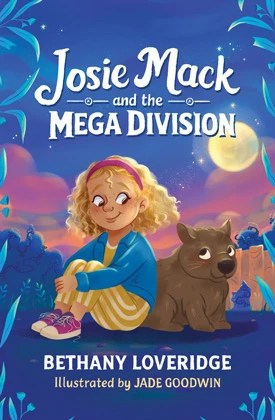
JOSIE MACK AND THE MEGA DIVISION (Book #1)
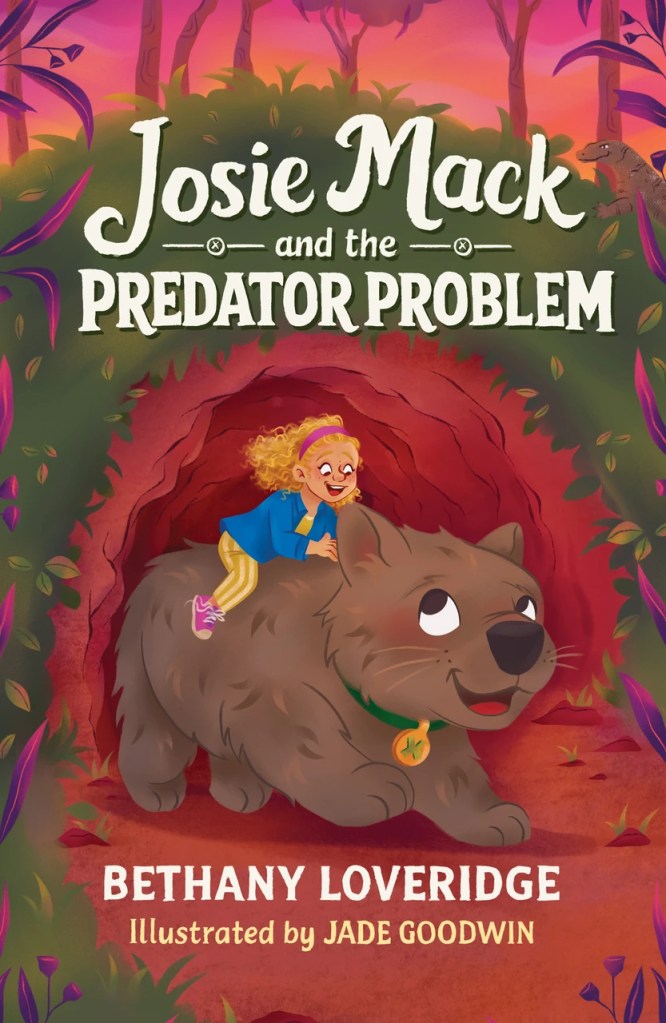
JOSIE MACK AND THE PREDATOR PROBLEM (Book #2)
Publisher: Wombat Books
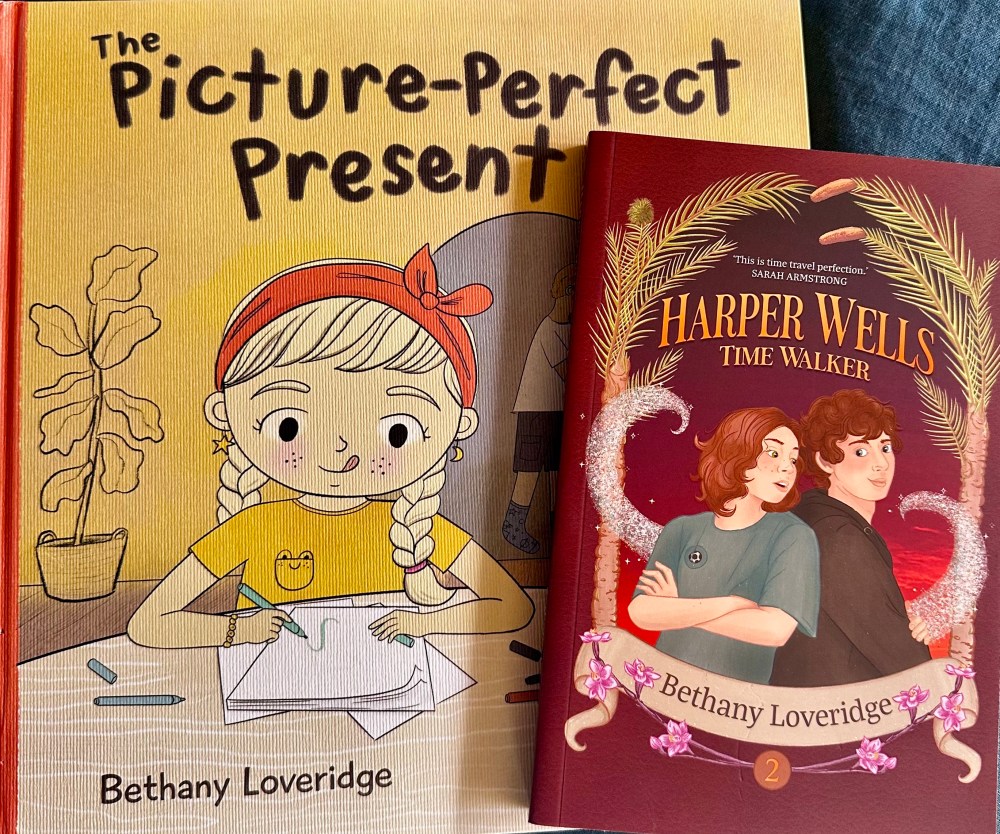
THE PICTURE-PERFECT PRESENT
Publisher: Wombat Books
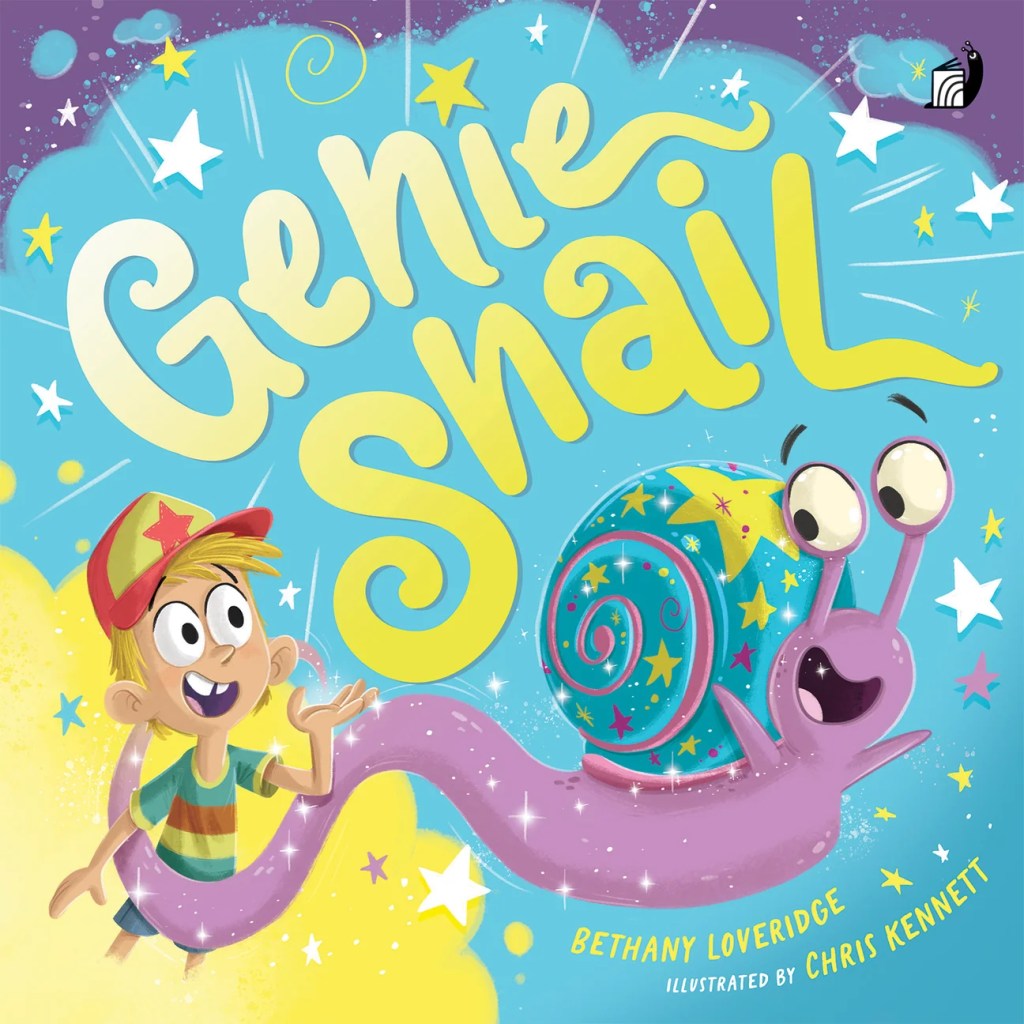
GENIE SNAIL
Publisher: Little Book Press


