
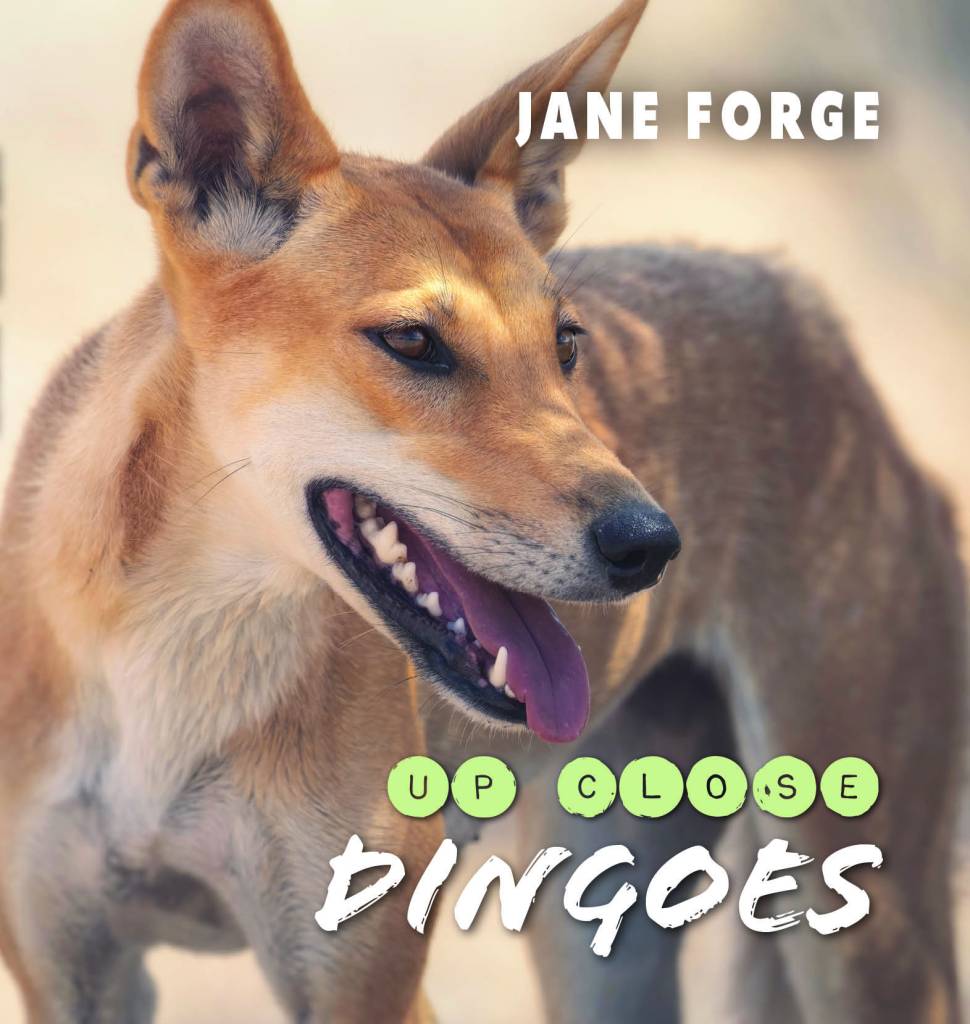
Dingoes Up Close
by Jane Forge
(Wild Dog Books)
Guest author post by Jane Forge about Dingoes Up Close for Joy in Books at Paperbark Words blog
I think my first ‘encounter’ with dingoes came in the form of Dick Roughsey’s picture book, The Giant Devil-Dingo. I found that story quite scary at the time, but it ended happily with the dingo becoming the friend of the Aboriginal people. My parents watched a lot of Channel 7’s The Great Outdoors, so Ernie Dingo was on our television a lot and then finally – finally – on a family trip to Tasmania we visited a wildlife park, and I came face-to-face with the real thing.
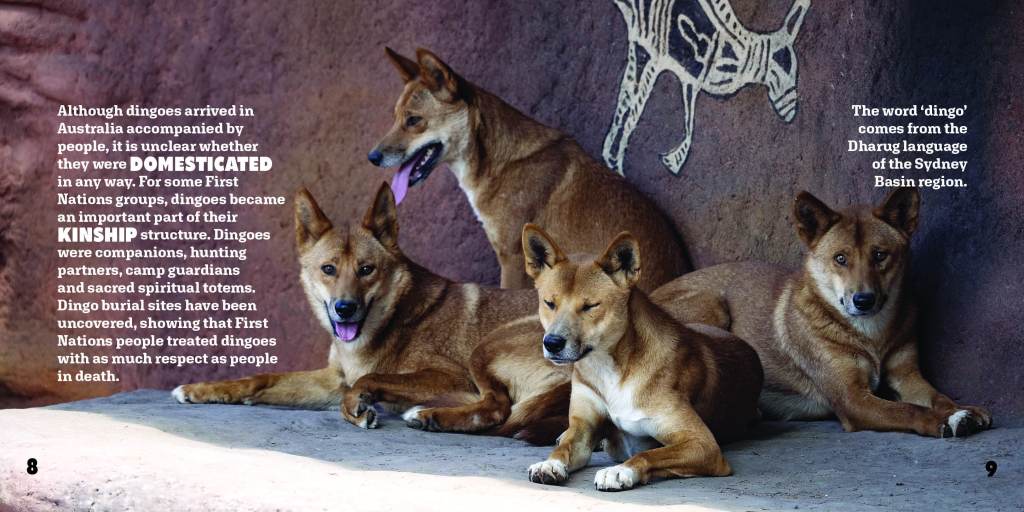
My 8-year-old memories are vague, but I do remember being mesmerised by their pale fur and distinctive brown noses. They were very different from the black noses I was familiar with on the dogs back home. An affinity was born which, years later, drove me to begin researching Australia’s iconic dog.
Australia, unfortunately, has a fraught relationship with the animal itself. All Australian states and territories where dingoes exist practise some form of culling or population management. I understand that farmers want to protect their livestock and livelihoods but it’s difficult to reconcile the trapping, baiting, poisoning and shooting of wild dingoes who are simply existing as they have for thousands of years.
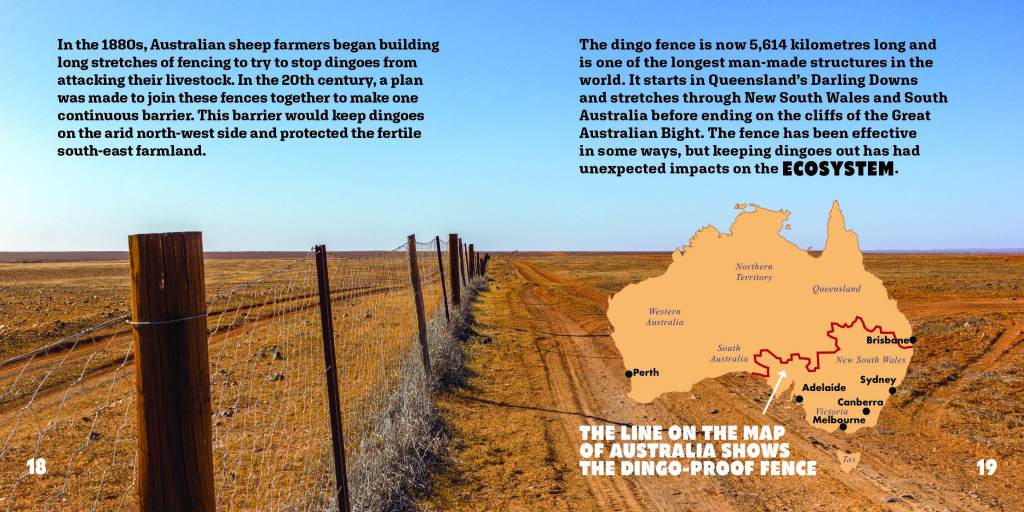
It’s true, dingoes are not native to Australia. They migrated here with humans from South-East Asia between 4000 and 10,000 years ago. However, they have adapted to our uniquely harsh climate and have become integral parts of many ecosystems around the country, including deserts, grasslands, forests and coastlines. A great report by Zoe Kean for the ABC in February 2023 detailed the impact that the Dingo Proof Fence has had on the environments it runs through. On the side with dingoes, there is a higher rate of plant and animal biodiversity. The land stays greener for longer after rain. The side without dingoes is arid, with plants grazed down to the roots by the over-abundance of kangaroos, and small native mammals are hunted to extinction by feral cats and foxes. The effects can be seen from space!
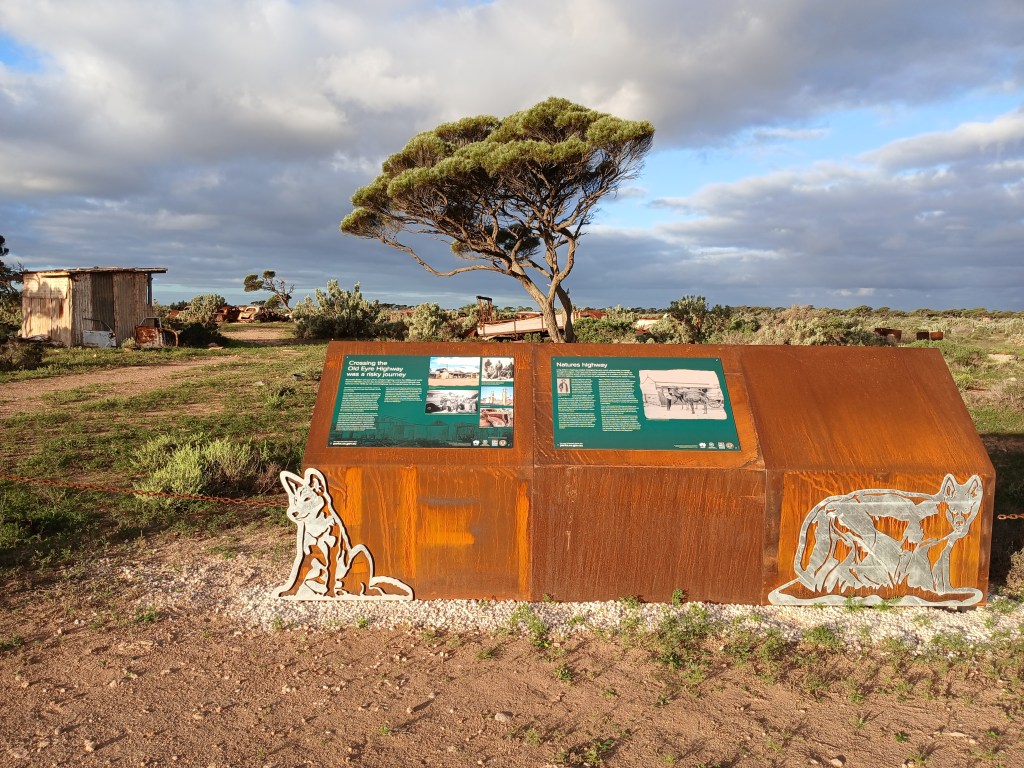
I could not have written this book without highlighting the cultural significance of dingoes. When I drove across the Nullarbor earlier this year, I crossed the lands of the Mirning People and read in depth about their continuing connection to and custodianship of that Country, including the sacred dingo. For the Mirning People, the health of the dingo is deeply associated with the health of People and Country. Many First Nations authors and illustrators have generously shared cultural stories about dingoes with audiences (Dingo’s Dream by Helen Milroy and Dingo’s Tree by Gladys and Jill Milroy) and many collectives are speaking out about the connection First Nations groups have with dingoes, calling for coexistence rather than culling.
Another part of the writing process was working with an expert in dingo studies to fact check all my research. I am very grateful for the expertise of Dr Bradley Smith, dingo researcher and behavioural scientist at CQUniversity, which helped to bring this book together. I knew that the dingo conservation discussion was a complex one, with many stakeholders, and Brad guided the manuscript through the debate with facts, care and passion.
I hope young Australians read this book and are reminded of their pet dogs at home. Though you should not approach them, dingoes certainly are very cute. But I also hope kids read this book and start to get a sense of the dingo’s place in the broader context of Australia’s environmental and cultural history. They are apex predators who balance ecosystems. They are spiritual totems and ancient companions and kin. They are the forebearers of some of our hardest working cattle dogs. They drive regional tourism. They are a national icon.
And there is ample evidence that we can coexist more effectively with them, if we listen to the experts; our Traditional Custodians and scientists.
Jane Forge.
Some of the Experts
Defend The Wild: https://www.defendthewild.org/
Dingo Culture: https://www.dingoculture.com/general-6
Australian Dingo Foundation: https://dingofoundation.org/


