
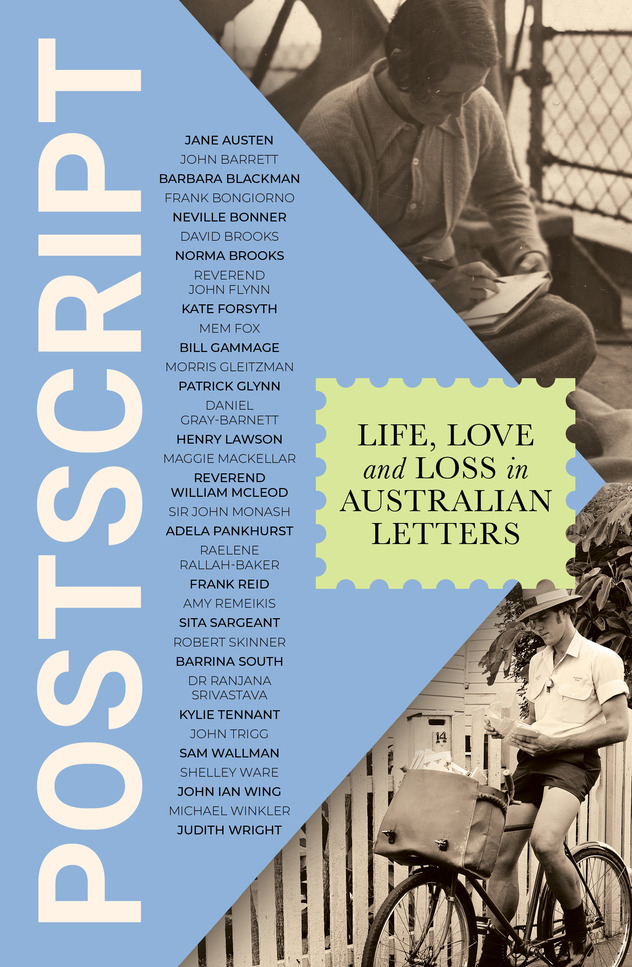
Postscript: Life, Love and Loss in Australian Letters by the National Library of Australia
Publisher Lauren Scott writes about Postscript for Paperbark Words blog
The National Library of Australia holds millions of letters in its collections. In them, you can trace the research of a historian or map the web of literary friendships between our greatest writers. You can sense the great need for—and read of the ongoing work towards—reconciliation. You can see the beginnings of love, and the terrible ends of relationships. You can read about death, about work, about family. The letters the Library collects tell the story of the nation by telling the stories of millions of individual moments.
Letters have a unique power (potent still in faxes and emails, even if not quite the same) as a form of communication. They bridge the distance of place and time, showing the recipient that someone is thinking about them, however tender or important that thought. Intended, usually, for a singular audience, the writer has time to compose their words deliberately. The almost-Reverend John Flynn took an hour to write just 261 of them to his father on the eve of his 30th birthday. His letter was one of the first that we knew we would include in our book Postscript: Life, love and loss in Australian letters. It is incredibly specific to him and that moment in time—two months shy of being ordained, about to move to Beltana in outback South Australia for his first posting—but in his yearning to live up to his father’s expectations there is something powerfully universal. Beyond John Flynn’s letter of gratitude, the book contains missives from people such as Barbara Blackman, Adela Pankhurst, Senator Neville Bonner, Bill Gammage, Henry Lawson, Kylie Tennant, Judith Wright and Jane Austen.
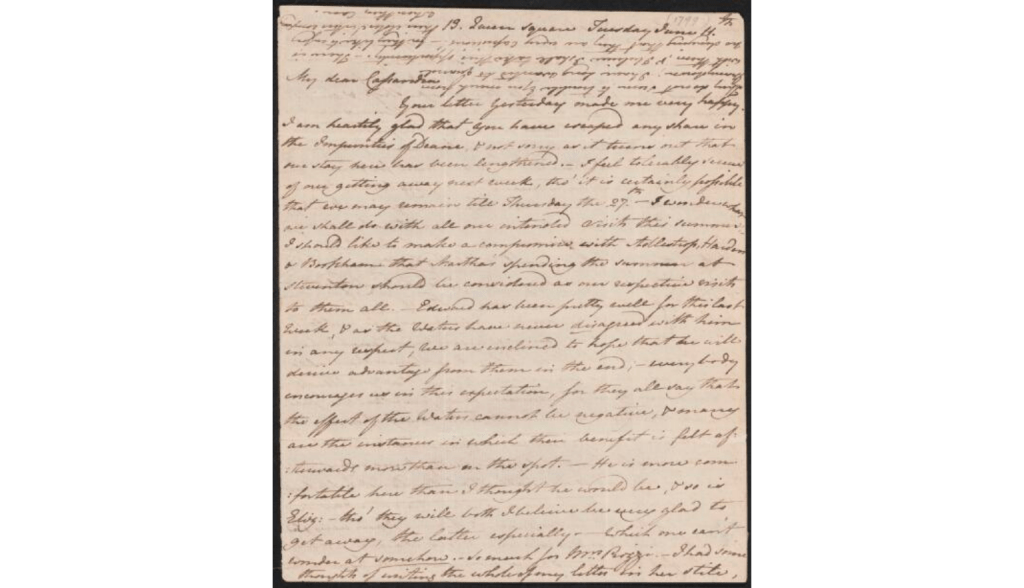
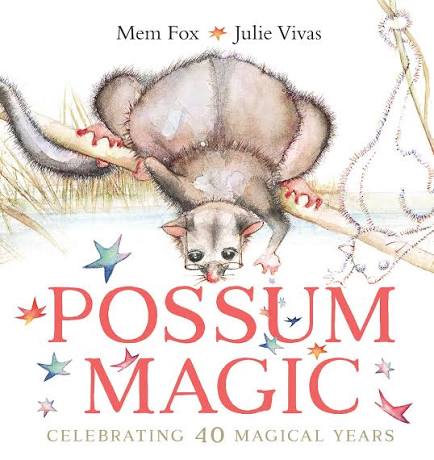
In fact, Jane Austen’s letter has something in common with the faxes between Mem Fox and Morris Gleitzman that are also included in the book. Austen references First Impressions, which had been rejected for publication a year earlier, and would later be published as Pride and Prejudice. Fox and Gleitzman discuss Possum Magic and Worry Warts, both classics of Australian children’s literature. Two hundred years have passed, but both exchanges give a new reader the same electric tingle of sneaking a glance into the private concerns of beloved authors, of seeing behind the publishing curtain.
It was that thrill of revelation that I was hoping our modern authors would find as they joined the project. And by and by, it happened. Some writers took a little time to find the right letters, others seized on one quickly. They were asked then to write a new letter, addressed to whomever they liked (real or imagined), somehow inspired by the original letter from the Library’s collections. Our modern letter writers include Kate Forsyth, David Brooks, Michael Winkler, Amy Remekis, Barrina South, Sam Wallman and more.
Almost all of our respondents wrote to someone they knew. Most of them, despite working from such different starting letters, wrote to someone they love, to parents or children. Dual impulses for our modern writers were also by and by revealed—to understand and make sense of the past, or to somehow shape the future. In this, they were echoing the values that are at the very heart of the National Library of Australia. We hope that Postscript: Love, Life and Loss in Australian Letters will bring you similar moments of reflection and realisation, and then inspire you to write your own Australian letter. Who knows? Maybe it will end up in the collections of your national library, to be plucked out for some future anthology …
Postscript: Life, Love and Loss in Australian Letters at the National Library of Australia
Thanks to Scott Eathorne of Quikmark Media


