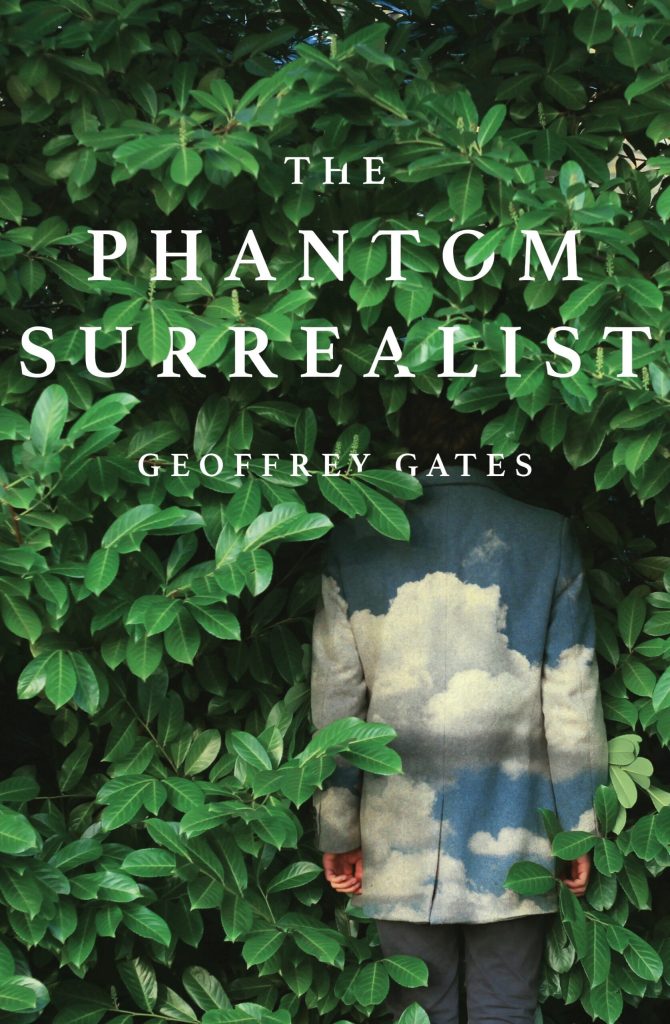
“… Thus I was introduced to that gorgeous Australian surrealist, Robert J. Wake, to whom this book is dedicated.
I have since understood the significance of the painting in broad historical and cultural terms, but what I saw at the time was an amorphous red bulge on a desert landscape under a darkened sky. Dramatic, uneven brushstrokes and built-up texture emphasised torrid storm clouds. In the corner of the picture was the figure of a man with a clenched fist and hollow circular eyes. My gaze returned to the centre; I took the bulge as my own troubled heart, even more so when the skies above Woolloomooloo blackened as if in sympathy with the painting …
Knowing how surrealists value spontaneous action, I hurried from room to room in search of my fellow Wake admirer …” (The Phantom Surrealist)
Those who know me well will recognise that some of my favourite novels are about the visual arts. And what could be better than a surrealist mystery?
The Phantom Surrealist is one of my top two literary novels of the year.
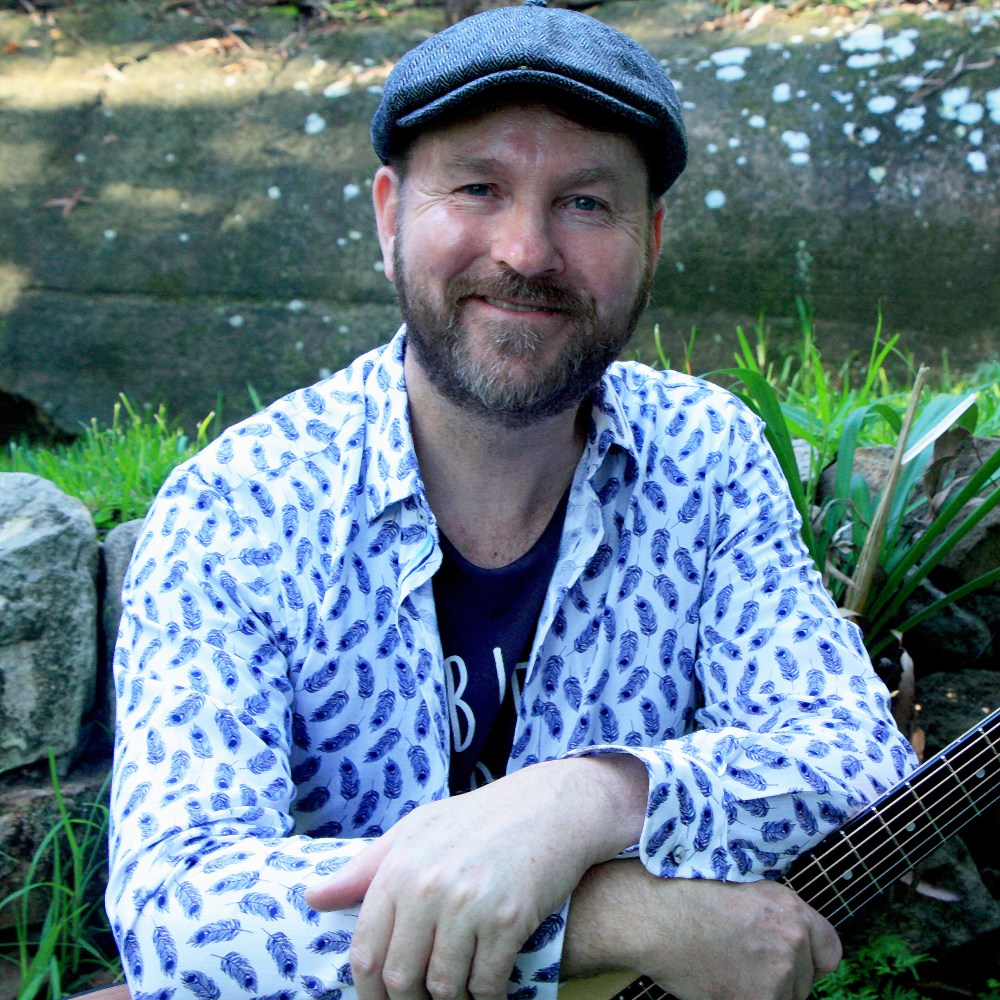
Guest author post by Geoffrey Gates about The Phantom Surrealist for PaperbarkWords blog
The Phantom Surrealist began its life more than a decade ago as I wrote an application for a doctoral program in creative writing. I needed to pitch an idea and an area of research. From somewhere I can’t quite explain, came a synopsis about a disappeared Australian artist, last seen in Barcelona during the civil war. We’d been driving a campervan around Scotland with two creatives (i.e., small children) so maybe my brain was at work on the story without me knowing it. The essential elements of the novel are all there in that initial description: the storyteller; the painter he is researching; the Barcelona setting; the Sydney origins. I have always loved the city of Barcelona, and the Spanish Civil War was something I was drawn to as a topic and wanted to learn more. I’d also had the idea of making my artist a painter (rather than a writer), even though I knew that would be quite a challenge. One of the joys of writing is finding the unexpected. Having invented an Australian artist with a connection to Barcelona, one afternoon about a year later I was in Canberra visiting the National Gallery when I came across a painting by a little-known Australian surrealist, James Cant. The painting was called ‘Returning Volunteer’ (1938) and showed a soldier with hollow eyes and a lost limb, standing alone in a desert landscape. I thought the subject was the Great War; only later did I realise the ‘volunteer’ must have referred to Spain. It wasn’t the only example of synchronicity as I wrote, read and visited galleriesand archives; such moments spurred me on with the feeling that the story was just within reach if I kept at it.
In some senses, this is a very usual human feeling. When we decide to pursue a career, for example, we base the decision on a narrative, we imagine ourselves as the protagonist in a life story, and then we do what it takes to make it happen. But just as life surprises us, how a story unfolds in fiction is only partly known at the start. When I began to write the novel, I decided to try first person, with a would-be academic as narrator, rather than a straightforward focus on the lost artist’s life. That was another moment of inspiration; a hunch about a way of approaching the story – and soon I felt I had my storyteller’s voice.
Geoffrey Gates
Other aspects of the story – themes or motifs – draw from experiences I’ve had, or perhaps conversations in my head over many years. I lived in London in my twenties, and Germany in my late twenties and thirties. My travels away from Australia were in the jet age but still I experienced the distance from home and the feeling of being misunderstood and often judged. My painter – Robert J. Wake – left Australia in the Depression years when boat travel was modern and Australia really was far flung. I read accounts of Australian modernists in the 1920s to 1950s, from writers like Patrick White and George Johnston, to painters like Margaret Preston and Sidney Nolan. I read memoirs, art biographies, accounts of the Spanish Civil War, works of fiction on related and unrelated matters. Inspiration came from places I visited (all the main settings in the novel) and people I met along the way.
There is much more to say but thoughts run endlessly from one thing to another, and the question of inspiration can be answered quite simply. I had an idea and started researching, and what I found out in the process fed the novel in unexpected ways.