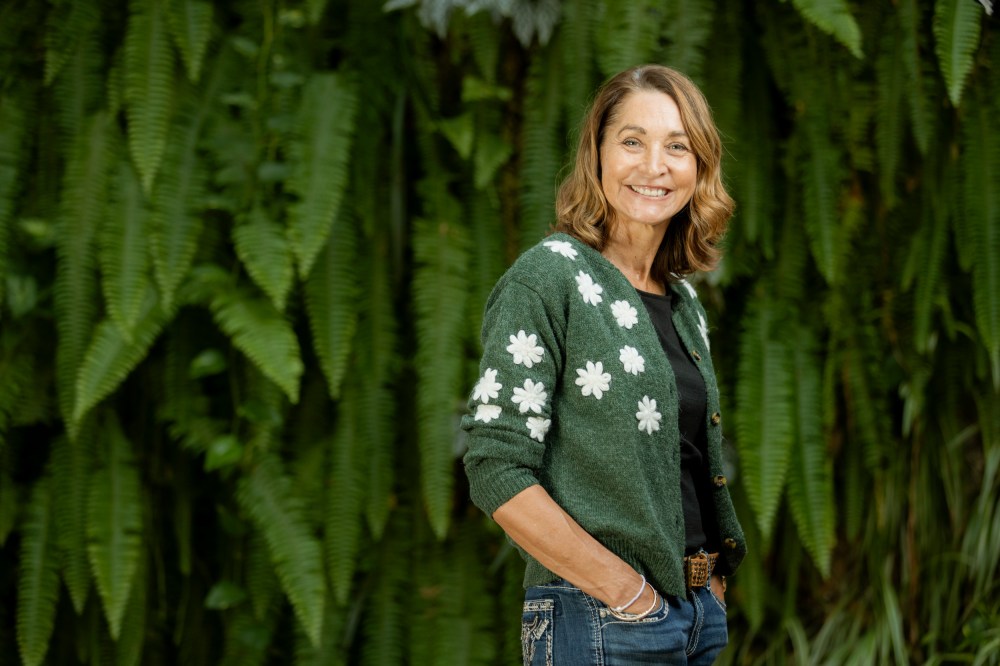
Samantha Wheeler
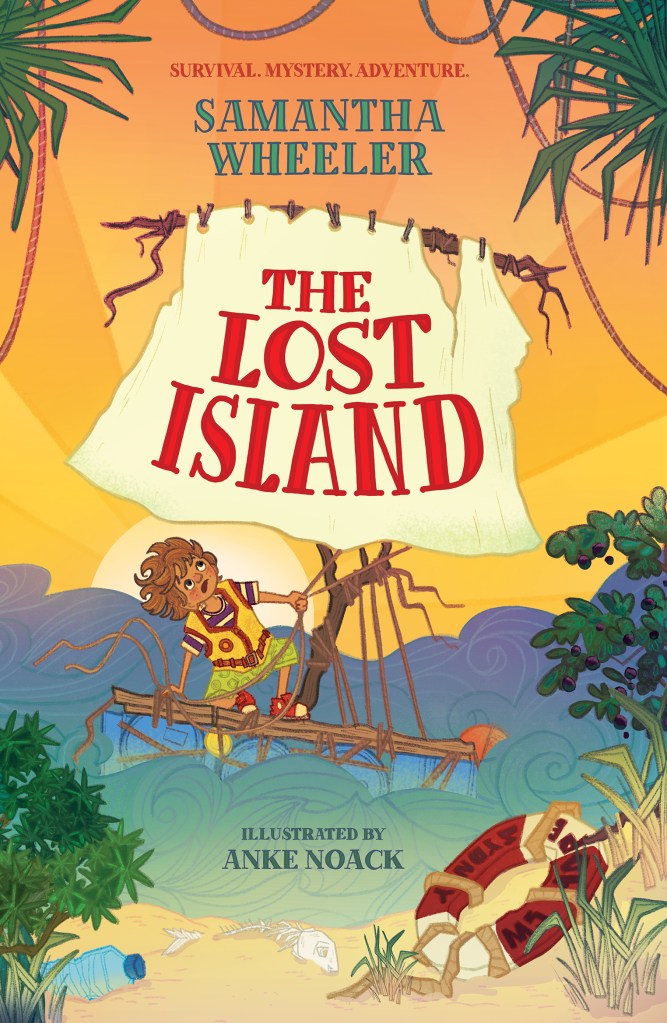
& The Lost Island
Author Interview: Samantha Wheeler
Samantha shares her thoughts about nature and her new middle-fiction novel, The Lost Island, with Joy in Books at PaperbarkWords blog
Wonder Before Worry. How books can help children develop closer connections with nature by Samantha Wheeler
A connection with nature goes beyond simply being outdoors.
We sometimes talk about “nature” as though it is somewhere else. We go into nature. We visit the natural environment. We take children out into the bush. But humans aren’t visitors to the natural world. We are part of the same intricate web.
Anyone can walk through a forest, along a beach, into a garden, without really noticing it. But picture the person, the child, who sees the tiny mushrooms appearing after rain. Who stops to watch a spider carefully rebuilding its web. Or wonders where the birds go at night. There is an important distinction between being in nature and feeling connected to it.
How do we capture this connection? Foster this sense of wonder?
Nature connectedness is not just about how much time a child spends outside. It is about how they feel about and understand their relationship with the natural world. When a child begins to see themselves as part of nature, they develop a sense of belonging, which not only makes them feel good about themselves, but makes them more likely to value our planet. Which is where children’s books play an important role. Stories have the power to make us feel, belong, understand, empathise. Stories encourage curiosity, fascination, and excitement. But best of all, stories can awaken a lifelong love for the natural world, reaching the reader in a way that facts and information often can’t. When we feel tension, wonder, fear, relief, or empathy alongside a character, we are not just learning about an environment—we are experiencing its importance through story.
What does this mean for authors, parents, teachers and librarians?
It’s tempting to focus on the lesson when creating nature-based stories.
Recycle.
Don’t use plastic.
Save endangered animals.
Stop climate change.
These are important messages, but research suggests that overly didactic stories work against the very connection we are trying to create. Children don’t enjoy being lectured to, especially at a time when many already experience eco-anxiety and climate despair.
Think about the difference between telling a child that a particular animal is endangered versus introducing them to a story character who spends time observing, understanding and caring about that animal. Rather than beginning with fear, we could begin with wonder. Then, when children encounter the bigger environmental challenges facing our planet, they already have something worth protecting.
Nature-based fiction doesn’t always have to be about saving the rainforest or stopping climate change however. It doesn’t even need to explicitly teach an environmental lesson. A story about a child exploring a rocky coastline can foster curiosity about marine life. An adventure about a child stranded on a desert island can reveal the importance of understanding tides, weather, shelter and natural resources. A character who observes an animal closely can encourage readers to think about that animal as a living being with its own needs and behaviours.
This is how emotion transforms nature from something readers know about into something they feel connected to.
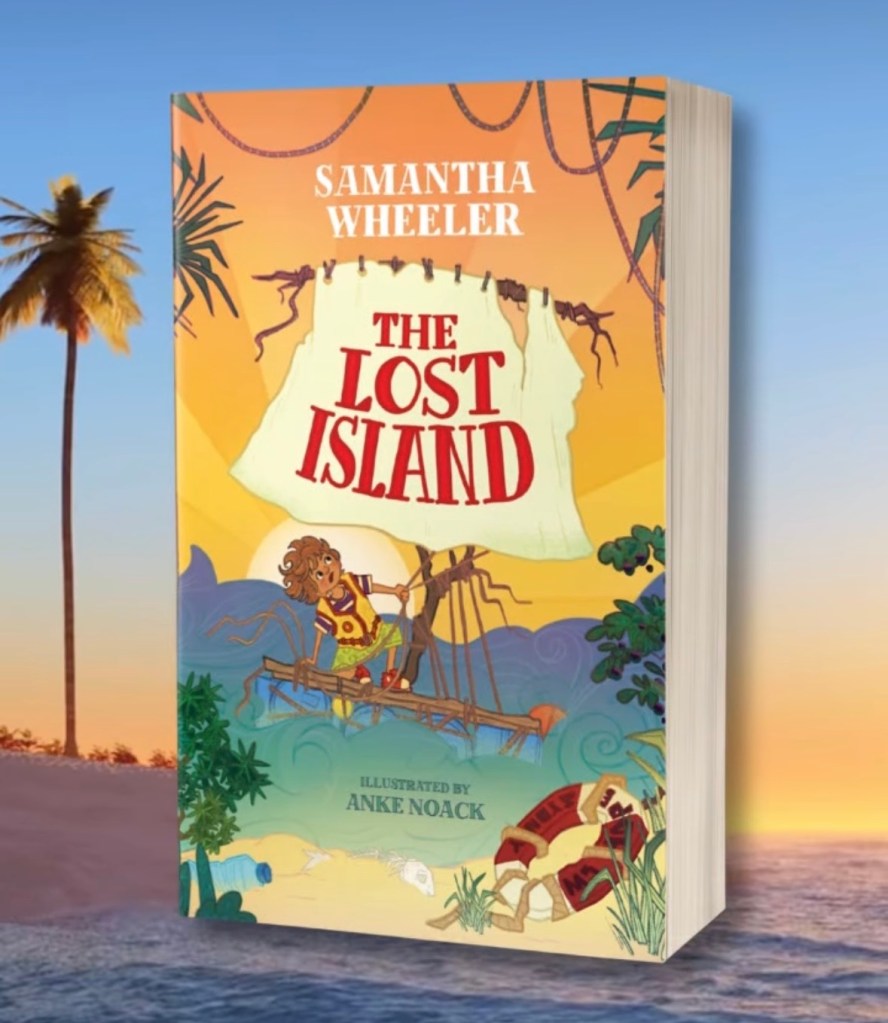
The Lost Island.
When writing The Lost Island, I knew nature couldn’t simply be a backdrop. I wanted my main character Theo, to learn to see himself as part of the island, intricately connected to it. In order to develop a true nature connection, I needed him to realise that survival isn’t simply about finding food and building shelter, but about understanding and working with the natural world. The tides matter. The weather matters. The animals matter. The more Theo observes, the more he learns.
Ultimately, The Lost Island is thrilling desert island survival story, full of action, mystery and adventure. It is about courage and hope. It’s sometimes funny, sometimes sad. There’s a cantankerous donkey, strange birds who wail eerily in the night, and a very unusual antagonist who seems to belong to another time. My hope is that readers will experience the natural world alongside Theo, rather than giving them a series of environmental facts. I didn’t want to write a book that said: Here are ten things you need to know about how the weather. I wanted a reader to think, Hang on… something’s changing. The clouds are building, the bees are hiding in their hives and the cicadas have gone quiet. Oh no! A storm! What’s Theo going to do?
That’s the difference between learning something because you have been told it and learning something because you are emotionally invested in what happens next. A nature-based novel isn’t simply a lesson disguised as a story. The story must come first. The reader becomes invested. And when that happens, the questions and the connection come naturally afterwards.
For parents, teachers and librarians, this opens up exciting possibilities. A nature-based novel becomes a starting point for conversations about science, geography, sustainability, ecology, empathy and stewardship — without turning itself into a lesson.
After reading The Lost Island, for example, children might want to investigate tides and the moon, explore how animals adapt to island environments, consider what they would need to survive without modern technology, or investigate the delicate relationships within an ecosystem.
Such a book becomes a doorway to wonder and curiosity. And once a child is curious, there is no telling where that doorway might lead.