
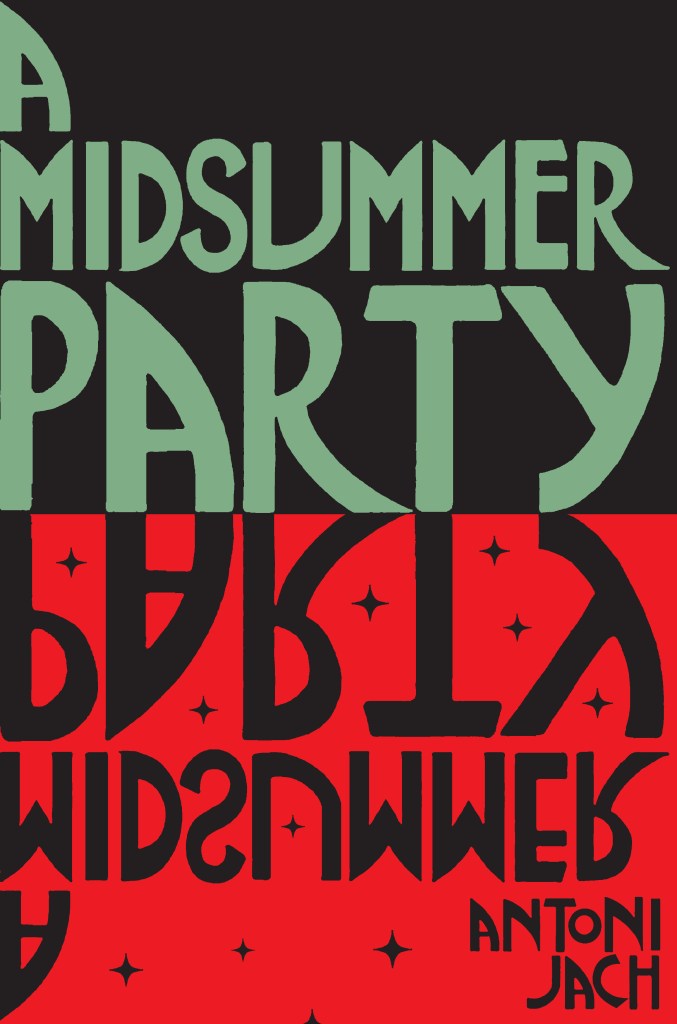
A Midsummer Party by Antoni Jach
(Transit Lounge)
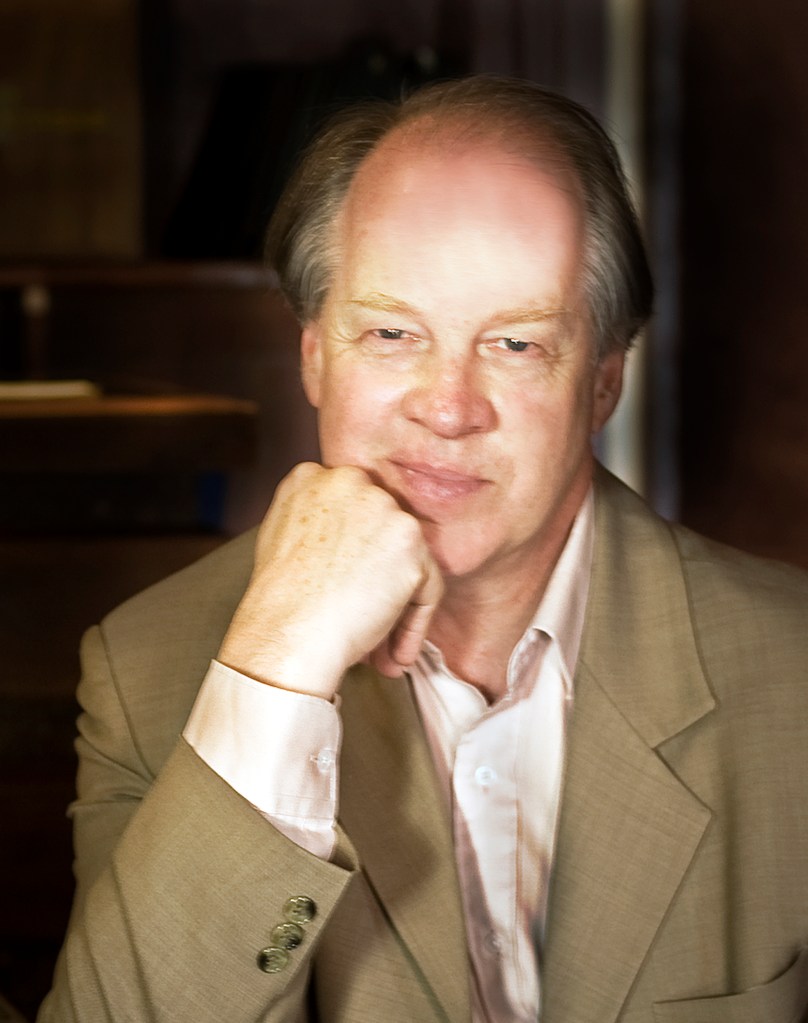
Esteemed writer Antoni Jach, the author of Travelling Companions, shares the inspiration for his new literary novel A Midsummer Party with Joy in Books at Paperbark Words blog
Introduction
The main setting for A Midsummer Party is a party in Rome and then in the last third of the novel the setting changes to the interior of a Frecciarossa high-speed train travelling between Rome and Milan. There are 107 images (mainly my photographs) embedded in the novel.
The inspiration for the writing of my novel A Midsummer Party has six aspects: my previous novel, Travelling Companions, the city of Rome, oral storytelling, plays and playfulness, paintings and novels with embedded images.
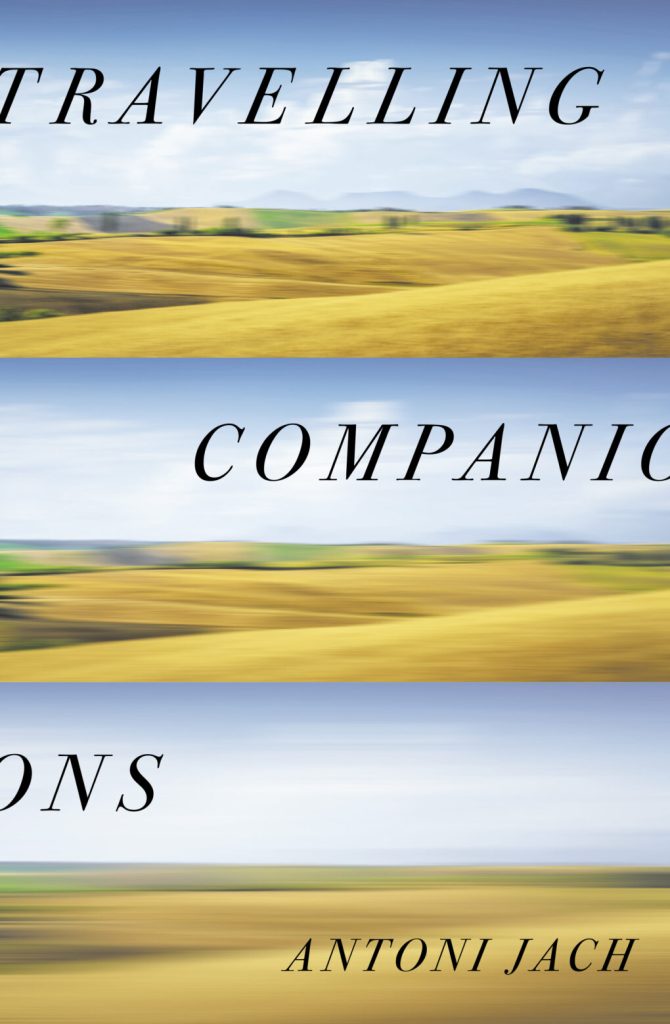
Travelling Companions
A Midsummer Party which is a sequel of sorts, emerges out of and then diverges from my previous novel, Travelling Companions. In that previous novel, my characters travel from Spain to Rome via Paris by train so in this latest novel I thought I would have my characters spend time at a party in Rome before two of them would travel to Milan by train. The only character who reappears in the party novel from my previous novel is the narrator. A Midsummer Party can be read as a stand-alone novel.
Rome
I first went to Rome in 1980 and I was overwhelmed by the experience. I had flown from Melbourne to Athens and then I had taken the ferry from Patras to Brindisi.
Athens was charming and small scale whereas Rome was both monumental and intimate – I was enthralled by Rome then and I still am now. I was in Rome last summer and I took some marvellous photographs of the light on a hot summer morning striking the ochre-coloured buildings and throwing dramatic shadows in a style that reminded me of certain Edward Hopper paintings.
Oral storytelling
One of the main themes of A Midsummer Party, as was the case in Travelling Companions, is oral storytelling; a sub-theme is what makes a story a ‘good’ story and what makes it a ‘bad’ story?
Plays and Playfulness
I put aside the writing of A Midsummer Party to write a play and so when I returned to my novel I had many of the rhythms and the dialogue-strategies of playwriting in mind. It was a conscious decision to emphasise dialogue in my novel and I also intended to keep the novel reasonably upbeat, though there are some tragicomic elements in there as well.
Paintings
There are numerous references to, and there are images of, paintings in A Midsummer Party. Some of the images displayed are paintings that I have created – the originals are all in colour and the meaning and impact of the work reproduced is altered by their reproduction in black and white.
One of the conceits in the party novel is that I reproduce one of my paintings of a character, Chiara, who appears in the novel. When I told a friend who works in publishing about this intended strategy he was less than impressed – he said he didn’t want an image of a character in a novel, he wanted to be able to imagine what the person looked like instead.
Novels with Embedded Images
Some readers hate images in novels and some readers love them. Personally, I love images in novels. The heyday of the illustrated novel for adults in Britain and Europe was the period of the 1830s to the 1870s. The novel for adults suffered greatly when the images went the way of the dinosaurs, and died out.
In the standard novel for adults, text has to do all the work – together with the reader’s imagination, of course. But when a writer uses a significant number of images together with text in a novel then something different happens – the number of ways to evoke meaning has been increased from one to three. The use of text and the use of images are two separate signifying systems; then there is, also, the interaction between text and image which adds another complicating dimension to the signifying process.
Opponents to images in the novel for adults feel that words should be sufficient unto themselves in a novel; images are seen as an unnecessary complication, a distraction from the main game, a superfluity. But for a literary modernist writer like myself the complexities that images bring to a novel are all part of an Aladdin’s cave of added richness.
Many readers of this website will be aware of the masterful use of images in W. G. Sebald’s four novels (although he preferred the term ‘fictions’). My PhD dissertation was on the use of the visual image in W. G. Sebald’s novel Austerlitz so I have spent many years thinking about the role that images can play in a novel.
For readers who enjoy images in a novel then I would draw your attention to Umberto Eco’s The Mysterious Flame of Queen Loana; the images are reproduced in colour (!) on high-quality book paper (at least in the hardback version I have that was published by Secker & Warburg in 2005).
I could go on … but I have run out of time and space … Happy reading book-travellers!
A Midsummer Party at Transit Lounge
Thanks to Scott Eathorne of Quikmark Media


