
The National Centre for Australian Children’s Literature Inc
The NCACL’s future is currently under threat. Please support them by becoming a member ($25) and sending in your proxy vote today https://www.facebook.com/NCACLAustralia
Why is the NCACL essential?
Please read my interview with Dr Belle Alderman AM
Interview with Dr Belle Alderman AM about the NCACL Inc
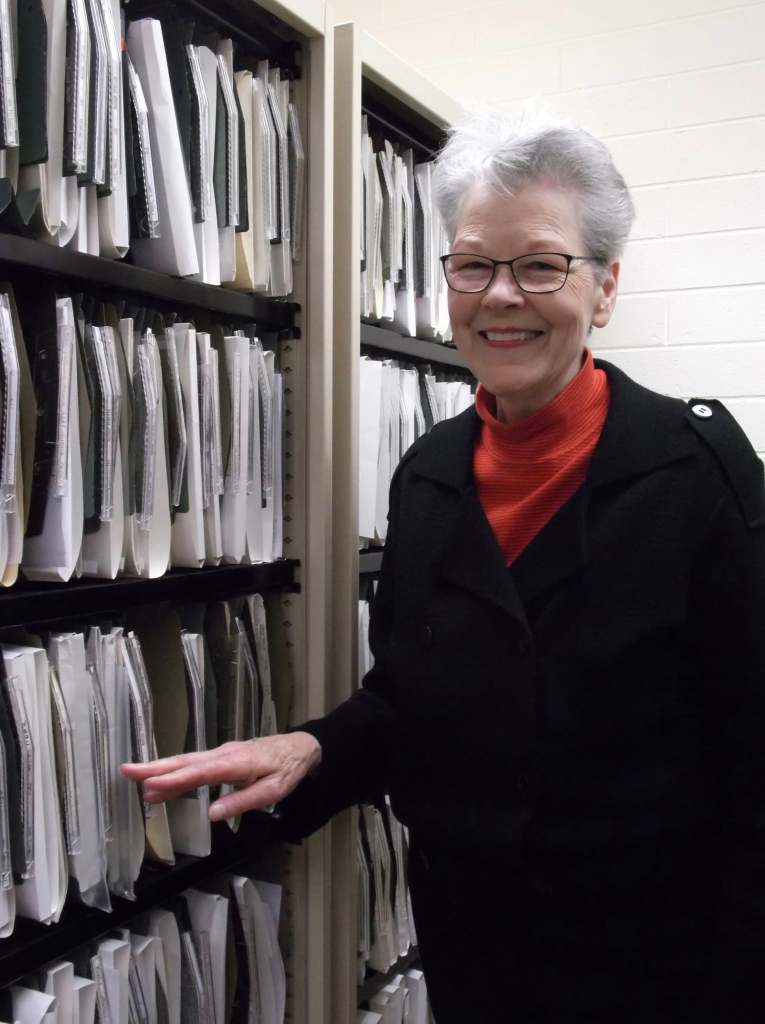
(This interview originally appeared in Magpies magazine, November 2025 – reproduced with permission)
Joy Lawn interviews Dr Belle Alderman AM, Emeritus Professor of Children’s Literature
Director, National Centre for Australian Children’s Literature Inc
University of Canberra
NCACL’s vision is to be the home to Australia’s childhood stories
Australia’s literary past, present and future are preserved in the National Centre, through the stories that touched our hearts and stirred our imaginations as children. It documents and shares the creative process and inspires the next generation of readers with research collections, exhibitions and outreach activities.
The NCACL’s mission is to collect, document and preserve Australian children’s books and literature. It aims to share the collection with all Australians through outreach activities. In order to reach national and international audiences, resources are available online.
The National Centre for Australian Children’s Literature Inc. is an independent not-for-profit body registered with the Australian Government as a tax exempt charity that collects, preserves and shares the works of Australian children’s book writers and illustrators, publishers and related organisations like IBBY Australia. Along with finished books, the National Centre also holds manuscripts, papers, artworks, ephemera, in depth material about creators and correspondence that show the creative process behind many of our nation’s most beloved children’s stories.
Thank you for speaking to Magpies, Belle.
What is your role at the National Centre for Australian Children’s Literature Inc?
My role is to build the collection as a national treasure available to all Australians and the wider world. I guide the direction of the NCACL influenced by those in the sphere of Australian children’s stories. We are designated a tax exempt charity by the Australian Government and report annually to the Australian Charities and Not-for-profit Commission. This enables the Centre to accept cultural gifts from authors and illustrators and also monetary gifts. Such gifts can be claimed by donors as an income tax deduction.
The National Centre for Australian Children’s Literature (NCACL) has recently celebrated 50 years. What is the public perception of the NCACL?
We are seen as a ‘home’ for Australian stories for young people. Authors, illustrators, publishers and organisations donate their works as a record of Australian creations for youth. Our website provides access to all our collections. Internet searches feature NCACL prominently and result in queries from people from around the world.
What do you see as its greatest purpose, achievement and value?
We aim to be a permanent home for Australian children’s stories. Most importantly, we aim to share these treasures with all interested through NCACL exhibitions, loans and outreach activities for all ages. Ultimately, we aim to inspire future creatives!
Why is archiving and documenting Australian children’s books and the creative process so important?
Collecting institutions like ours are important to ensure creative efforts can be showcased, shared and inspire future generations of creatives. In such a place—a home—stories can live on and ensure there are future generations of story makers. There are such institutions. Seven Stories in Newcastle-upon-Tyne and the Eric Carle Museum in Amherst, Massachusetts are just two examples. More than simply collections, these institutions and others around the world collect, create, share and inspire future generations of creatives. There is no such place in Australia.
The NCACL’s physical archives are based at the University of Canberra and are arguably the most wide-ranging and valuable part of the collection. What are some of its most rare or important artefacts?
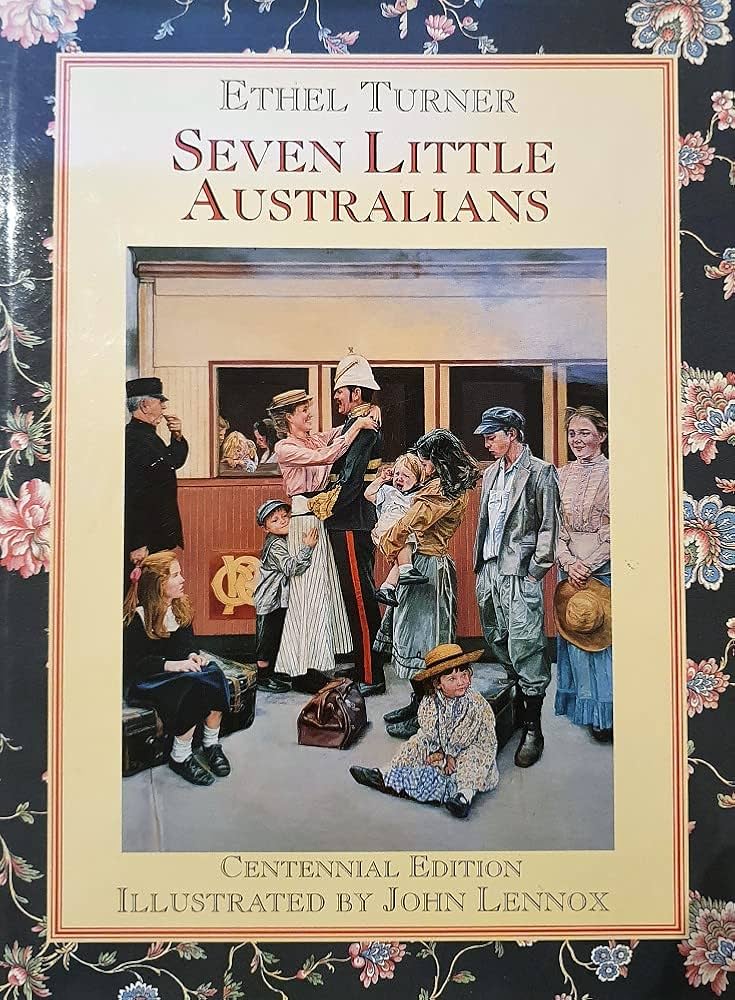
We hold rare books, sometimes the only copy like the 1895 Dutch edition of Seven Little Australians. We also hold the unique Selby the Dog toy ephemera. From the 1970s, we have collected information about authors and illustrators. These 600+ research files document the development of Australian children’s literature. How the literature has changed and developed over time is here for exploration.
What are some standout pieces by early or emerging authors or illustrators?
Bob Graham is a much-loved and translated picture book creator. We hold many preliminary and final artworks for his picture books. These provide detailed insights into his creative process from the 1980s. We also hold artwork gems by Alison Lester and Leigh Hobbs. Then there’s our massive collection of research material (filling a four-drawer filing cabinet) about May Gibbs’ earliest work through mid-2005.
What is a particularly beautiful or surprising piece in the collection?
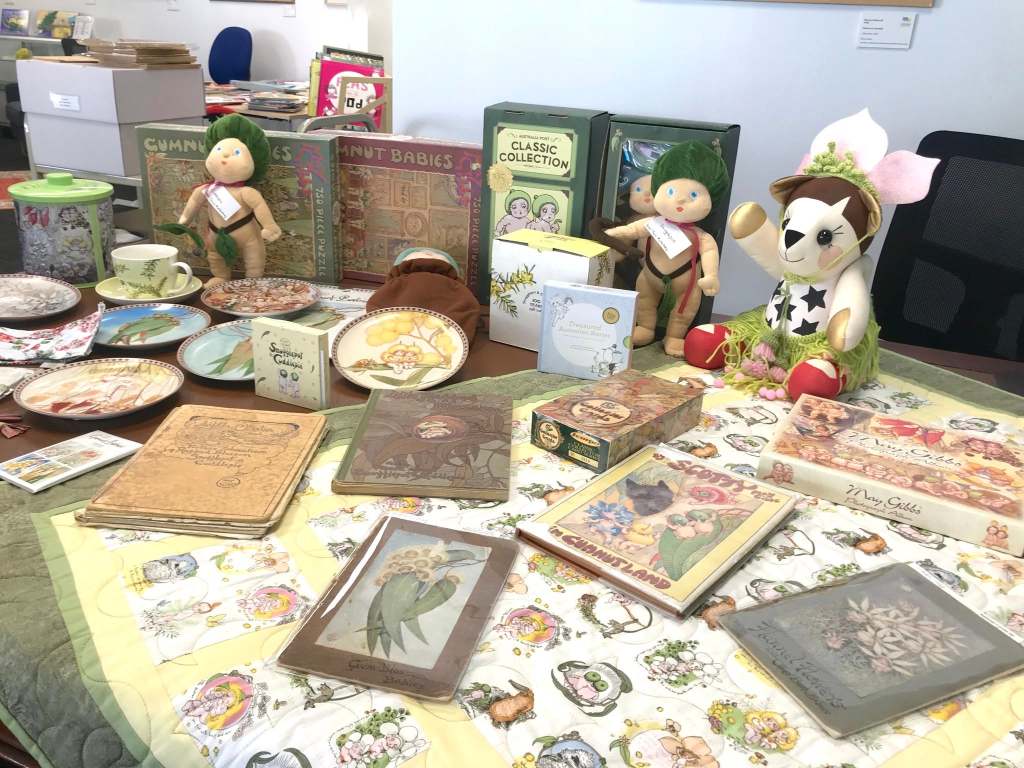
We are the proud home for a 1915 May Gibbs original watercolour preliminary artwork featuring her gumnut babies. Then there’s an amazing tissue paper college created by Patricia Mullins for Crocodile Beat and the stunning jacket cover artwork by Graeme Base for The Eleventh Hour: A Curious Mystery. There are too many to play ‘favourites’, but these three invariably mesmerise visitors.
What are some mind-boggling statistics related to the NCACL or its collections?
We began collecting translations of Australian children’s books in 1979 to celebrate the International Year of the Child. These demonstrate Australia’s children’s stories have universal appeal. Our collection by 30 June this year includes 6,001 Australian children’s books in translation in 115 languages. Knowing what translations exist and acquiring these is a challenge. We persist!
How do you physically store everything?
We store material to archival standards to increase their longevity. This means our string, tape, clips, folders and boxes are all of archival quality. The environment where our collection is stored is environmentally safe. When new material arrives we spend time, if needed, removing stapes, pins, tapes and other damaging material then rehouse items to archival standards. We are fortunate to have a conservation of cultural materials course on campus with staff and students who can advise and work with us.
What is the purpose of providing public digital access through the NCACL’s website? How else do people know about the Centre and its work?
Our website was originally hosted by the University of Canberra. In 2018 we created our own website. This gives us greater scope for developing image galleries, databases and blogs. We can also respond quickly to new ventures.
The four databases are also essential to the core work of the Centre. They are the Cultural Diversity database, books by (and or) about Aboriginal and Torres Strait Islander Peoples, the Australian Verse Novels resource and Picture Books for Older Readers.
What database is coming next?
Good question! We have a few ideas but we are interested to hear from people. What topic(s) would be of interest and value? We are listening! We also have other priorities such as digitisation.
What are some changes that you have seen during your time with the NCACL?
The growth and quality of amazing creations by children’s authors, illustrators and publishers stands out. Another is the growth of organisations supporting developments and gaining new audiences. Here’s just a few: Indigenous Literacy Foundation, Lighthouse, Australian Children’s Laureate Foundation, Australian Children’s Television Foundation, WestWords, Book Links, Story Box Library and the May Gibbs Fellowship. There are over 30 different Australian awards given to works for young people. Changes for us have included, in 1988, our becoming a deductible gift recipient and a tax-exempt charity eligible through the Australian government to receive donations of cultural gifts. Since them we have accepted over 70 such donations. We created our own website in 2018 and continue to reach out to the world 24/7. Another essential development was joining social media in 2014. Our Facebook and X social media together have over 10K followers. In 2023 we launched monthly blogs profiling unique aspects about our Centre’s collections and activities. We are big on communicating via our e-newsletters, e-annual reports, e-journal and blogs.
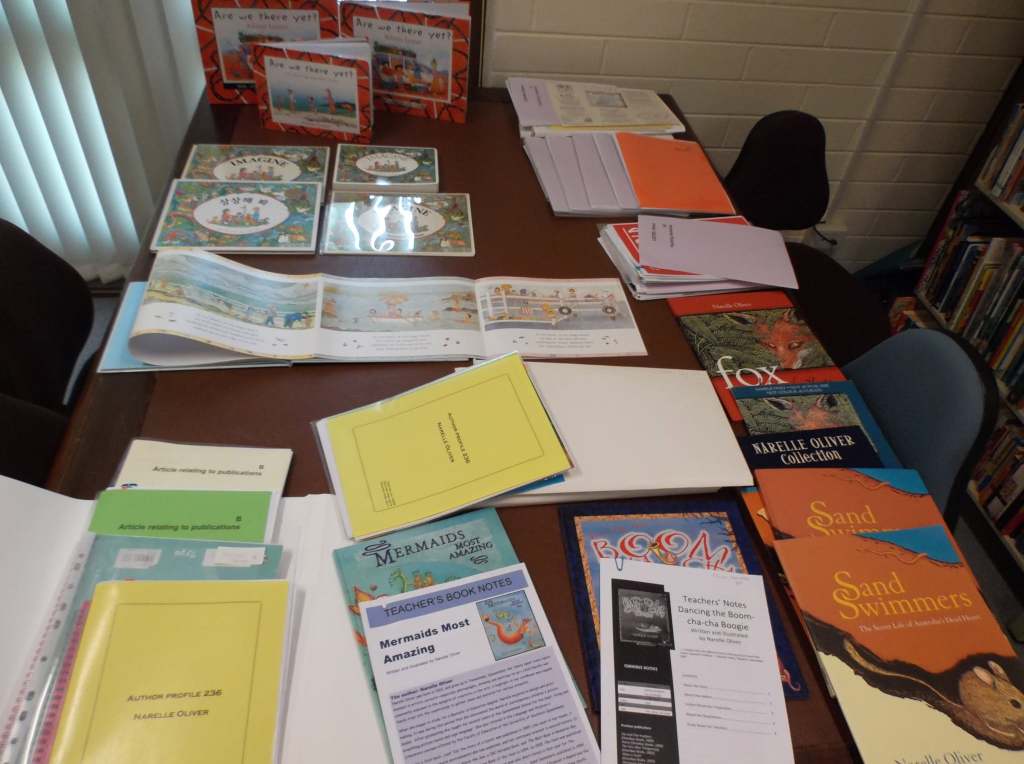
How is the NCACL funded and how are its highly qualified volunteers supported?
We are not funded by the Australian government, but we should be! We have run many campaigns to fund specific projects such as digitising our photographs and rehousing our artworks. Over June this year, we ran a campaign to raise funds to support the Centre. Our 38 volunteers (each has particular interests and works with our Centre volunteers) are scattered across Australia. A third of our volunteers work in the Centre, each with particular interests and skills.
Tell us about its collaborative, professional partnerships, for example with the CBCA or other groups, and how you support each other?
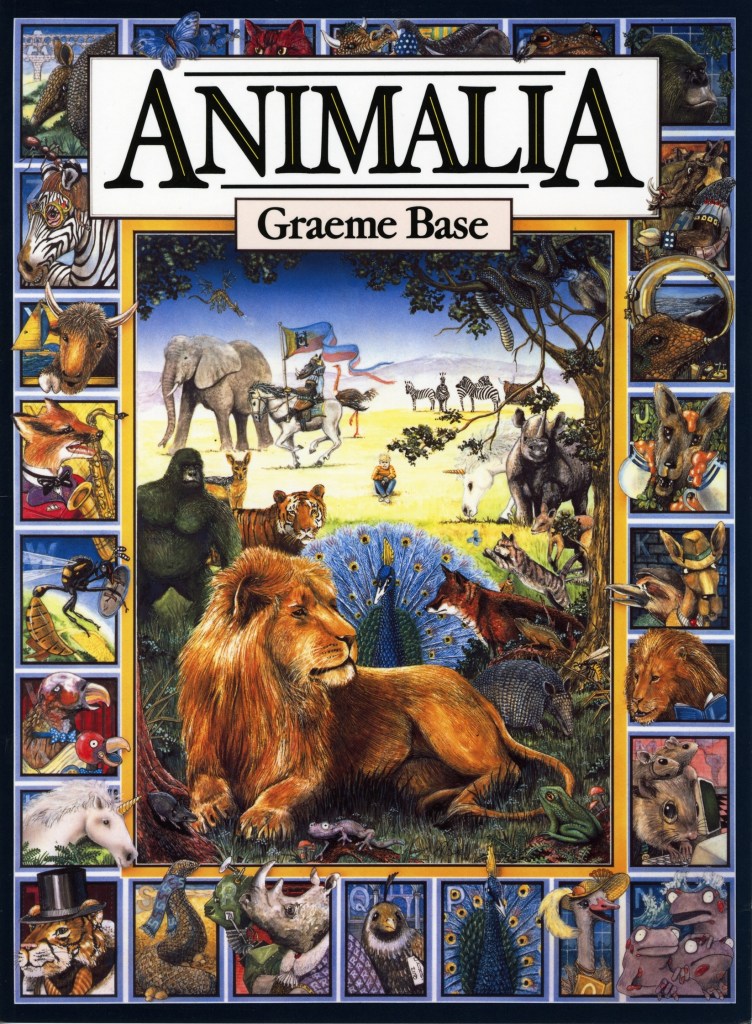
We collaborate with related organisations to share resources and activities. Some examples? We document, hold and have exhibited the CBCA artwork created for their annual awards. We hold the papers of the Australian section of the International Board on Books for Young People (IBBY), the publishers’ papers of Omnibus Books and Working Title Press. We have collaborated with related professional organisations. For example, The Australian Children’s Television Foundation created a television series based on Leonie Norrington’s Barrumbi kids novels. We created a related resource using artwork by Dee Huxley which we hold for Norrington’s picture books. We loan our artwork to galleries across Australia. We have collaborated on several exhibitions with the National Library of Australia, State Library of NSW, and Canberra galleries such as the Belconnen Arts Centre (Graeme Base exhibition) and the Canberra Museum and Gallery (Bob Graham’s body of work).
How does The NCACL need to change and grow?
We need a physical home, recurring funding and paid staff with particular skills and knowledge. Please note that we do greatly appreciate our volunteers. Our goals now are to:
- grow, enhance and share our collections more widely
- design and deliver programs
- generate income to survive and thrive
- acquire philanthropic support
- publicise our collections, and
- continue collaborations with related organisations.
We do aim for a home. We could then more easily share the riches of Australian stories for young people. We would pursue a collective of related organisations, share ideas and resources. What a bonanza for Australia and the world!
Who is working on this, what is proposed and what timeframe is mooted?
We are governed by a Board that is conscious of these needs. Visitors to the Centre invariably leave us with a list of often exhilarating ideas. We have an external advisory group who are conjuring up amazing ideas. We are currently talking with the University of Canberra to consider what we might do together, reach further and travel in new directions.
What help is needed? What do you need from groups and individuals in our children’s book community?
We are likely to take a new direction, but that’s still being formulated. We will let everyone know anon our forward plans via our Facebook page and newsletter. We may be asking for your help.
What do you see as the legacy of the NCACL?
We are collecting and documenting the development of Australian stories for young people. We are supporting and promoting future creatives, the publishing industry, booksellers and all those involved in Australian children’s literature. At this point in time our collections are growing through generous donations. Our collection is documented and easily identified through our website—not just books in English and 115 other languages, but also artworks, manuscripts, ephemera and emerging formats that capture the world of Australian literature for youth. Knowing where, how, and in what shape stories have emerged and where stories might go and in what form in the future is of great interest to us, and we think, you too.
“We hunt down every Australian book created for young people, in every edition and reprint.” (Dr Belle Alderman in Incite, Volume 45 | Issue 2, 2024)
The NCACL supports all aspects of Australian children’s literature and its community, including blogs.
NCACL & Joy in Books
Joy in Books by Joy Lawn: some of my personal experience with the NCACL
This piece was commissioned by the distinguished Belle Alderman at the National Centre for Australian Children’s Literature (NCACL – the renowned resource institution about our children’s literature, authors, illustrators and more for their monthly blog.
I feel truly humbled to be profiled in this way. I’ve always tried to make what I do all about the books and their creators, rather than myself, and hopefully this blog post reflects my aim.
This piece appears originally and still at https://www.ncacl.org.au/blog/joy-in-books/ (reproduced now at PaperbarkWords blog with permission)
It is definitely worth exploring the NCACL website (or in person in Canberra) and their blog pages – here’s the link to the entry page to their monthly blog posts https://www.ncacl.org.au/blog/blogspace/
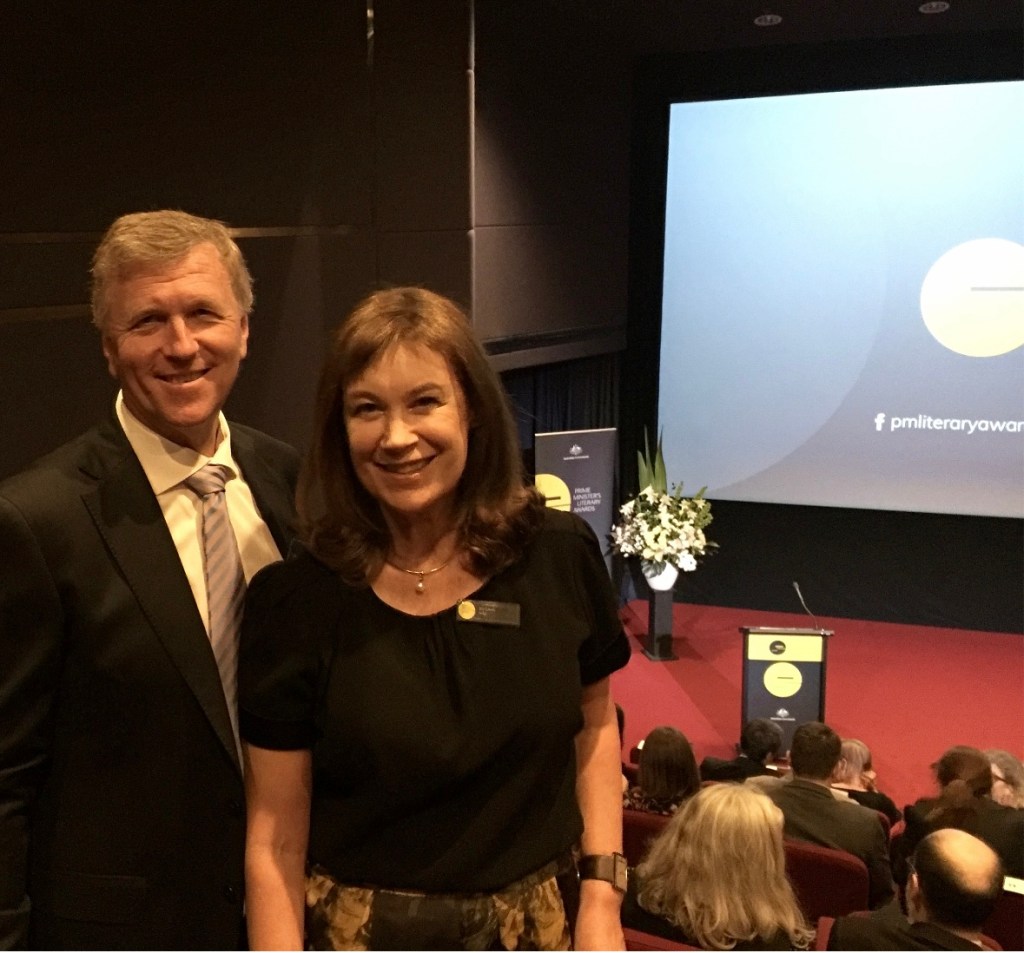
So you know something of who ‘Joy in Books’ is and what I do, and in case it may help someone else in the field …
During the thirty years that I’ve been an advocate for Australian children’s literature I’ve concluded my bio with the words,
“I am fascinated by ideas and images and how authors and illustrators express these with truth and originality.”
This reflects my approach to discovering and sharing literature. I’m always on the look-out for high-quality, fresh (possibly with a surreal or lateral tilt) works with a truthful spirit.
This has led me to seek out the best of the new and to help keep alive the best of the old.
I’ve always actively supported the work of Aboriginal and Torres Strait Islanders, often through Magabala Books, the flagship of Aboriginal publishing.
In my role as a consultant for independent bookstores in Sydney and Brisbane (and since then as a freelancer) I believe that I’ve been at the vanguard of promoting Asian-Australian book creators – as well as graphic novels and verse novels for young people – through my state, national and international presentations and elsewhere. Notwithstanding my eclectic tastes, I’m drawn to books about refugees and displaced children, as well as those that feature music and the visual arts.
I believe it’s essential to recognise and respect the legacy of our shining lights of Australian children’s literature, and have accordingly instigated interviews with Christobel Mattingley, Narelle Oliver, Jane Tanner, Patricia Mullins and others in Magpies magazine.
In my Magpies editorials, I try to galvanise the power of our positive, encouraging children’s literature community, not least through recognition of the NCACL, IBBY and the CBCA. I’ve been on CBCA state committees, judged their awards and always promote their shortlisted books.
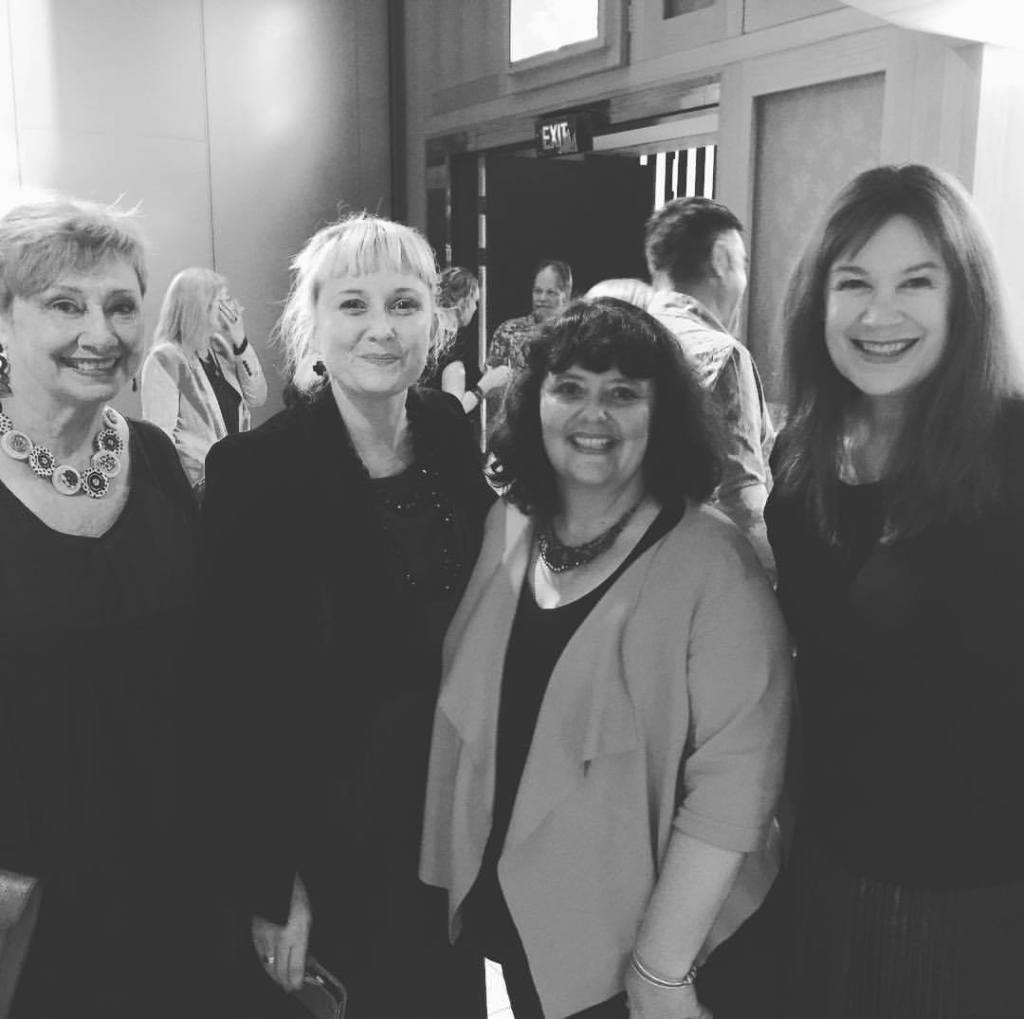
I write as Joy in Books on my blog, Paperbark Words. My reviews take so long to write I have also branched into interviews with authors and illustrators and guest author-posts to enable more voices to be heard. I give space to emerging authors as well as established creators and have interviewed Australian legends Paul Jennings, Jaclyn Moriarty, Matt Ottley, Shaun Tan, Karen Foxlee, Jackie French and Graeme Base here. I also review and interview international creators including Kate DiCamillo, David Almond, Marissa Meyer, Jennifer Niven and A.F. Harrold.
I want everyone to realise that Australian literature for young people is equal to the best in the world.
In my quest to promote great Australian YA, I reviewed it for the Australian newspaper regularly for over ten years – usually selecting the books under review (and still conduct occasional interviews with incoming Australian Children’s Laureates and most recently, with legend Pamela Allen). Space for book reviews in mainstream print media is diminishing but fortunately I still have a niche there through my other lifetime love – Australian literary fiction. Emphasising my status as a reviewer and judge of literary fiction (I’m currently chairing the Adult Fiction panel in the Queensland Literary Awards) helps give credence to my work in the often-under-valued children’s literature sector.
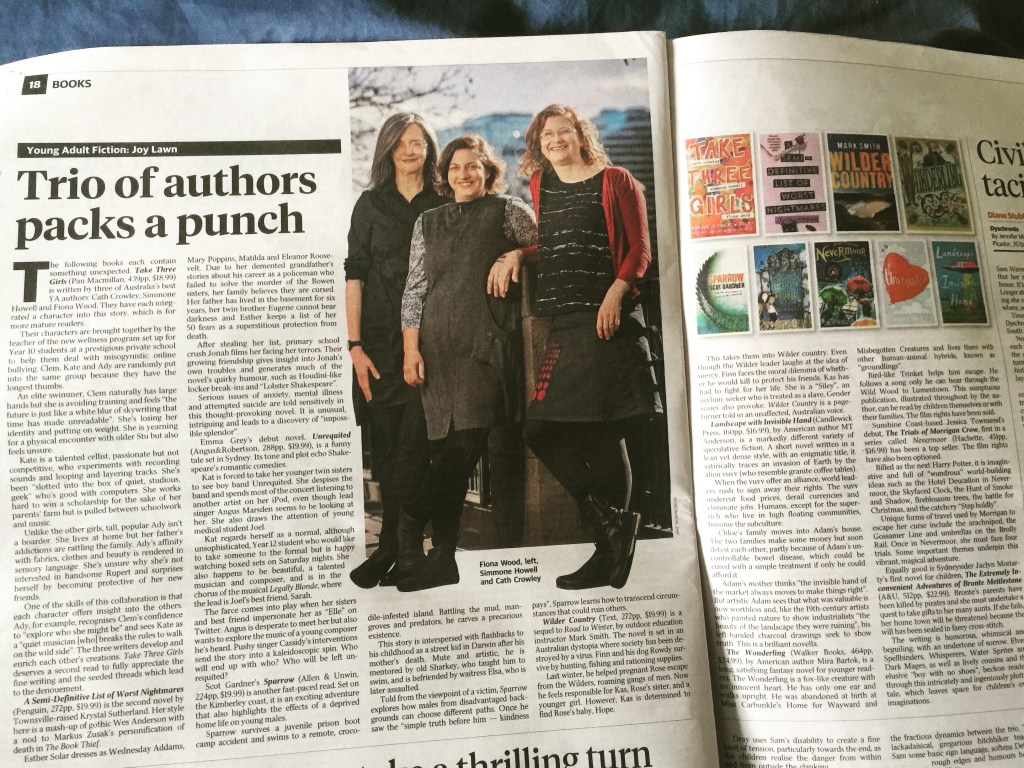
A great children’s book is as good as a great book for adults.
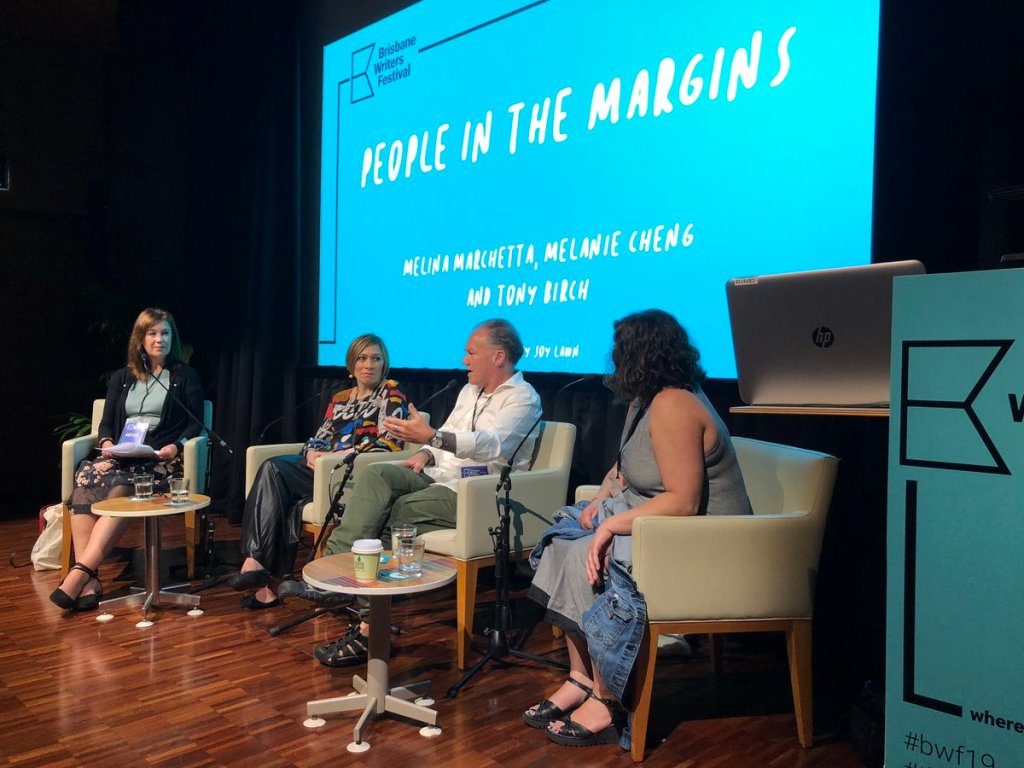
Over many years I’ve synergised these two literary spheres by interviewing authors of both children’s and adult literature at Sydney, Brisbane and other writers’ festivals. I’ve been privileged to interview Nobel-prize winning and Booker Prize shortlisted authors, Newbery Medallist Linda Sue Park, John Boyne, Tony Birch, Melissa Marchetta, Jessica Au, Abdulrazak Gurnah, Michael Morpurgo, Andy Griffiths and many more.
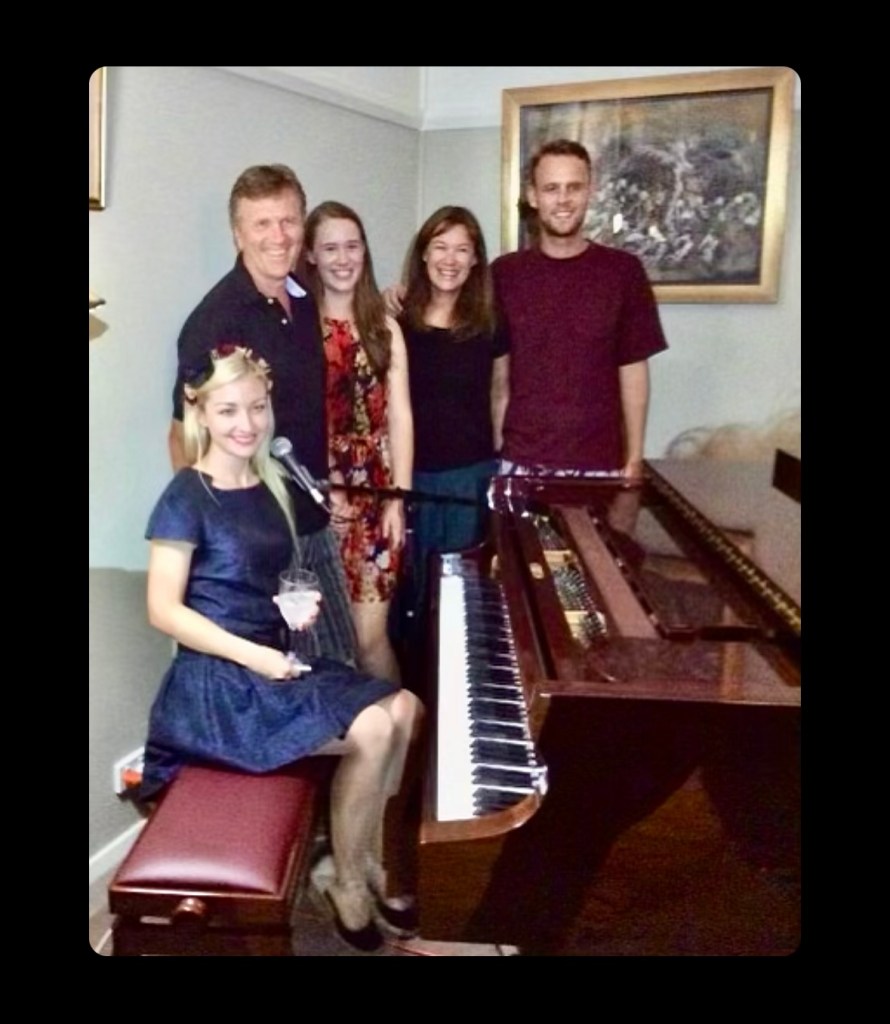
To showcase our commitment to the arts my husband, Craig, and I host ‘Be Inspired’ soirees in our home with speakers from different fields. Amongst others, Shaun Tan, Matt Ottley, David Malouf, Jack Manning Bancroft, Kate Miller-Heidke and the poet Les Murray have inspired us.
I have received exciting opportunities (often unpaid) from the Australian book industry – through independent bookstores, publishers, professional and not-for-profit literature organisations, newspapers and journals, state and national awards convenors and the directors of literacy conferences and writers’ festivals. My life has been enriched, I have made wonderful friends and am truly grateful. I feel honoured and always enthused to help nurture, enliven and deepen the Australian children’s book industry.
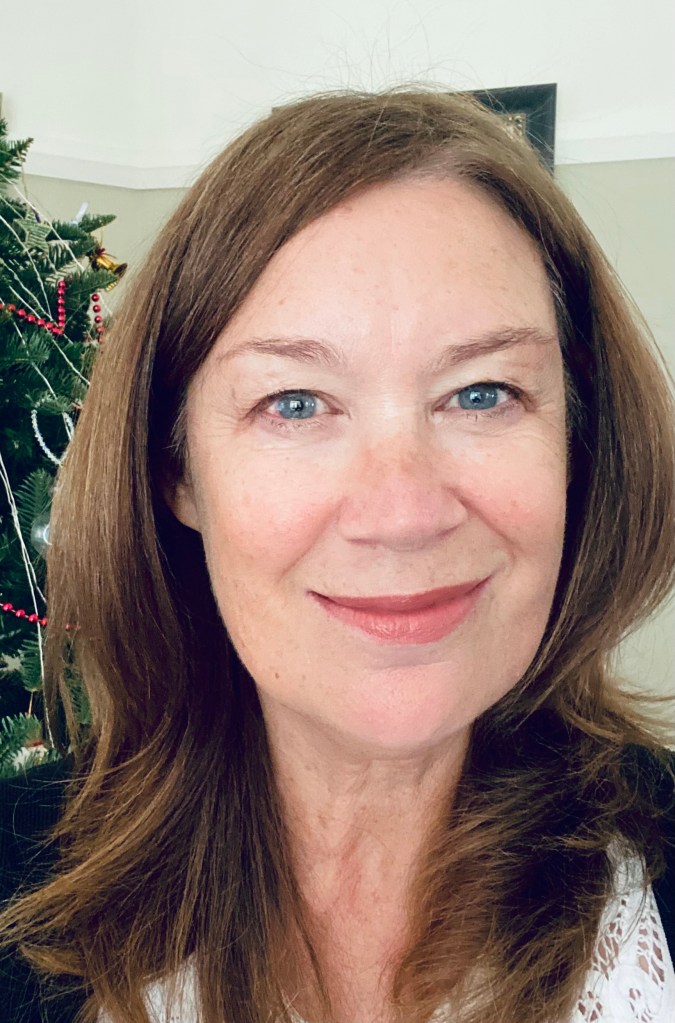
Comment from the NCACL
Just as the NCACL aims to collect, preserve and share Australian children’s literature, freelance writer and book reviewer Joy Lawn also endeavours to advocate for and promote Australian children’s literature – though her blog, interviews and book reviews. Works by the Australian authors and illustrators mentioned in this article have been collected, documented and preserved by the NCACL. Many of these works are also featured in NCACL’s free databases, which promote over 1000 Australian books for young people.
Joy’s work in promoting current and upcoming children’s literature creators enriches and extends upon the valuable work the NCACL does in ensuring there are Australian children’s literature records available for teachers, researchers, and all those interested in Australian children’s literature – now, and for future generations.
Here, in her blog post for the NCACL, Joy shares some of the many ways she has supported and championed Australian literature for young people.
Originally posted by: NCACL | Published: 31 Oct 2023
NCACL in Magpies 40 Years of Children’s Literature feature article


